The Rise of Telehealth: How Virtual Care is Transforming Healthcare
by Kedar Mallick · 1 November 2024

In the past few years, healthcare has changed a lot, mostly because of new technology and what patients need. One big change is the increase in telehealth and virtual care, which makes getting healthcare easier than ever. No longer do you have to deal with traffic and crowded waiting rooms to see a doctor. Now, patients can talk to healthcare providers from their own homes, thanks to many online mental health resources and digital wellness programs.
When we talk about this, it’s important to understand that telehealth is not just a temporary change, but a big shift in how we think about healthcare. It helps people in rural areas get care remotely and offers online therapy for mental health issues, making it easier for everyone to get the care they need.
Additionally, the COVID-19 pandemic sped up this shift, showing the importance of secure and efficient options to replace usual face-to-face appointments. Because of this, many individuals have started using teletherapy and other online services, experiencing their advantages directly.
In this article, we’ll discuss different parts of telehealth and virtual care, such as their benefits, difficulties, and future possibilities. We’ll also examine how these advancements are changing our view of health and wellness in a more digital world. So, if you’re interested in the benefits of telemedicine or searching for trustworthy digital health options, you’ve come to the right place!
Understanding Telehealth and Virtual Care
Telehealth and virtual care are phrases that are being used more and more when talking about modern healthcare. But what do they really mean? At its heart, telehealth means using digital tools and communication to get healthcare services from a distance. This can involve things like video calls with doctors or apps that help with mental health.
Virtual care includes a wider variety of services, such as online therapy, remote healthcare, and even virtual fitness classes. These new ways of providing care let patients get help without needing to visit a doctor’s office, which is especially helpful for people in rural or less served areas. For example, the ability to use telehealth has been a big improvement for those who had trouble getting good healthcare because of where they live.
Statistics show how big this change has been. Recent research says that telehealth visits increased by more than 50% during the COVID-19 pandemic, as people looked for safer ways to see doctors instead of going to their offices. This trend has kept going, with many healthcare providers now using a mix of traditional and virtual visits.
Telehealth offers many different services. Patients can talk to doctors for regular check-ups, specialists for long-term health issues, or mental health experts for therapy—all from their own homes. Also, digital wellness programs have started, which focus on keeping people healthy and managing their lifestyles through online tools. These programs usually include guided exercises, advice on eating well, and mental health support to help improve overall health.
Additionally, incorporating technology into healthcare isn’t just about making things easier; it also boosts patient involvement. Using tools such as patient portals and mobile apps, people can take an active role in managing their health by monitoring symptoms, booking appointments, and getting access to educational materials.
As we further examine the growth of telehealth and virtual care, it’s crucial to understand their effects on patient results and the overall healthcare system. The option to consult with healthcare providers from a distance isn’t just a short-term fix; it marks a significant move towards a more accessible and patient-focused healthcare approach.
Benefits of Telehealth

The growth of telehealth has started a new time in healthcare, giving many benefits to both patients and doctors. When we look at these benefits, it’s clear that telehealth is more than just a handy choice; it’s a big change that makes healthcare better overall.
Convenience and Accessibility
One of the biggest advantages of telehealth is how easy it is to use. Patients can get medical help from their own homes, which saves time and avoids the hassle of traveling. This is especially helpful for people with mobility problems, those living in remote areas, or anyone with a busy life. With just a few clicks, patients can talk to doctors online, have therapy sessions, or even join fitness classes.
Also, telehealth makes it easier for more people to get the care they need. For example, people who might have had trouble getting mental health services before—like those who feel embarrassed or don’t have nearby providers—can now find help through online mental health resources and teletherapy. This wider access helps to fill in gaps in care and makes sure more people can focus on their health and well-being.
Cost-Effectiveness
Telehealth offers a more affordable option for both patients and healthcare systems. By cutting down on the need for physical offices and lowering other expenses, healthcare providers can charge less for their services. Patients save money on travel and time away from work, making healthcare more accessible.
Also, many insurance plans now cover telehealth services, which lowers the amount patients have to pay out of their own pockets. This change in accepting virtual visits as a normal part of healthcare shows that people are realizing the benefits of telehealth in providing good care.
Increased Patient Engagement
Another important benefit of telehealth is its ability to increase patient involvement. Using tools such as patient portals and mobile apps, people have more control over managing their health. They can easily schedule appointments, check test results, and talk to their doctors—all from their devices.
This kind of involvement is especially helpful for managing long-term health issues. For instance, people with diabetes can use digital tools to monitor their blood sugar and get immediate advice from their healthcare team. This active approach not only gives patients more power but also improves their health results.
Enhanced Mental Health Support
The significance of mental health is immense, especially in our busy modern world. Telehealth has made it simpler than ever for people to get help through online therapy services. The privacy and ease of virtual therapy can lower the obstacles to getting treatment, enabling more individuals to access important mental health support.
Studies indicate that online therapy can be as effective as in-person sessions for many people. This is especially important during emergencies when quick support is essential. With teletherapy, people can reach licensed therapists from anywhere, ensuring they get the help they need when it matters most.
Challenges Facing Telehealth
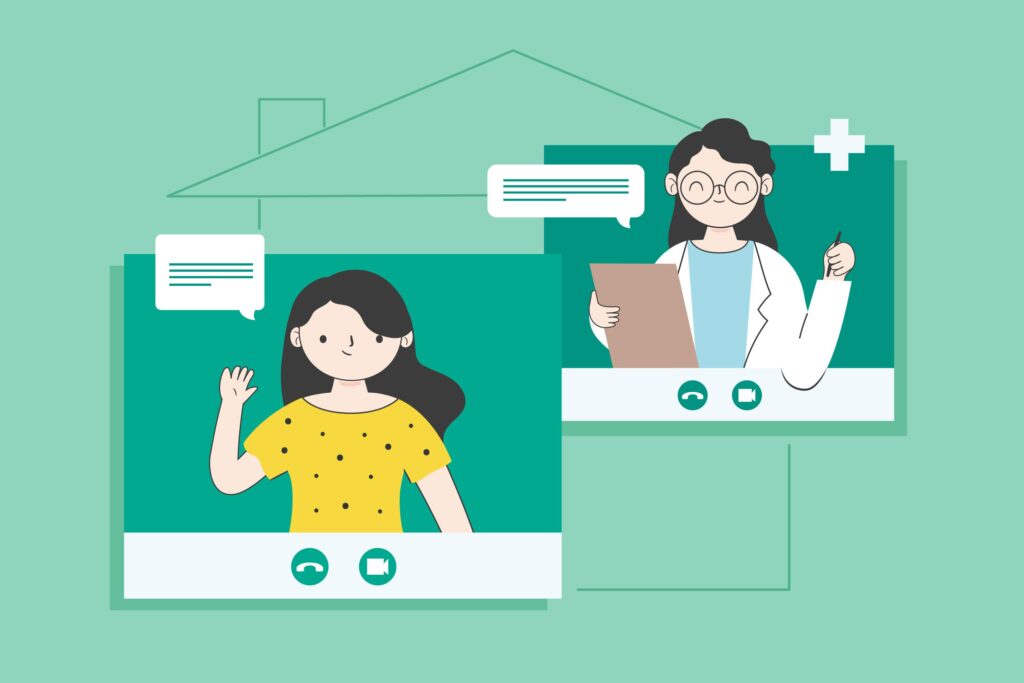
Telehealth has many advantages, but it also has some problems. As we move forward in this changing field, it’s important to deal with the issues that can make virtual care less effective and harder to access. Knowing these challenges will help us create better and more accessible telehealth options.
Technology Barriers
A big problem with telehealth is getting the right technology. Not everyone has good internet or the right devices for online doctor visits. This gap in technology can especially hurt people with low incomes and those in the countryside, where fast internet might be hard to find. Because of this, many people might not get important healthcare services they need.
Also, even when the technology is there, some people might not know how to use it for telehealth. This can make them feel frustrated and not want to try online care. To fix this, healthcare providers need to use easy-to-use technology and give help to make patients feel comfortable with telehealth tools.
Regulatory and Compliance Issues
Regulatory issues also create major challenges for telehealth. Different states have different rules about telehealth, including requirements for doctors and how services are paid for. This mix of rules can make it hard to provide care across state borders, making it difficult for patients to access services from doctors in other states.
Also, protecting patient information is very important in the digital world. It’s essential that telehealth platforms follow rules like HIPAA to keep patient trust. Healthcare providers need to focus on keeping data safe while giving care through virtual visits.
Quality of Care Concerns
Another issue is the belief that telehealth might not offer the same level of care as face-to-face visits. Some patients worry that they can’t get thorough evaluations or treatments through online consultations. Although many studies show that telehealth can be just as good for various health issues, it’s important to address these worries to make telehealth more widely accepted.
Healthcare providers need to build trust in virtual care by showing its effectiveness with data and patient stories. Also, offering a mix of in-person and telehealth options can help ease concerns about quality and give patients more flexibility.
Limited Scope of Services
Not all medical services can be done through telehealth. Some health issues need direct physical checks or treatments that can’t be done online. So, people might still need to go to medical centers for certain treatments or tests. This can make it unclear when to use online care and when to go in person.
To handle this, it’s important for doctors to explain things clearly. Patients should know which services they can get online and when they need to visit a doctor in person.
The Role of Online Therapy in Mental Health
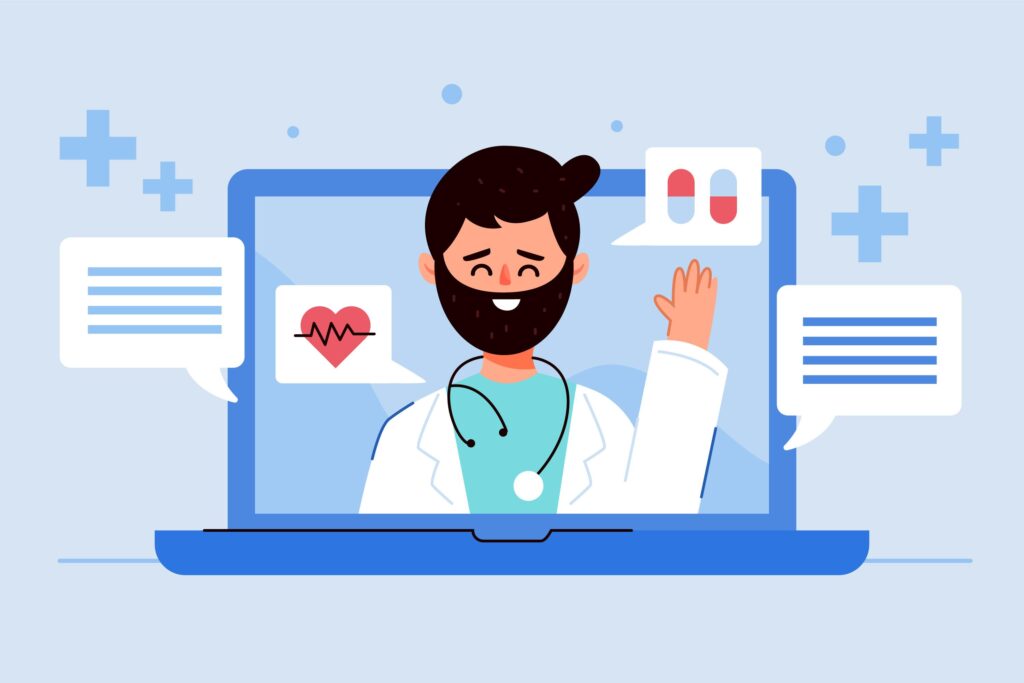
As awareness about mental health keeps increasing, the need for support that everyone can easily get has become more obvious than ever. Online therapy, sometimes called teletherapy, has become a very important tool for people who want help with their mental health. This new way of doing things lets people talk to licensed therapists through online services, making mental health support easier to reach than it used to be.
Accessibility and Convenience
One of the biggest benefits of online therapy is how easy it is to use. People can have therapy sessions from their own homes, which means they don’t have to worry about traveling or fitting it into a busy schedule. This is really helpful for people who have busy lives, those who take care of others, or those who live far away from mental health services.
Also, online therapy lets people stay anonymous, which can make it less embarrassing to ask for help. Many people feel more at ease talking about their mental health issues when they can do it in a private place. This comfort can lead to more honest and open conversations with therapists, making the therapy experience better.
Effectiveness of Teletherapy
Studies show that online therapy can be as helpful as traditional in-person sessions for many people. A study in the journal Psychological Bulletin found that teletherapy works just as well as in-person therapy for different mental health issues, like anxiety and depression. Online platforms give therapists the freedom to use many types of therapy, such as cognitive-behavioral therapy (CBT) and mindfulness practices.
Also, many digital health tools now provide extra resources like self-help guides, guided meditations, and educational materials that go along with therapy sessions. These resources help people actively work on their mental health, strengthening the skills they learn during therapy.
Addressing Mental Health Crises
Online therapy has been very helpful during difficult times. The COVID-19 pandemic showed how important it is for people to have easy access to mental health care, especially when many were dealing with more stress and worry. Teletherapy was a big help for those who needed support right away, letting them talk to experts who could guide them through their problems.
As we go on, it’s important to keep encouraging the use of online mental health services and teletherapy. By making people aware of these options, we can make sure they know where to get help when they need it.
The Future of Telehealth Services
Looking forward, telehealth services seem to have a bright future, thanks to continuous technological improvements and an increasing understanding of the value of easily available healthcare. The use of new tools and methods is expected to change how patients communicate with healthcare providers, making care more tailored and effective.
Emerging Technologies
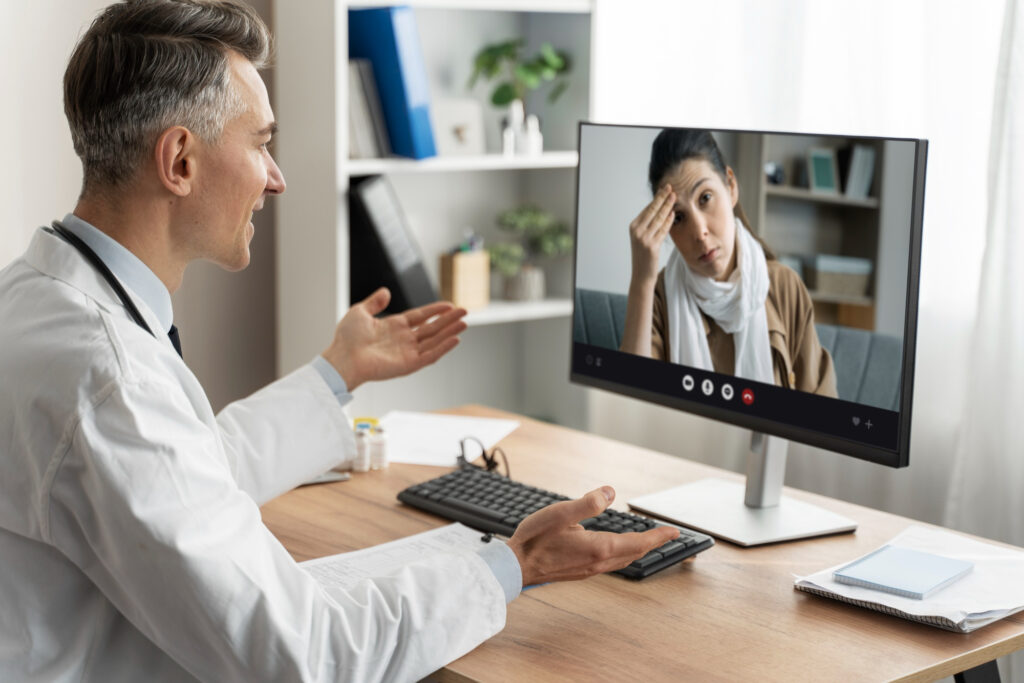
One of the most thrilling advancements in telehealth is the use of artificial intelligence (AI) and machine learning. These technologies can improve patient care by offering personalized advice based on individual health information. For instance, AI can analyze a patient’s data to recommend specific treatment plans or spot potential health problems before they get serious. This forward-thinking approach not only enhances results but also helps patients manage their health better.
Wearable devices are another promising area in telehealth. From fitness bands to smartwatches, these gadgets can track important health indicators in real-time. This data can be shared with doctors, enabling constant monitoring and quick responses. As more people use wearable tech, integrating this data into telehealth systems will give a more complete picture of a patient’s health.
Expanding Access to Care
The future of telehealth includes making it available to people who don’t have easy access to healthcare. Efforts to make telehealth more accessible are important so that everyone can use these services. For example, mobile health clinics with telehealth technology can go to remote areas and provide necessary care where it’s most needed.
Also, as more people understand the importance of mental health, we can expect more online mental health resources and digital wellness programs. These resources will offer immediate help and also support long-term mental well-being through prevention and education.
Hybrid Care Models
Another trend that will likely influence the future of telehealth is the use of hybrid care models, which mix in-person visits with online consultations. This method lets patients get complete care that fits their specific needs. For instance, a patient might start with an online consultation and then go to a provider for hands-on treatment if needed. This flexibility helps patients get the best care possible while making it easier for them to access services.
The outlook for telehealth services is promising, marked by advancements in technology, increased accessibility, and a strong emphasis on patient-focused care. As we move forward with these changes, it’s important to understand the impact of telemedicine, teletherapy, and other virtual care methods on reshaping how healthcare is provided. By leveraging technology, we can build a more comprehensive and efficient healthcare system that serves everyone’s needs.
The growth of telehealth and virtual care represents a major change in the healthcare field, providing new ways to make healthcare more accessible and improve patient results. Throughout this article, we’ve seen how telehealth—with its advantages like convenience, cost savings, and better patient involvement—is changing how people manage their health and well-being.
Online mental health services and digital wellness programs have become crucial resources for many, offering quick support and advice in a world where mental health is more important than ever. The option to use teletherapy and online therapy services has helped many people get the help they need without the usual obstacles of in-person visits.
But, it’s important to recognize the difficulties that come with this change. Problems like getting access to technology, dealing with rules and regulations, and worries about the quality of care need to be solved. By dealing with these issues, we can make a healthcare system that works for everyone, no matter their situation.
Looking forward, telehealth has a promising future. With new technologies—like AI and wearable gadgets—and more focus on combining in-person and online care, we can expect telehealth to become a bigger part of our everyday lives. This change will not only improve how we get healthcare but also encourage people to take better care of their health.
To sum up, making telehealth a key part of today’s healthcare is very important. As more people use telehealth services and digital health tools, it’s our duty to make sure everyone can get good, high-quality care that fits the needs of our different communities. The path to a better, more connected, and fair healthcare system is just starting, and by working together, we can help create its future.
FAQ
Online mental health resources encompass a variety of digital tools and platforms designed to support individuals seeking mental health care. These resources can include websites offering educational content, apps for mindfulness and stress management, and online therapy platforms that connect users with licensed therapists for virtual sessions. They provide accessible support for those facing mental health challenges, making it easier to find help when needed.
Digital wellness programs utilize technology to promote mental and physical well-being. These programs often include mobile applications that offer guided exercises, meditation sessions, nutritional advice, and tracking tools to monitor personal progress. By engaging users through interactive features and personalized content, these programs empower individuals to take charge of their health and develop healthier habits.
Teletherapy refers to the delivery of therapy services through digital platforms, allowing individuals to connect with licensed therapists via video calls, phone calls, or messaging. This approach provides flexibility and convenience, enabling patients to receive support from the comfort of their homes. Teletherapy has been shown to be effective for various mental health conditions, making it a valuable option for those seeking help.
The advantages of telehealth include increased accessibility to healthcare services, convenience for patients, cost savings associated with reduced travel expenses, and improved patient engagement through user-friendly technology. Telehealth also allows for timely interventions and ongoing support, particularly for individuals managing chronic conditions or seeking mental health care.
You can access remote healthcare services by visiting telehealth websites or downloading apps that connect you with healthcare providers offering virtual consultations. Many providers now offer a range of services online, including general medical consultations, specialist appointments, and mental health support through teletherapy.
Many insurance plans now cover telehealth services, recognizing their importance in providing accessible care. Coverage may vary depending on the provider and the specific services offered. It’s essential to check with your insurance company to understand what telehealth options are covered under your plan.
While teletherapy has proven effective for many individuals, it may not be suitable for everyone or every situation. Some patients may benefit from in-person therapy for more complex issues or when hands-on assessments are necessary. However, teletherapy offers a valuable alternative that can enhance access to care and provide timely support when needed.
During a telehealth appointment, you can expect a similar experience to an in-person visit. After logging onto the platform or app used by your provider, you will have a private consultation where you can discuss your health concerns. Be prepared to share relevant medical history and any specific questions you may have about your treatment options.