How Nutrigenomics & Micronutrient Testing Are Revolutionizing Health
by Kedar Mallick · 9 September 2024

You’re about to embark on a journey into the fascinating world of nutrigenomics, a field that’s changing the way we think about nutrition and health. This cutting-edge science explores the complex relationship between your genes, diet, and overall well-being. By understanding how your body responds to different nutrients at a molecular level, nutrigenomics offers a path to personalized nutrition that can help optimize your health and prevent chronic diseases.
In this article, you’ll discover the science behind micronutrient testing and how it’s revolutionizing our approach to health. We’ll explore the benefits of personalized nutrition, its impact on managing chronic diseases, and how it’s being integrated into clinical practice. You’ll also learn about the role of your gut microbiome in nutrigenomics and the challenges this field faces. Get ready to dive into a world where your genetic makeup and dietary intake come together to create a tailored plan for your optimal health.
What is Nutrigenomics?
Nutrigenomics is a cutting-edge field that explores the intricate relationship between your genes, diet, and overall health. It’s defined as the study of how food affects your genes and how your genes affect the way your body responds to food. This innovative science uses molecular tools to investigate and understand the various responses obtained through specific diets among individuals or population groups.
At its core, nutrigenomics corresponds to the use of biochemistry, physiology, nutrition, genomics, proteomics, metabolomics, transcriptomics, and epigenomics to seek and explain the existing reciprocal interactions between genes and nutrients at a molecular level . This comprehensive approach allows for a deeper understanding of how your body processes and responds to different nutrients.
Key Concepts
To grasp the essence of nutrigenomics, you need to understand its key concepts:
- Gene-nutrient interactions: Nutrigenomics seeks to elucidate how components of a particular diet (bioactive compounds) may affect the expression of genes, which may have increased potential or can be suppressed. This interaction forms the basis for personalized nutrition strategies.
- Omics technologies: The field relies heavily on advanced technologies that allow processing of large amounts of data relating to gene variants. These include genomic, proteomic, metabolomic, and transcriptomic approaches, enabling the identification and measurement of many different types of molecules simultaneously .
- Epigenetic interactions: Nutrients can modify the structure of DNA through processes like DNA methylation and chromatin remodelling, affecting gene expression without changing the underlying genetic code.
- Genetic variations: Single nucleotide polymorphisms (SNPs) contribute to the variations between humans in their response to diet. Understanding these variations is crucial for developing personalized nutrition approaches.
- Metabolic phenotype: The combination of nutrient-gene mechanisms defines an individual’s metabolic phenotype—measurable physical and biochemical characteristics, including nutrient status and requirements.

Importance in Healthcare
Nutrigenomics has a significant impact on healthcare, offering new possibilities for prevention, treatment, and management of various health conditions:
- Personalized nutrition: By understanding your unique genetic makeup and how it interacts with different nutrients, nutrigenomics paves the way for truly personalized nutrition approaches tailored to your individual needs.
- Chronic disease management: Nutrigenomics has the potential to play a crucial role in the prevention, mitigation, or cure of certain chronic diseases. It provides insights into how dietary choices can influence the risk and progression of conditions such as obesity, metabolic syndromes, type 2 diabetes, cardiovascular diseases, and some types of cancers.
- Optimizing health outcomes: The knowledge gained from nutrigenomics helps in working out personalized nutrition strategies for both prevention and management of various health conditions. This approach aims to optimize your health by aligning your diet with your genetic predispositions.
- Advancing nutritional science: Nutrigenomics is pushing the boundaries of nutritional research, helping to identify the optimal intake of individual nutrients for maintaining human cells in a ‘genomically stable’ way.
- Informing public health strategies: As the field progresses, it could help develop more sustainable approaches to encouraging dietary change at a population level, potentially addressing the increasing global burden of nutrition-related noncommunicable diseases.
By delving into the complex interplay between your genes and diet, nutrigenomics offers a new lens through which to view nutrition and health. It’s opening doors to more precise, personalized approaches to diet and lifestyle interventions, promising a future where your genetic information guides your nutritional choices for optimal health outcomes.
The Science Behind Micronutrient Testing

Micronutrient testing is a cutting-edge approach to assess your nutritional status at a cellular level. This innovative method provides valuable insights into how your body processes and utilizes essential vitamins, minerals, and other nutrients. By understanding the science behind these tests, you can gain a deeper appreciation for their role in optimizing your health and preventing chronic diseases.
Types of Tests
There are several types of micronutrient tests available, each designed to evaluate different aspects of your nutritional status:
- Blood Tests: These are the most common type of micronutrient tests. They measure the levels of various vitamins and minerals in your blood, including vitamin D, vitamin B12, folate, magnesium, zinc, and iron.
- Cellular Micronutrient Assay: This advanced test assesses the long-term micronutrient status of vitamins, minerals, antioxidants, amino acids, and fatty acids by measuring the direct response of white blood cells when micronutrients are added to them.
- Metabolomix+: This comprehensive two-in-one panel evaluates both organic acids and micronutrients, providing an extensive assessment of metabolic function and nutritional status.
- Intracellular Micronutrient Test: This method measures nutrient levels within your white blood cells, offering a more accurate representation of your long-term nutritional status.
- Hair Mineral Analysis: Although less common, this test can provide information about mineral levels in your body over a longer period.
- Urine Tests: Some micronutrients can be assessed through urine samples, offering a non-invasive testing option.
How They Work
Micronutrient tests work by analysing various biological samples to determine the levels and functionality of essential nutrients in your body. Here’s a breakdown of how different tests operate:
- Blood Tests: These measure the concentration of micronutrients circulating in your bloodstream. While they provide a snapshot of your current nutritional status, they may not always reflect long-term deficiencies or cellular function .
- Cellular Assays: These tests assess how your white blood cells respond when exposed to different micronutrients. This method provides insights into your body’s ability to utilize nutrients at a cellular level.
- Organic Acid Tests: These evaluate metabolic function by measuring byproducts of cellular metabolism in your urine. They can provide information about digestive function, intestinal health, mitochondrial function, and vitamin levels.
- Intracellular Tests: By measuring nutrient levels within your cells, these tests offer a more accurate picture of your long-term nutritional status and how effectively your body is using these nutrients.
Accuracy and Reliability
While micronutrient testing can provide valuable insights, it’s important to understand its limitations and factors affecting accuracy:
- Variability: Micronutrient levels can vary based on factors like age, sex, and ethnicity. For example, serum copper concentrations in women are significantly higher than in men, and both zinc and copper levels change with age .
- Sample Type: Blood tests may not always accurately reflect your body’s overall nutritional status. For instance, only 0.8% of magnesium is found in the blood, meaning serum magnesium levels could remain normal even in cases of chronic deficiency .
- Cellular vs. Serum Testing: Intracellular tests are generally considered more reliable than serum tests for assessing long-term nutritional status. They reflect how nutrients are actually functioning within your cells.
- Test Sensitivity: Some tests, like Vibrant’s micronutrient test, utilize advanced technologies for high-sensitivity detection of both extracellular and intracellular nutrients, potentially offering more accurate results.
- Interpretation: The normal range for micronutrients can vary on a case-by-case basis. It’s crucial to consult with a healthcare provider or nutritionist to interpret your results accurately.
- Clinical Correlation: While these tests can identify deficiencies, it’s important to note that correcting nutrient levels doesn’t always directly translate to clinical improvement. For example, studies have shown that lowering homocysteine levels (a marker for B vitamin deficiency) doesn’t necessarily reduce cardiovascular events or mortality .
By understanding the science behind micronutrient testing, you can better appreciate its potential in guiding personalized nutrition strategies and optimizing your health. However, it’s essential to view these tests as part of a comprehensive health assessment, rather than standalone diagnostic tools.
Benefits of Personalized Nutrition
Personalized nutrition is an innovative approach that tailors dietary recommendations to your unique genetic makeup, lifestyle, and health goals. This cutting-edge field has the potential to revolutionize how you approach your diet and overall well-being. Let’s explore the key benefits of personalized nutrition and how it can positively impact your health.
Tailored Dietary Recommendations
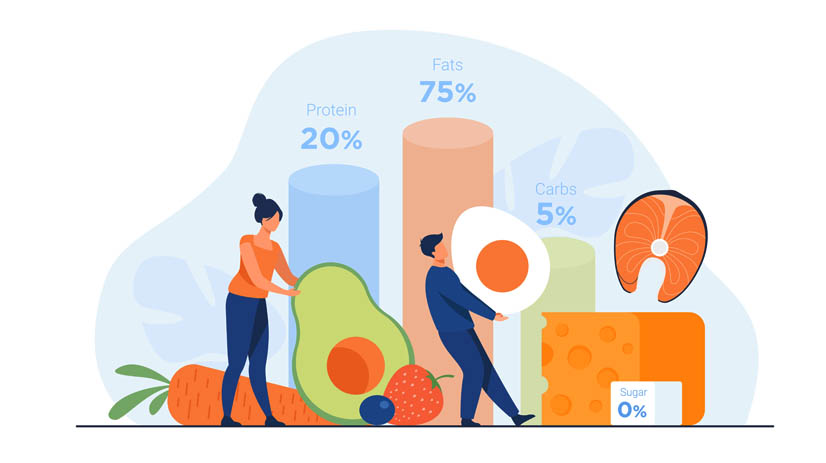
One of the primary advantages of personalized nutrition is the ability to receive dietary advice specifically designed for you. Unlike generic nutrition guidelines, personalized nutrition takes into account your individual characteristics, including your genotype and metabolic variations. This approach helps identify whether you’re a responder or non-responder to certain dietary interventions, allowing for more effective nutritional strategies.
Personalized nutrition goes beyond simply recommending essential nutrients. It considers the complex interactions between your genes, diet, and environment. For example, it can help determine how dietary fat composition affects your plasma lipids and risk for obesity. This level of customization ensures that your dietary plan is optimized for your unique needs.
Optimized Health Outcomes
By tailoring nutritional interventions to your specific requirements, personalized nutrition has the potential to significantly improve your health outcomes. Research has shown promising results in various areas:
- Weight Management: A 2021 randomized controlled trial involving 1,270 adults found that personalized nutrition advice led to greater reductions in the intake of discretionary foods (high in fat, added sugars, and salt) compared to generalized nutrition advice.
- Quality of Life: A 2022 study focusing on colorectal cancer survivors revealed that after six months, those receiving personalized nutritional interventions had higher energy and protein intake, gained more weight, and reported significantly higher global health status and overall quality of life compared to those receiving routine care.
Dietary Improvements: A systematic review of 11 randomized controlled trials concluded that personalized nutrition improved dietary intake in healthy adult populations more effectively than generalized nutrition advice.
Prevention of Nutrient Deficiencies
Personalized nutrition plays a crucial role in preventing and addressing nutrient deficiencies. By analysing your unique nutritional needs, this approach can help identify potential deficiencies before they become problematic. Here’s how:
- Targeted Supplementation: Personalized nutrition can guide you in selecting the most appropriate supplements based on your individual requirements, ensuring you receive the right nutrients in the right amounts.
- Microbiome Considerations: Your gut microbiome has a significant impact on your overall health and nutrient absorption. Personalized nutrition takes into account your microbiome composition, allowing for dietary recommendations that support a healthy gut environment.
- Real-time Monitoring: With advancements in technology, personalized nutrition enables you to track your health metrics in real-time. This continuous monitoring allows for timely adjustments to your diet and supplement regimen, helping to prevent nutrient deficiencies before they occur.
By embracing personalized nutrition, you’re not just following a one-size-fits-all approach. Instead, you’re adopting a scientifically-backed strategy that considers your unique genetic profile, lifestyle factors, and health goals. This tailored approach has the potential to optimize your nutrient intake, improve your overall health outcomes, and help you achieve your personal wellness objectives more effectively than traditional dietary advice.
Impact on Chronic Disease Management
Nutrigenomics has the potential to revolutionize the management of chronic diseases by tailoring dietary interventions to your unique genetic profile. This personalized approach has shown promising results in addressing several major health concerns.
Cardiovascular Health
Nutrigenomics offers a suitable approach to cardiovascular medicine, potentially enabling better prevention and treatment of cardiovascular diseases (CVD) through optimization of your dietary intake. Recent studies have shown significant effects of gene-diet interactions on CVD biomarkers and the development and progression of CVD.
The cardiovascular effects of gene-nutrient interactions with respect to macronutrients and genes such as FTO, ACE, PPARs, TCF7L2, BDNF, MC4R, APOAs, and FADS have shown consistent results across age groups and populations. These interactions can influence various intermediate phenotypes linked to CVD, including plasma lipid concentrations, glucose levels, markers of inflammation, and oxidative stress.
By understanding how certain dietary components modulate the risk conferred by genetic susceptibility, nutrigenomics can contribute to better primary prevention of CVD and increase the effectiveness of treatment once altered phenotypes have been diagnosed.
Diabetes
Personalized nutrition based on genetic information has shown promising results in managing diabetes and obesity. Recent evidence has revealed the importance of gene-environment interactions for the management of diabetes mellitus. A study found that personalized dietary advice based on DNA did not result in glucose changes within the first 6 weeks but was associated with significant reduction of fasting plasma glucose (FPG) and HbA1c at 26 weeks when compared to standard care.
Interestingly, this DNA-based diet was effective regardless of intervention type, suggesting that personalized nutrition can be implemented at scale through various modalities, such as one-on-one dietitian sessions or self-guided use of an app and wearable device.
Moreover, microbiome research has shown that a personalized diet based on a combination of clinical and microbial features is likely to improve responses to therapeutic interventions. This approach, considering genetic differences, microbiome patterns, and environmental factors, can increase success in promoting health and preventing complications related to diabetes and obesity.
Cancer Prevention
Nutrigenomics holds promise for cancer prevention by helping identify target molecules important in preventing and/or reducing the symptoms of cancer. Cancer incidence is projected to increase in the future, and altering dietary habits is potentially an effective approach for reducing cancer risk .
Studies have shown that nutrients can affect gene expression and induce changes in DNA and protein molecules. From a nutrigenomics perspective, nutrients are dietary signals that can regulate gene and protein expressions and affect metabolite productions. Cancer prevention studies have demonstrated that all major signalling pathways de-regulated in different types of cancer are affected by nutrients.
Dietary components can modulate various cancer-related processes, including:
- Carcinogen metabolism
- DNA repair
- Cell proliferation and apoptosis
- Inflammation
- Oxidant/antioxidant balance
- Angiogenesis
Many bioactive components present in fruits and vegetables can prevent carcinogenesis by several mechanisms, such as blocking metabolic activation through increasing detoxification. Interestingly, evidence suggests that whole food products rather than single bioactive components may be more important in mediating effects in the body.
By understanding the nutrigenomic profile of individuals, it may be possible to identify those who will benefit most from dietary interventions for cancer prevention. This personalized approach holds the potential to optimize cancer prevention strategies and reduce the risk of developing this complex disease.
Integrating Nutrigenomics into Clinical Practice
As nutrigenomics continues to revolutionize personalized nutrition, its integration into clinical practice is becoming increasingly important. This innovative field offers exciting possibilities for tailoring dietary recommendations to your unique genetic profile, potentially improving health outcomes and preventing chronic diseases.
Physician Education
To effectively implement nutrigenomics in clinical settings, healthcare providers need comprehensive education and training. The American Nutrition Association has developed a Nutritional Genomics program designed to equip clinicians with foundational knowledge in this emerging field. This program aims to provide nutritionists and other healthcare professionals with the tools to apply nutritional genomics in developing personalized nutrition intervention plans.
Upon completing the program, participants receive a Certificate of Completion and earn valuable continuing education credits. The program offers up to 48 AMA PRA Category 1 Credit(s)™ for physicians, 48 Continuing Education credits for Certified Nutrition Specialists, and 47.8 Continuing Professional Education Units (CPEUs) for Registered Dietitians and Registered Dietetic Technicians. This comprehensive training helps ensure that healthcare providers are well-prepared to incorporate nutrigenomics into their practice.
Patient Counseling
Nutritional counseling plays a crucial role in integrating nutrigenomics into clinical practice. As you explore personalized nutrition options, working with a trained professional can help you navigate the complexities of your genetic profile and its implications for your diet.
During nutritional counseling sessions, you’ll receive guidance on the types of foods you should consume regularly to promote optimal health based on your unique genetic makeup. This personalized approach can help address various health conditions, including eating disorders, high cholesterol, metabolic disorders, and diabetes.
One of the key benefits of nutritional counseling is the accountability it provides. When you have a professional guiding you through your nutritional journey, you’re more likely to stick to your personalized plan and achieve your health goals. Additionally, this approach gives you a say in the matter, allowing you to express your concerns, preferences, and wellness objectives.
Ethical Considerations
As nutrigenomics becomes more prevalent in clinical practice, it’s crucial to address the ethical considerations surrounding its use. Dr. Cecile Janssens, an expert in the field, emphasizes the importance of beneficence – the intent of doing good – in nutrigenomics practice.
To uphold ethical standards, healthcare providers should:
- Continuously update their skills and knowledge to reflect the latest advancements in nutrigenomics.
- Consider individual circumstances of all patients when providing personalized nutrition advice.
- Be transparent about the limitations of current nutrigenomic research.
It’s essential to recognize that nutrigenomics is still a young field, and commercial offerings may not always align with the best interests of customers. Healthcare providers should be cautious about overpromising results and should clearly communicate the current state of evidence to their patients.
As nutrigenomics continues to evolve, it’s crucial to conduct more relevant scientific studies, particularly those demonstrating whether personalized nutrition improves intermediate health outcomes. By maintaining high ethical standards and continuously improving the scientific basis for nutrigenomic interventions, healthcare providers can ensure that this promising field develops responsibly and effectively benefits patients in clinical practice.

The Role of Gut Microbiome in Nutrigenomics
Your gut microbiome, a complex ecosystem of trillions of microorganisms, plays a crucial role in nutrigenomics and your overall health. This intricate relationship between your genes, diet, and gut microbes has garnered significant attention in the scientific community over the past decade. The interactions between your microbiome and your body are highly complex, involving multiple facets that significantly shape your overall health and well-being.
Microbiome-Nutrient Interactions
Your gut microbiome has a dynamic and interrelated relationship with the food you consume. The dietary choices you make have the potential to impact the composition and functioning of your microbiome. Conversely, your microbiome influences how you metabolize and absorb nutrients.
Dietary fiber, commonly found in fruits, vegetables, whole grains, and legumes, has a considerable influence on your microbiome [51, 52]. Fiber serves as a substrate for specific commensal bacteria residing in your gastrointestinal tract, leading to the production of Short-Chain Fatty Acids (SCFAs). These SCFAs provide cellular energy to your colon’s epithelium and offer a range of health benefits, such as reducing inflammation, promoting gastrointestinal well-being, regulating metabolism, and even facilitating brain communication.
Interestingly, the impact of a specific diet on your gut microbiome can be shaped by a combination of your unique characteristics and those of your microbiome. For example, consuming exclusively animal or plant-based diets can prompt changes in your gut microbiota within just four days, with fat or fiber alterations evident within two weeks .
Personalized Probiotics
Probiotics, the only live bioactive compounds recognized by the FDA as safe, are combinations of beneficial bacteria and/or yeasts that naturally live in your body. Most commonly, these include strains of Lactobacillus, Bifidobacterium, and Saccharomyces. While they can’t colonize your gut permanently, regular consumption through diet or supplements can confer various health benefits.
Probiotics have shown potential in addressing conditions such as lactose intolerance, irritable bowel syndrome, and gastric ulcers. They may also play a role in reducing the risks of colorectal cancer, osteoporosis, obesity, and possibly type 2 diabetes.
Recent research has explored the potential of personalized probiotic approaches. For instance, a study by Pagliai et al. found that administering Lactiplantibacillus plantarum IMC 510® to obese individuals enhanced the growth of beneficial gut bacteria and alleviated waist circumference, fasting glucose levels, and digestive issues. This suggests a promising approach for obesity prevention and management through personalized probiotic interventions.
Future Research Directions
The field of nutrigenomics and gut microbiome research is rapidly evolving, opening up exciting possibilities for personalized nutrition and health management. Future research directions include:
- Precision Nutrition Approaches: Only a limited number of studies have integrated microbiome composition, physiological and metabolic parameters to tailor dietary plans based on individual gut microbiota composition. More research in this area could lead to highly personalized nutrition strategies.
- Micronutrient-Microbiome Interactions: Further investigation into how micronutrients influence the compositional and functional structure of the gut microbiome could provide insights for more targeted nutritional interventions.
- Metabolite Profiling: Studying the metabolites produced by gut microbes in response to different diets could offer new biomarkers for health and disease states.
- Long-term Effects: Research into the long-term effects of dietary interventions on the gut microbiome and overall health outcomes is needed to develop sustainable personalized nutrition strategies.
- Novel Protein Sources: Exploring the effects of alternative protein sources on the gut microbiome could lead to innovative dietary recommendations for promoting a healthy microbiome and gut health.
As research in nutrigenomics and gut microbiome interactions progresses, it holds the potential to revolutionize personalized nutrition approaches, offering tailored strategies for optimizing your health based on your unique genetic profile and gut microbiome composition.
Challenges and Limitations of Nutrigenomic Approaches
As you explore the exciting world of nutrigenomics, it’s crucial to understand the challenges and limitations that come with this emerging field. While personalized nutrition holds great promise, several hurdles need to be addressed before it can be fully integrated into mainstream healthcare.
Cost and Accessibility
One of the primary challenges in nutrigenomics is the cost and accessibility of genetic testing and personalized nutrition plans. While the technology is advancing rapidly, it’s still not widely available or affordable for everyone. Many consumers rely on ancestry genomic testing and third-party interpretation programs to access health information, which may not provide the most accurate or comprehensive results.
Moreover, the development of personalized diets that cater to an individual’s metabolic, performance, and cognitive requirements may be costly and impractical for widespread implementation. This approach could potentially limit the joy and diversity that comes with traditional food choices, making it unsustainable for many people.
Interpreting Complex Data
The interpretation of genetic data and its application to nutritional recommendations is a complex process that requires specialized knowledge. Many healthcare practitioners, especially those in complementary and alternative medicine (CAM), may not have the necessary training to accurately interpret and apply this information.
Additionally, the sheer volume of data generated by nutrigenomic testing can be overwhelming. Identifying the specific SNP-diet and SNP-nutrient interactions that cause chronic diseases is challenging due to the complexities inherent in studying genotypes and assessing dietary and nutrient intakes. The lack of replication in many reported SNP-diet associations and methodological problems in studies further complicate the interpretation of results.
Conclusion
Nutrigenomics and micronutrient testing are causing a revolution in our approach to health and wellness. By understanding the complex interplay between our genes, diet, and overall well-being, we can tailor nutritional strategies to optimize our health and prevent chronic diseases. This personalized approach has an impact on various aspects of health, from cardiovascular well-being to diabetes management and cancer prevention. The integration of nutrigenomics into clinical practice, along with the consideration of our gut microbiome, opens up exciting possibilities for precision health and individualized wellness.
As we look to the future, nutrigenomics holds great promise for transforming healthcare. However, to fully realize its potential, we need to address challenges such as cost, accessibility, and data interpretation. Ongoing research and collaboration among scientists, healthcare providers, and policymakers will be crucial to advance this field. By embracing nutrigenomics and personalized nutrition, we’re taking a significant step towards a future where our dietary choices are truly tailored to our unique genetic makeup, leading to better health outcomes and improved quality of life.
FAQ Section
Nutrigenomics testing tailors nutritional advice based on an individual’s genetic profile, helping to enhance dietary choices that mitigate disease risks. It can pinpoint genetic variations that may lead to nutrient deficiencies and guide on which foods might need to be avoided.
Nutrigenomics explores how our diet influences our genes and their expression, which is particularly relevant in managing diseases like cancer. Nutrigenetics, on the other hand, looks at how our genetic variations affect the way we respond to different diets, evident in conditions such as phenylketonuria and lactose intolerance.
Genomic testing offers insights into how individual genetic makeup affects the digestion, absorption, metabolism, and excretion of foods and nutrients. This information is crucial for enhancing heart and gut health, and for increasing the effectiveness of weight loss strategies.
How reliable is nutrigenomic testing?
Nutrigenomic testing is grounded in robust scientific research and is generally highly accurate. However, it’s important to understand that genetic predisposition is just one aspect among many that affect health.