Plant-Based Diet for Beginners: Your Complete Guide to Healthy Eating
by Kedar Mallick · 23 September 2024
Hey there, health fan! Want to change how you eat? You’ve heard people talk about plant-based diets, and trust me, it’s more than just a trend. Maybe you’re interested in starting a vegan diet or just want to try out being a vegetarian. Either way, you’ve come to the right spot.
What’s the big deal about plant-based eating? In simple terms, it puts plants at the center of your meals. This means fruits, vegetables whole grains, legumes, nuts, and seeds take center stage. But don’t stress – you don’t need to give up your favorite foods right away (pun intended). Plant-based diets come in many forms ranging from strict vegan diets to more relaxed approaches that still include some animal products.
The best part? Plant-based meals taste great and can change your health for the better. They can lower your risk of heart disease, help you manage your weight, and even shrink your carbon footprint. What’s more, with so many easy plant-based recipes now available, you’ll always have plenty of yummy options to choose from.
In this guide, we’ll show you everything you need to know to start a plant-based diet. We’ll cover nutrition basics and give you tips on meal planning. We’ve got all the info you need. So, are you ready to begin your journey to healthier eating? Let’s get started!
Understanding Plant-Based Nutrition
Let’s explore plant-based nutrition. We won’t use complicated terms – this aims to make you feel at ease with the basics of a plant-based diet.
To start: how do we define a whole food plant-based diet? Picture it as eating foods close to their natural form. This means choosing an apple over apple juice, or picking brown rice instead of white. It’s about enjoying foods nature has perfected, with minimal human changes.
Now, let’s look at the main components of plant-based nutrition:
- Proteins: You can get enough protein without meat! Lentils, chickpeas, tofu, and quinoa are some plant-based protein sources that pack a punch.
- Carbohydrates: Whole grains like oats, barley, and whole wheat will be your go-to options. They give you energy and help you feel full.
- Fats: Think about avocados, nuts, seeds, and olive oil. Your body needs these healthy fats to absorb certain vitamins and keep your skin looking good.
- Vitamins and Minerals: Fruits and vegetables are loaded with these. Dark leafy greens, for example, work like a natural multivitamin!
- Fiber: Diets based on plants contain lots of fiber. This helps with digestion and makes you feel full longer.
You might ask: how does this compare to other diets? Let’s break it down:
- Plant-based diet: Centers on plants but doesn’t always cut out animal products .
- Vegan diet: Cuts out all animal products, including dairy and eggs.
- Vegetarian diet: Cuts out meat but might include dairy and eggs.
Plant-based eating shines because it’s flexible. You can adjust it to suit your needs and likes. Maybe you want to jump in with a vegan approach, or you might prefer to start with a few plant-based meals each week. There’s no single right way – it’s about finding what fits you best.
Keep in mind, we’re not aiming for perfection here. What matters is making more plant-based choices and enjoying the health perks that come with it. Whether you’re committed to the vegan lifestyle or just want to add more veggies to your meals, you’re heading in the right direction. Eating plant-based food is an ongoing process, not an end goal, and every meal packed with plants is a step forward on this path!
Getting Started with Plant-Based Eating
So, you want to try plant-based eating? Great! Let’s talk about how to begin a plant-based diet without stress. You’ll see it’s not as hard as you might expect!
To start: don’t think you need to change your whole diet in one day. Small steps work best here. You could begin with one plant-based day each week (like Meatless Monday) and add more days. Keep in mind, this is about moving forward, not being perfect.
Let’s discuss stocking your kitchen. When you have the right ingredients on hand, you can make plant-based meals. Here’s a basic grocery list to help you start a plant-based diet:
- Fruits: Apples, bananas, berries, oranges – pick what you like!
- Vegetables: Leafy greens, broccoli, carrots, bell peppers sweet potatoes
- Whole grains: Brown rice, quinoa, oats whole grain pasta
- Legumes: Lentils, chickpeas black beans, kidney beans
- Nuts and seeds: Almonds, walnuts, chia seeds, flax seeds
- Plant-based milk: Almond soy, oat, or any other you fancy
- Herbs and spices: These add flavor to your meals!
Here’s a tip: Don’t shy away from the frozen food aisle. Frozen fruits and vegetables are just as healthy and can save you time in the kitchen.
When you’re beginning your journey, it’s useful to think about substitutions. Do you enjoy spaghetti bolognese? Give lentils or crumbled tofu a shot instead of meat. Can’t picture your life without hamburgers? You’ll find plenty of tasty plant-based patties in stores, or you can try to make your own using beans and grains.
Another good approach is to put your attention on plant-based meals you enjoy. Do you like oatmeal for breakfast? You’re already eating plant-based! Do you enjoy pasta with tomato sauce? Just leave out the cheese (or give a plant-based option a shot), and you’re all set.
Keep in mind, eating plant-based isn’t about cutting things out – it’s about trying new things. This gives you a chance to taste new foods and broaden what you know about cooking. Have you ever tasted jackfruit tacos or cauliflower wings? Now’s your chance to give them a try!
, don’t worry too much about doing it “.” Each plant-based meal is a success, whether it’s a fancy lentil loaf or a basic peanut butter sandwich. The aim is to make plant-based eating fit your life and routine.
So, are you ready to start cooking? With your kitchen prepared and these pointers in mind, you’re set to begin your plant-based journey. Keep in mind, it’s a process, and each step (or bite) matters. Here’s to your health and some tasty meals coming your way!
Essential Plant-Based Protein Sources
Okay, let’s address the question everyone asks about plant-based diets: “But where do you get your protein?” Get ready, because we’re about to explore the amazing world of plant protein!
Let’s start with the basics: you can get all the protein you need from plants. In fact, some of the world’s strongest animals – like gorillas and elephants – eat only plants. So, we can put that myth to rest right away!
Now, let’s look at some great plant-based protein sources:
- Legumes: These are the champions of plant protein. Let’s look at:
- Lentils (18g of protein per cup)
- Chickpeas (15g per cup)
- Black beans (15g per cup)
- Edamame (18g per cup)
- Soy products:
- Tofu (20g per cup)
- Tempeh (31g per cup)
- Soy milk (8g per cup)
- Nuts and seeds:
- Almonds (6g per ounce)
- Pumpkin seeds (9g per ounce)
- Chia seeds (4g per ounce)
- Whole grains:
- Quinoa (8g per cup)
- Oats (6g per cup)
- Wild rice (7g per cup)
- Vegetables (you might not know this, but veggies contain protein too!):
- Broccoli (4g per cup)
- Spinach (5g per cup)
- Brussels sprouts (4g per cup)
Now that we have our protein superstars, let’s chat about how to add them to your meals. The secret is to switch things up throughout the day. Here’s an idea:
- Breakfast: What about a shake with soy milk, spinach, and chia seeds?
- Lunch: A quinoa dish with roasted veggies and chickpeas sounds tasty!
- Dinner: How about trying a lentil and vegetable stir-fry on top of brown rice?
- Snacks: A handful of almonds or some hummus with veggie sticks? Count me in!
Keep in mind, it’s not just about protein quantity, but also about getting different amino acids (protein’s building blocks). By eating various plant foods, you’ll cover all your needs.
One more thing: don’t worry too much about counting protein grams. If you eat a varied plant-based diet with lots of whole foods, you’re probably getting enough. Most people think they need more protein than they do. The average adult needs about 0.8 grams of protein per kilogram of body weight each day. So, a 150-pound person needs about 54 grams of protein daily – which is easy to achieve on a plant-based diet!
Next time someone asks you about protein, you can list a bunch of tasty plant-based options. You might even get them excited to try plant-based eating!
Easy Plant-Based Recipes for Beginners
We’ve gone over the basics so let’s jump into the exciting part – the food! Don’t stress if you’re not a cooking pro. These simple plant-based recipes are great for newcomers and will help you create tasty meals .
Let’s kick things off with some fast plant-based breakfast ideas:
- Overnight Oats Mix 1/2 cup rolled oats with 1/2 cup plant milk, add a spoonful of chia seeds, and top with your favorite fruits and nuts. Let it sit in the fridge overnight, and you’re all set! Your breakfast is ready to eat.
- Tofu Scramble Break up firm tofu in a pan, add some turmeric to give it color, and toss in your favorite veggies. Add salt, pepper, and nutritional yeast to create a cheesy taste. It’s similar to scrambled eggs, but made from plants!
You can try these easy plant-based recipes for lunch and dinner:
- Buddha Bowl Begin with quinoa or brown rice as a foundation, add roasted vegetables (sweet potato, broccoli, and chickpeas work well), and finish with a flavorful tahini dressing. This creates a full meal in one bowl!
- Lentil Spaghetti Bolognese Replace meat with lentils in your go-to pasta sauce recipe. Serve this over whole grain pasta to make a cozy, protein-rich dish.
- Veggie Stir-Fry Cook your preferred vegetables in a pan with tofu or tempeh, add a basic sauce (try mixing soy sauce, rice vinegar, and a bit of maple syrup), and serve over brown rice. This dish is quick, simple, and you can adjust it to your taste!
Don’t leave out plant-based snacks! Check out these ideas to keep your energy up between meals:
- Hummus and Veggie Sticks Pair store-bought or homemade hummus with carrot sticks, cucumber slices, and bell peppers for a filling snack.
- Energy Balls Mix dates, nuts, and oats in a food processor, shape into balls, and chill. These make great snacks when you’re out and about!
- Avocado Toast Spread mashed ripe avocado on whole grain toast, add a pinch of salt, pepper, and maybe some red pepper flakes. It’s basic, but tastes amazing!
Keep in mind, these are just starting points. As you grow more at ease with plant-based cooking, feel free to try new things and put your own spin on these recipes. You might stumble upon a new favorite combo of spices or veggie pairing!
Here are some pointers to help you succeed with plant-based cooking:
- Make sure your pantry has the basics like grains, legumes, and spices.
- Frozen veggies and fruits can be your allies – they’re handy and just as healthy.
- Cook in bulk when you have time to spare. Having pre-made grains or beans in your fridge can make whipping up weeknight meals a cinch.
- Don’t worry about getting everything perfect. If a dish doesn’t come out quite as planned, it’s all part of learning the ropes!
The great thing about eating plant-based foods is that it makes you get creative in the kitchen. So enjoy yourself! Before long, you’ll whip up your own special plant-based meals and wonder why you ever thought it would be tough.
Good luck cooking, plant-based chef!
Meal Planning on a Plant-Based Diet
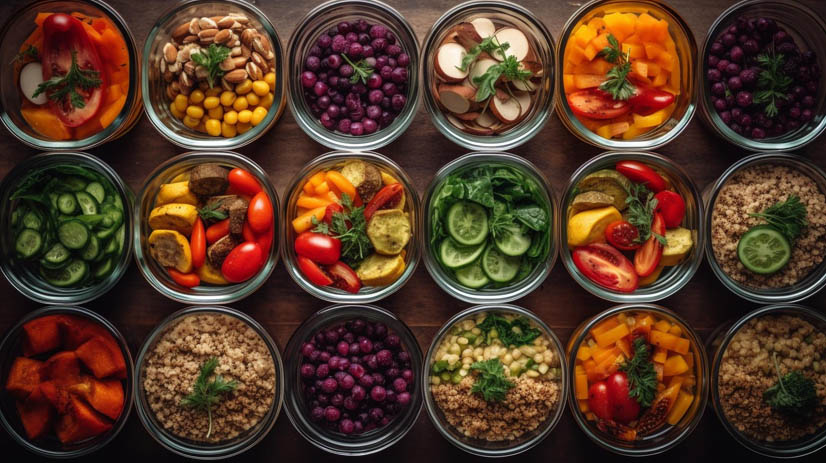
Let’s chat about meal prep! Don’t stress – we won’t ask you to cook all day Sunday. With some quick planning, plant-based meal prep can be easy and change your week for the better.
So why plan meals? It saves time and money, and stops those “What should we eat?” worries. It also helps you get the right mix of nutrients all week.
Here are some key tips to start your plant-based meal prep:
- Start Small: If you’re new to meal prepping, don’t plan every single meal. You might want to begin with just dinners for the weekdays.
- Batch Cook Staples: Cook a large amount of grains (like quinoa or brown rice) and legumes (like lentils or black beans) at the week’s start. These can serve as the foundation for many meals.
- Chop Veggies in Advance: Take some time to wash and chop veggies. Keep them in containers in the fridge so you can grab them throughout the week.
- Use Your Freezer: Soups stews, and casseroles often keep well when frozen. Make extra and freeze portions to use on busy days.
Let’s check out a sample meal plan for a plant-based diet in a day:
- Breakfast: Overnight oats topped with berries and nuts
- Lunch: Buddha bowl featuring quinoa roasted veggies, and chickpeas
- Dinner: Lentil and vegetable stir-fry served over brown rice
- Snacks: Apple paired with almond butter, and carrot sticks with hummus
Keep in mind, this serves as an example. The goal is to find meals you like that suit your lifestyle.
Concerned about costs? Here are some tips to eat plant-based on a budget:
- Buy in Bulk: You’ll save money on grains, legumes, and nuts when you purchase larger amounts.
- Shop Seasonally: In-season produce costs less and tastes better.
- Don’t Shy Away from Frozen: Frozen fruits and vegetables often have a lower price tag and pack the same nutritional punch as fresh ones.
- Stick to Whole Foods: Processed vegan items can hit your wallet hard. Focus on whole plant foods for the most part.
- Plan Around Sales: Look at your nearby grocery store’s weekly deals and build your meals based on what’s discounted.
Here’s one more piece of advice: stay flexible! You might have thought about whipping up a stir-fry, but now you’re in the mood for a big salad. That’s fine! Meal planning isn’t meant to box you in, but to simplify your life and make sure you’ve always got healthy choices ready to go.
Keep this in mind: plant-based meal prep doesn’t need to be complex or eat up all your time. Begin with easy steps, figure out what suits you best, and feel free to tweak things as you move forward. Before you realize it, you’ll be a whiz at plant-based meal planning!
Nutritional Considerations for Plant-Based Eaters
Let’s talk about nutrients! A well-planned plant-based diet can meet all your nutritional needs, but you should pay attention to a few key areas. Don’t worry, it’s not as hard as you might think.
First, let’s address the big issue: Vitamin B12. This nutrient is hard to get from plant sources alone. Here’s what you need to know:
- Vitamin B12 plays a key role in nerve function and DNA creation.
- Animal products contain B12 , but plants don’t.
- Good news: B12 enriches many plant-based milks and cereals.
- Think about taking a B12 supplement to make sure you get enough.
Next up: Iron. Plants have lots of iron, but our bodies don’t absorb it as well as iron from animal sources. Here’s how to increase your iron intake:
- Eat more foods high in iron like lentils, tofu, quinoa, and leafy greens.
- Eat iron-rich foods with foods that have vitamin C (like citrus fruits) to help your body absorb more iron.
- Using cast iron pans when you cook can add some iron to your food.
Now, let’s talk about calcium. It’s not all about milk! Here are some plant-based foods with calcium:
- Leafy greens such as kale and collard greens
- Plant milks and juices with added calcium
- Tofu (when it’s made with calcium sulfate)
- Almonds and sesame seeds
Let’s talk about omega-3 fatty acids. They play a key role in keeping your heart and brain healthy. Fish often comes to mind as a source, but plants can provide them too:
- Walnuts, chia seeds, and flax seeds pack a punch.
- If you’re worried about getting enough, think about taking an algae-based omega-3 supplement.
Now, back to protein. We touched on this before, but it’s worth saying again: when you eat a mix of plant-based foods with lots of legumes whole grains, nuts, and seeds, you’ll get all the protein your body needs.
Keep in mind, the secret to meeting your body’s needs lies in eating a wide range of whole plant foods. Picture your plate as a rainbow – the more colors you see the better off you’ll be!
Here are some last-minute pointers:
- Try logging what you eat for a week or two with an app. This can show you where you might be missing out on certain nutrients.
- Give fortified foods a chance. They’re a good way to up your intake of some nutrients.
- If you’re worried about your nutrient levels, chat with a doctor or dietitian. They might suggest blood work or supplements.
- Keep in mind that each person’s needs are unique. Things like how old you are, whether you’re male or female, and how active you are all affect what nutrients you need.
What’s the takeaway? If you’re a bit careful and think ahead, you can do well on a diet without animal products. So dig in and enjoy your plant-based meals – there’s plenty to choose from!
Overcoming Challenges in Plant-Based Eating
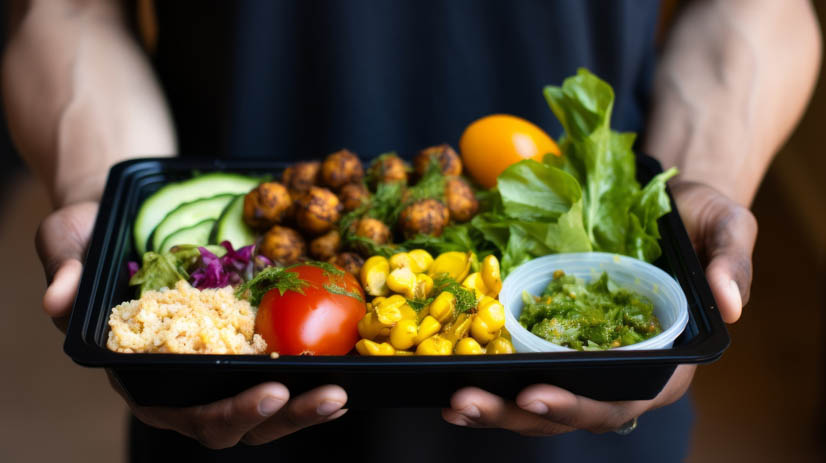
Starting a plant-based diet is exciting, but it can present some obstacles. Don’t worry! We’ll address some common issues and give you strategies to handle them.
- Dealing with Cravings
Do you miss your old favorites? That’s normal! Here’s how to cope:
- Look for plant-based versions of foods you love. Want a burger? Try a patty made from beans or mushrooms.
- Try new tastes and textures. You might find new favorites that make you forget the old ones.
- Think about why you began. Sometimes, remembering your reasons can help you resist cravings.
- Eating Out While Plant-Based
You can still enjoy meals at restaurants:
- Look up menus online before you go. Lots of places now have options for plant-based eaters.
- Feel free to ask for changes to dishes. Most restaurants are glad to help.
- Have a list of favorite spots ready for when you can’t decide where to eat.
- Handling Social Situations
Social events can be challenging, but you can manage them:
- Take a dish to share when you go to get-togethers. This means you’ll have food to eat and can show others some good plant-based meals.
- Talk to hosts before the event about what you eat.
- Think about the people, not just the food. You’re there to hang out!
- Handling Questions from Family and Friends
Some people might not get why you’re doing this. Here’s how to deal with it:
- Learn about your choice so you can explain it well if someone asks.
- Show, don’t tell. Let your health and excitement do the talking.
- Be calm. Keep in mind, you’re making a big shift, and others might need time to get used to it.
- Coping with Early Digestive Changes
Eating more fiber can sometimes cause short-term tummy troubles:
- Ease into it so your body can get used to it.
- Drink plenty of water to help your gut handle the extra fiber.
- Think about taking a probiotic to help your gut health as you make this change.
- Beating Kitchen Burnout
Tired of all the cooking? Give these ideas a shot:
- Cook big batches and freeze meals for busy days.
- Have some quick, no-cook meals up your sleeve (like sandwiches or salads).
- Remember, not every meal needs to be fancy. Keep it simple most of the time!
Keep in mind, it’s fine to face setbacks or periods of uncertainty. This is an ongoing process, not an end goal. Show yourself compassion, take pride in your achievements, and don’t let striving for perfection hinder your progress. Each plant-based meal counts as a success, whether it’s your first or your five-hundredth.
As time passes, you’ll find it easier to deal with many of these hurdles. You’ll create new routines, discover your favorite meals and eating spots, and motivate others as you go. Stick with it – you’ve got this under control!
Plant-Based Diet for Weight Management
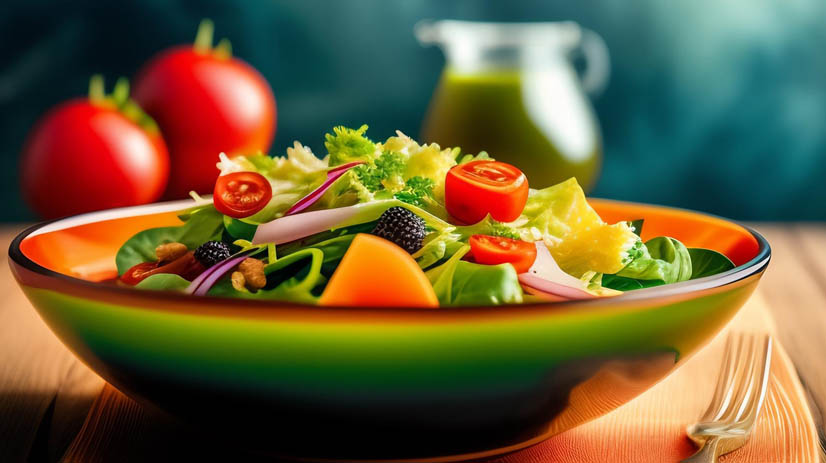
If you’re exploring plant-based eating with an eye on the scale, you’re in good company. Many people find that a plant-based diet can be an effective tool for weight management. Let’s dig into why this might be and how to make it work for you.
First off, why might a plant-based diet support weight loss?
- Higher in Fiber: Plant foods are typically rich in fiber, which helps you feel full and satisfied with fewer calories.
- Lower in Calorie Density: Many plant foods have fewer calories per volume compared to animal products, allowing you to eat larger portions for fewer calories.
- Nutrient-Dense: Plant-based diets tend to be rich in vitamins, minerals, and antioxidants, which can help curb cravings and support overall health.
Now, let’s talk about how to balance your plant-based meals for weight management:
- Focus on Whole Foods: Opt for minimally processed plant foods like fruits, vegetables, whole grains, legumes, nuts, and seeds.
- Watch Your Portions: Even healthy foods can contribute to weight gain if eaten in large quantities. Be mindful of portion sizes, especially with calorie-dense foods like nuts and avocados.
- Include Protein at Every Meal: Plant-based proteins like lentils, tofu, and quinoa can help keep you feeling full and satisfied.
- Don’t Forget Healthy Fats: Include sources of healthy fats like avocados, nuts, and seeds. They’re important for nutrient absorption and keeping you satiated.
- Stay Hydrated: Sometimes thirst can masquerade as hunger. Keep a water bottle handy and sip throughout the day.
A word of caution: not all plant-based foods are created equal when it comes to weight management. Here are some potential pitfalls to watch out for:
- Processed Vegan Foods: Just because it’s vegan doesn’t mean it’s healthy. Many processed vegan foods can be high in calories, sugar, and unhealthy fats.
- Liquid Calories: Be mindful of high-calorie beverages, including some plant-based milks and juices.
- Oversized Portions: Even healthy foods can contribute to weight gain if eaten in large quantities.
Remember, sustainable weight management is about creating habits you can stick with long-term. Here are some tips:
- Find Plant-Based Foods You Love: The best diet is one you enjoy. Experiment with different plant-based recipes to find your favorites.
- Listen to Your Body: Pay attention to hunger and fullness cues. Eat when you’re hungry, stop when you’re satisfied.
- Stay Active: Combine your plant-based diet with regular physical activity for best results.
- Be Patient: Sustainable weight loss takes time. Focus on consistent, healthy habits rather than quick fixes.
- Consider Tracking: If it helps, use a food diary or app to track your intake and ensure you’re getting a good balance of nutrients.
Remember, everyone’s body is different. What works for one person might not work for another. If you have specific weight management goals, it might be helpful to work with a registered dietitian who can tailor a plant-based plan to your individual needs.
The beauty of a plant-based diet for weight management is that it’s not just about the number on the scale. It’s about nourishing your body with wholesome foods that make you feel energized and vibrant. So as you embark on this journey, celebrate all the positive changes – whether that’s more energy, clearer skin, or yes, maybe a few pounds lost along the way.
Flexitarian Approach: Easing into Plant-Based Eating
If you’re intrigued by plant-based eating but not quite ready to go all-in, say hello to the flexitarian diet. It’s like the easy-going cousin of strict vegetarianism – more plants, less meat, but no hard and fast rules. Let’s explore how this flexible approach can be your gateway to more plant-based meals.
So, what exactly is a flexitarian diet? Simply put, it’s a style of eating that encourages mostly plant-based foods while allowing meat and other animal products in moderation. It’s about adding to your diet, not restricting – more plants, not no meat ever.
Why consider the flexitarian approach?
- Gentle Transition: It’s a less intimidating way to explore plant-based eating.
- Health Benefits: Even reducing meat consumption can have positive health impacts.
- Environmental Impact: Eating less meat can significantly lower your carbon footprint.
- Flexibility: You can adapt it to your lifestyle, preferences, and social situations.
Ready to dip your toes in? Here are some tips for gradually increasing your plant-based meals:
- Start with Meatless Mondays: Dedicate one day a week to eating completely plant-based.
- Be a Vegetarian Before 6: Eat plant-based for breakfast and lunch, then do what feels right for dinner.
- Redefine Your Plate: Make meat the side dish and veggies the star. Aim to fill half your plate with vegetables.
- Embrace Plant-Based Snacks: Swap out meat-based snacks for options like hummus and veggies, fruit and nut butter, or roasted chickpeas.
- Experiment with Meat Alternatives: Try plant-based burgers, sausages, or chicken substitutes in your favorite recipes.
- Practice the ‘Vegan Before Dinner’ Rule: Eat plant-based all day and include a small portion of animal protein with dinner if you wish.
Remember, the goal of flexitarianism isn’t perfection – it’s progress. Every plant-based meal is a win, whether you’re eating one meatless meal a week or one small serving of meat a week.
As you embark on your flexitarian journey, you might find yourself naturally gravitating towards more and more plant-based meals. That’s great! But if you don’t, that’s okay too. The beauty of this approach is that you can find the balance that works best for you and your body.
A few more tips for flexitarian success:
- Focus on Adding, Not Subtracting: Instead of thinking about cutting out meat, focus on adding more plants to your diet.
- Keep It Familiar: Start by making plant-based versions of your favorite meals. Love spaghetti bolognese? Try a lentil version!
- Be Prepared: Keep your kitchen stocked with plant-based staples so you always have options on hand.
- Stay Curious: Use this as an opportunity to try new foods and recipes. You might discover new favorites!
Remember, any step towards eating more plants is a step in a positive direction – for your health and for the planet. So whether you’re going plant-based one meal at a time or one day at a time, celebrate your progress. You’re on your way to a more flexible, plant-powered way of eating!
FAQ: Common Questions About Plant-Based Diets
Got questions? We’ve got answers! Here are some of the most common questions people ask when they’re exploring plant-based eating.
ans:- A plant-based diet focuses on foods primarily from plants. This includes not only fruits and vegetables, but also nuts, seeds, oils, whole grains, legumes, and beans. It doesn’t mean that you never eat meat or dairy. Rather, you’re proportionately choosing more of your foods from plant sources.
Ans: Yes, a well-planned plant-based diet can be very healthy. It’s often high in fiber, vitamins, minerals, and antioxidants, while being lower in saturated fat and cholesterol. Studies have linked plant-based diets to lower risks of heart disease, high blood pressure, diabetes, and certain cancers. However, as with any diet, it’s important to ensure you’re getting all necessary nutrients.
Ans: There are many excellent plant-based protein sources. These include:
- Legumes (beans, lentils, peas)
- Nuts and seeds
- Whole grains
- Soy products (tofu, tempeh, edamame) By eating a variety of these foods throughout the day, most people can easily meet their protein needs.
Ans: Many people do find that a plant-based diet supports weight loss. Plant-based diets are often lower in calories and higher in fiber, which can help you feel full on fewer calories. However, weight loss ultimately depends on your overall calorie intake and lifestyle. It’s possible to gain weight on a plant-based diet if you’re consuming more calories than you’re burning.
Ans: Start gradually! Here are some steps you can take:
- Begin with one plant-based meal per day or one plant-based day per week.
- Slowly increase your intake of fruits, vegetables, whole grains, and legumes.
- Try plant-based versions of your favorite meals.
- Experiment with new plant-based recipes.
- Gradually reduce your intake of animal products.
Ans: It doesn’t have to be! While some specialty plant-based products can be pricey, many plant-based staples are very affordable. Beans, rice, potatoes, and seasonal fruits and vegetables are often some of the least expensive items in the grocery store. Buying in bulk and planning your meals can help keep costs down.
Ans: A well-planned plant-based diet can meet most of your nutritional needs, but there are a few nutrients to watch out for:
- Vitamin B12: This is typically found only in animal products, so a B12 supplement is often recommended.
- Vitamin D: If you don’t get much sun exposure, you might need a supplement (this applies to non-plant-based diets too).
- Omega-3s: Consider an algae-based supplement if you don’t eat fish. Always consult with a healthcare provider before starting any new supplement regimen.
A: Yes, with proper planning. Plant-based diets can be appropriate for all stages of life, including pregnancy, lactation, infancy, childhood, and adolescence. However, it’s important to ensure all nutritional needs are met. Consult with a registered dietitian or healthcare provider for personalized advice.
Remember, there’s no one-size-fits-all approach to nutrition. What works best for you may depend on your individual health needs, lifestyle, and preferences. Don’t hesitate to seek professional advice if you have specific health concerns or questions about transitioning to a plant-based diet.