Probiotics, Gut-Friendly Foods, and Their Impact on Overall Wellness
by Kedar Mallick · 4 October 2024
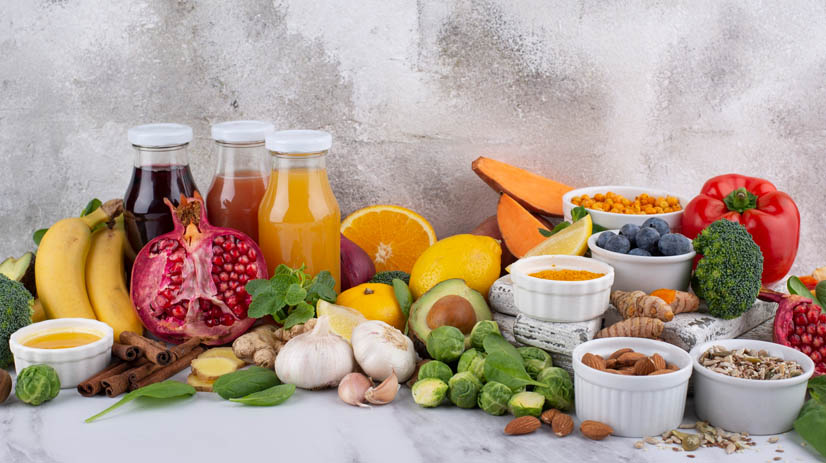
In recent years, the conversation around health has taken a fascinating turn, highlighting the vital role of gut health in our overall well-being. You might be surprised to learn that your gut—often referred to as your “second brain”—is more than just a digestive organ. It’s a complex ecosystem that influences everything from your immune system to your mood.
At the heart of this discussion are probiotics and gut-friendly foods, which can significantly impact how we feel and function daily. Probiotics are live bacteria that can provide numerous health benefits when consumed in adequate amounts, while gut-friendly foods nourish these beneficial microbes, helping them thrive.
In this article, we’ll explore the connection between gut health and overall wellness, diving deep into the benefits of probiotics, the best foods to support your microbiome diet, and practical digestive health tips you can incorporate into your daily routine. By understanding how to promote gut health, you can unlock a healthier, happier version of yourself. So let’s embark on this journey to discover how nurturing your gut can lead to profound improvements in your overall wellness!
Understanding Gut Health
When we talk about gut health, we’re referring to the balance of microorganisms living in our digestive tract. This intricate community, known as the gut microbiome, plays a crucial role in our body’s overall function. A healthy gut is one where beneficial bacteria outnumber harmful ones, creating an environment that supports digestion, nutrient absorption, and even immune function.
The gut microbiome is influenced by various factors, including diet, lifestyle, and even stress levels. When you consume gut-friendly foods rich in fiber and probiotics—like yogurt or whole grains—you’re feeding these beneficial bacteria and helping them flourish. Conversely, a diet high in processed foods can disrupt this balance, leading to digestive issues and other health problems.
But why does this matter? Research shows that a healthy gut is linked not only to better digestion but also to improved mental health. The gut-brain connection means that what happens in your digestive system can affect your mood and cognitive function. For instance, studies have found that probiotics can help alleviate symptoms of anxiety and depression by influencing neurotransmitter production.
Understanding gut health is essential for anyone looking to enhance their overall wellness. By prioritizing foods that promote gut health and incorporating probiotics into your diet, you can create a thriving microbiome that supports both physical and mental well-being. In the next section, we’ll delve deeper into the role of probiotics in maintaining this delicate balance.
The Role of Probiotics in Gut Health
Probiotics are often hailed as the superheroes of gut health, and for good reason. These live microorganisms, which include various strains of bacteria and yeast, offer a multitude of benefits when consumed in adequate amounts. But what exactly do probiotics do, and why are they so important for our overall wellness?
First and foremost, probiotics help maintain the balance of good bacteria in our digestive system. When we consume gut-friendly foods rich in probiotics—such as yogurt, kefir, sauerkraut, and kimchi—we introduce these beneficial microbes into our gut. This can help combat harmful bacteria that may lead to digestive issues like bloating, diarrhea, or constipation.
Research has shown that probiotics can also enhance nutrient absorption. They assist in breaking down food and synthesizing essential vitamins, such as B vitamins and vitamin K. This means that by supporting your gut health with probiotics, you’re not just improving digestion; you’re also ensuring your body gets the nutrients it needs to function optimally.
Moreover, the benefits of probiotics extend beyond digestion. Studies suggest that they can positively influence mental health by interacting with the gut-brain axis. This connection means that a healthy gut can lead to improved mood and reduced symptoms of anxiety and depression. In fact, some research indicates that specific probiotic strains may help alleviate stress and enhance overall emotional well-being.
It’s important to note that not all probiotics are created equal. Different strains serve different purposes, so it’s essential to choose the right ones for your needs. For instance, Lactobacillus rhamnosus is often recommended for digestive health, while Bifidobacterium longum has been linked to improved mental health outcomes.
Incorporating probiotics into your diet is a simple yet effective way to support your gut health. Whether through fermented foods or high-quality probiotic supplements, you can help maintain a thriving microbiome that contributes to your overall wellness. In the next section, we’ll explore the best gut-friendly foods you should consider adding to your meals.
Gut-Friendly Foods: What to Include in Your Diet
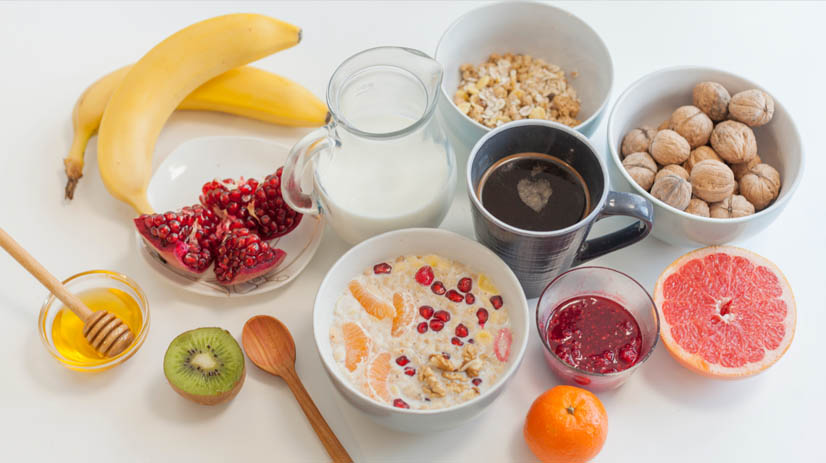
When it comes to supporting your gut health, the foods you choose to include in your diet play a pivotal role. Incorporating a variety of gut-friendly foods not only nourishes your microbiome but also enhances your overall wellness. Let’s explore some of the best foods that promote gut health and how you can easily integrate them into your meals.
Fermented Foods
Fermented foods are packed with probiotics, making them a cornerstone of any gut-friendly diet. These foods undergo a natural fermentation process that encourages the growth of beneficial bacteria. Here are some top choices:
- Yogurt: A classic source of probiotics, yogurt contains live cultures that can improve digestion and enhance gut flora. Look for varieties labeled “live and active cultures” for maximum benefit.
- Kefir: Similar to yogurt but even richer in probiotics, kefir is a fermented milk drink that offers a tangy flavor and creamy texture. It’s great for smoothies or as a standalone beverage.
- Sauerkraut: This fermented cabbage dish is not only delicious but also loaded with vitamins C and K, along with beneficial bacteria. Add it to sandwiches, salads, or as a side dish.
- Kimchi: A staple in Korean cuisine, kimchi is made from fermented vegetables, typically napa cabbage and radishes, seasoned with spices. It’s spicy, flavorful, and packed with probiotics.
Prebiotic Foods
While probiotics introduce beneficial bacteria into your gut, prebiotic foods serve as their fuel. These foods contain non-digestible fibers that promote the growth of healthy gut bacteria. Here are some excellent prebiotic options:
- Garlic: This aromatic bulb is not only a flavor enhancer but also a powerful prebiotic. It can help stimulate the growth of beneficial bacteria in the gut.
- Onions: Rich in fiber and antioxidants, onions are versatile ingredients that can be added to various dishes while providing prebiotic benefits.
- Bananas: A convenient snack, bananas contain resistant starch that acts as a prebiotic, helping to nourish your gut bacteria.
Fiber-Rich Foods
A diet high in fiber is essential for maintaining digestive health. Fiber helps regulate bowel movements and supports the overall function of your gastrointestinal system. Here are some fiber-rich foods to include:
- Whole Grains: Foods like brown rice, quinoa, oats, and whole wheat bread provide ample fiber while promoting healthy digestion.
- Legumes: Beans, lentils, and chickpeas are not only high in fiber but also rich in protein, making them excellent additions to soups, salads, and stews.
- Fruits and Vegetables: Aim to fill half your plate with fruits and vegetables at every meal. Options like berries, apples, broccoli, and carrots are all high in fiber and essential nutrients.
Tips for Incorporating Gut-Friendly Foods
Integrating these gut-friendly foods into your diet doesn’t have to be complicated. Start by adding a serving of yogurt or kefir to your breakfast routine. Experiment with different fermented foods as toppings or sides during meals. For snacks, reach for fruits like bananas or apples paired with nut butter for added protein.
By focusing on incorporating probiotics and prebiotics into your daily meals along with fiber-rich options, you’ll be well on your way to nurturing a healthy gut microbiome. In the next section, we’ll dive into the principles of the microbiome diet and how it can further enhance your gut health.
Microbiome Diet: What It Is and How It Works

The microbiome diet is a holistic approach to eating that emphasizes foods promoting a healthy gut microbiome. This diet focuses on nourishing the beneficial bacteria in your gut, ultimately supporting your overall wellness. By understanding the principles of the microbiome diet, you can make informed choices that enhance your gut health and improve your quality of life.
Core Principles of the Microbiome Diet
- Emphasize Whole Foods: The microbiome diet encourages consuming whole, unprocessed foods. This means filling your plate with fresh fruits, vegetables, whole grains, legumes, nuts, and seeds. These foods are rich in fiber and essential nutrients that support gut health.
- Incorporate Fermented Foods: As we’ve discussed, fermented foods are vital for introducing probiotics into your diet. Including options like yogurt, kefir, sauerkraut, and kimchi can help maintain a balanced gut flora.
- Limit Sugar and Processed Foods: High sugar intake and processed foods can disrupt the balance of bacteria in your gut. The microbiome diet advocates for reducing these foods to promote a healthier environment for beneficial microbes to thrive.
- Focus on Plant-Based Options: A plant-rich diet provides a diverse array of fibers that feed different strains of gut bacteria. Aim to include a variety of colorful fruits and vegetables in your meals to maximize nutrient intake.
- Stay Hydrated: Proper hydration is essential for digestion and overall health. Drinking enough water helps maintain the mucosal lining of the intestines and supports the movement of food through the digestive tract.
Sample Meals on the Microbiome Diet
To give you an idea of how to implement the microbiome diet into your daily routine, here are some meal suggestions:
- Breakfast: Start your day with a smoothie made from yogurt or kefir, spinach, banana, and a tablespoon of chia seeds.
- Lunch: Enjoy a quinoa salad loaded with mixed greens, cherry tomatoes, cucumber, chickpeas, and a drizzle of olive oil.
- Dinner: Prepare a stir-fry with colorful vegetables like bell peppers and broccoli, tofu or chicken, served over brown rice or whole grain noodles.
- Snacks: Munch on raw veggies with hummus or grab a handful of mixed nuts for a satisfying treat.
By adopting the principles of the microbiome diet, you can create meals that not only taste great but also support your gut health. In the next section, we’ll share some practical digestive health tips to further enhance your well-being.
Digestive Health Tips for a Happy Gut
Maintaining a healthy gut goes beyond just what you eat; it also involves adopting lifestyle habits that support digestive health. Here are some practical tips to help you nurture your gut and enhance your overall wellness:
Stay Hydrated
Water plays a crucial role in digestion. It helps break down food so that your body can absorb nutrients effectively. Additionally, staying hydrated supports the mucosal lining of the intestines and helps prevent constipation. Aim to drink at least eight glasses of water a day, and increase your intake if you’re physically active.
Get Regular Exercise
Physical activity is not only beneficial for your overall health but also for your digestive system. Exercise helps stimulate the muscles in your intestines, promoting regular bowel movements and reducing bloating. Aim for at least 150 minutes of moderate aerobic activity each week, such as brisk walking, cycling, or swimming.
Manage Stress
Stress can have a significant impact on gut health, often leading to digestive issues like bloating and discomfort. Incorporating stress management techniques into your routine can be beneficial. Consider practices like yoga, meditation, or deep-breathing exercises to help calm your mind and body.
Prioritize Sleep
Quality sleep is essential for overall health, including gut health. Lack of sleep can disrupt the balance of gut bacteria and negatively affect digestion. Aim for 7-9 hours of quality sleep each night to support your body’s recovery and maintain a healthy microbiome.
Mindful Eating
Practicing mindful eating can improve digestion and enhance your relationship with food. Take time to savor each bite, chew thoroughly, and listen to your body’s hunger cues. This can help prevent overeating and promote better digestion.
By incorporating these digestive health tips into your daily routine, you’ll be well on your way to nurturing a happy gut. In the next section, we’ll discuss common digestive issues and practical solutions to address them effectively.
Common Digestive Issues and Their Solutions
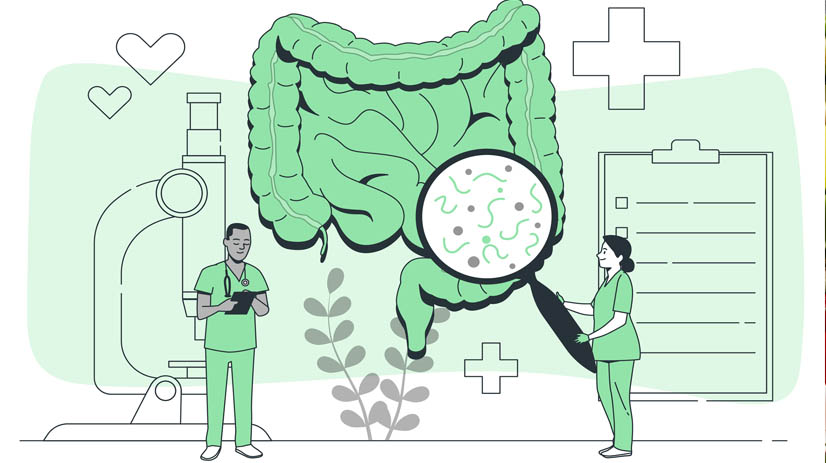
Even with a focus on gut-friendly foods and healthy habits, many people still experience digestive issues from time to time. Understanding these common problems and knowing how to address them can help you maintain optimal gut health. Let’s explore some prevalent digestive issues and practical solutions to alleviate them.
Bloating
Bloating is a common complaint that can result from various factors, including diet, eating habits, and gut health. It often occurs when excess gas builds up in the digestive tract. To combat bloating:
- Identify Trigger Foods: Keep a food diary to track what you eat and when bloating occurs. Common culprits include beans, lentils, cruciferous vegetables (like broccoli and cauliflower), and carbonated drinks.
- Eat Slowly: Eating too quickly can lead to swallowing air, which contributes to bloating. Take your time during meals, chew thoroughly, and savor each bite.
Constipation
Constipation can be uncomfortable and frustrating. It often results from a lack of fiber in the diet or inadequate hydration. To promote regular bowel movements:
- Increase Fiber Intake: Incorporate more fiber-rich foods like whole grains, fruits, vegetables, and legumes into your diet. Aim for at least 25 grams of fiber per day.
- Stay Hydrated: Drinking enough water is essential for softening stool and promoting regularity. Aim for at least eight glasses of water daily.
Diarrhea
Diarrhea can be caused by various factors, including infections, food intolerances, or stress. If you experience frequent diarrhea, consider the following:
- Identify Food Intolerances: Common intolerances include lactose (found in dairy) and gluten (found in wheat). Pay attention to how your body reacts after consuming these foods.
- Stay Hydrated: Diarrhea can lead to dehydration, so it’s crucial to replenish lost fluids. Drink plenty of water or electrolyte-rich beverages.
Acid Reflux
Acid reflux occurs when stomach acid flows back into the esophagus, causing discomfort and heartburn. To manage acid reflux:
- Avoid Trigger Foods: Common triggers include spicy foods, citrus fruits, chocolate, caffeine, and fatty foods. Identify which foods exacerbate your symptoms.
- Eat Smaller Meals: Large meals can put pressure on your stomach and increase the likelihood of acid reflux. Opt for smaller, more frequent meals throughout the day.
By recognizing these common digestive issues and implementing practical solutions, you can take control of your gut health. Remember that everyone’s body is different; what works for one person may not work for another. If digestive problems persist or worsen, consider consulting a healthcare professional for personalized advice.
In the next section, we’ll delve into the gut health benefits that come from maintaining a balanced microbiome and adopting healthy habits.
Gut Health Benefits: Why It Matters
Maintaining good gut health is not just about avoiding digestive issues; it plays a crucial role in your overall wellness. The benefits of a balanced gut microbiome extend far beyond digestion, influencing various aspects of your physical and mental health. Let’s explore some of the key gut health benefits that highlight why it matters so much.
Improved Digestion
A healthy gut is essential for efficient digestion and nutrient absorption. By consuming probiotics and gut-friendly foods, you can support the growth of beneficial bacteria that help break down food, making it easier for your body to absorb essential nutrients. This can lead to fewer digestive issues, such as bloating, gas, and constipation.
Enhanced Immune Function
Did you know that a significant portion of your immune system resides in your gut? A balanced microbiome helps regulate immune responses and protects against harmful pathogens. By prioritizing gut health through probiotics and a diet rich in fiber and prebiotics, you can strengthen your immune system and reduce the risk of infections.
Better Mental Health
The gut-brain connection is a fascinating area of research that shows how gut health can impact mental well-being. Studies suggest that probiotics may help alleviate symptoms of anxiety and depression by influencing neurotransmitter production, such as serotonin—the “feel-good” hormone. By nurturing your gut with probiotics and gut-friendly foods, you may experience improvements in mood and overall mental health.
Weight Management
Emerging research indicates that gut health may play a role in weight management. A balanced microbiome can influence how your body processes food and stores fat. By focusing on a diet rich in probiotics, fiber, and whole foods, you may find it easier to maintain a healthy weight.
The benefits of maintaining good gut health are profound and far-reaching. By prioritizing probiotics, incorporating gut-friendly foods into your diet, and adopting healthy lifestyle habits, you can unlock a healthier, happier version of yourself.
The connection between gut health and overall wellness is undeniable. By understanding the vital role that probiotics and gut-friendly foods play in maintaining a balanced microbiome, you can take proactive steps toward enhancing your health. From improving digestion and boosting your immune system to supporting mental well-being and aiding in weight management, the benefits of nurturing your gut are extensive.
Incorporating a variety of gut-friendly foods—such as fermented products, prebiotic-rich fruits and vegetables, and fiber-packed whole grains—into your daily diet is essential. Additionally, adopting healthy lifestyle habits like staying hydrated, managing stress, and getting regular exercise will further support your digestive health.
Remember, maintaining good gut health is a journey that requires attention and care. By prioritizing probiotics and making informed dietary choices, you can unlock a healthier, happier version of yourself. Take the first step today by exploring new recipes, trying out fermented foods, or simply being mindful of what you eat. Your gut—and your overall wellness—will thank you!
Frequently Asked Questions (FAQ)
Yes, yogurt is an excellent source of probiotics that help maintain a healthy gut balance. Look for varieties labeled “live and active cultures” to ensure you’re getting beneficial bacteria.
Common fermented foods include yogurt, kefir, kimchi, sauerkraut, miso, tempeh, and kombucha. These foods are rich in probiotics and can be easily incorporated into your diet.
Whole grains are high in fiber, which promotes regular bowel movements and supports the growth of beneficial gut bacteria. Foods like brown rice, quinoa, oats, and whole wheat bread are great options.
Turmeric contains curcumin, known for its anti-inflammatory properties that can soothe the digestive tract and promote overall gut health.
In addition to a balanced diet, regular exercise, adequate hydration, stress management techniques (like yoga or meditation), and sufficient sleep are essential for maintaining gut health.