Sleep Tech Gadgets: Do They Really Help You Sleep Better?
by Kedar Mallick · 13 December 2024
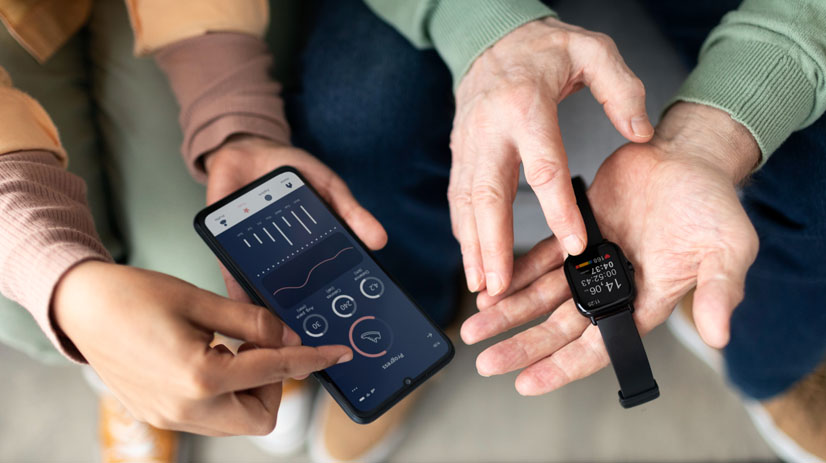
In our modern and dynamic society, people don’t care much about sleep as it is outcompeted by other activities. There are millions out there who suffer from sleep problems, from inability to fall asleep to waking up tired. Along with the increased awareness of the need for quality sleep the attention towards sleep technology and gadgets that can aid in the process is constantly rising. From the ability of the sleep trackers that record one’s sleeping cycles to the sleep apps that come with calming exercises, all these gadgets claim to fit into the purpose of improving our slumber.
But do they really work? These gadgets are perhaps a trend, maybe they can actually contribute to better sleeping patterns. In this article I will further discuss the performance of different sleep tech devices, focus on the customers’ interactions with those innovations, as well as discuss the issues of data protection. We will also discuss other options as forms of sleep gadgets that can promote better sleep hygiene.
So over the course of exploring theSleep Science kingdom, the guide shall also reveal what is functioning and what non-functioning goods. Whether you are here to learn more about the latest sleep tracking devices or interested in the effects of technology on sleep, the present article is at your service. Okay, let’s start exploring sleep tech gadgets and answer the question, whether such appliances really make our nights better.
What Are Sleep Tech Gadgets?
There is a great number of sleep tech gadgets that people can use for improving and monitoring their sleep. First and foremost, these tools are intended to apparently give you information regarding your sleep quality and identify potential impediments to good night’s rest.
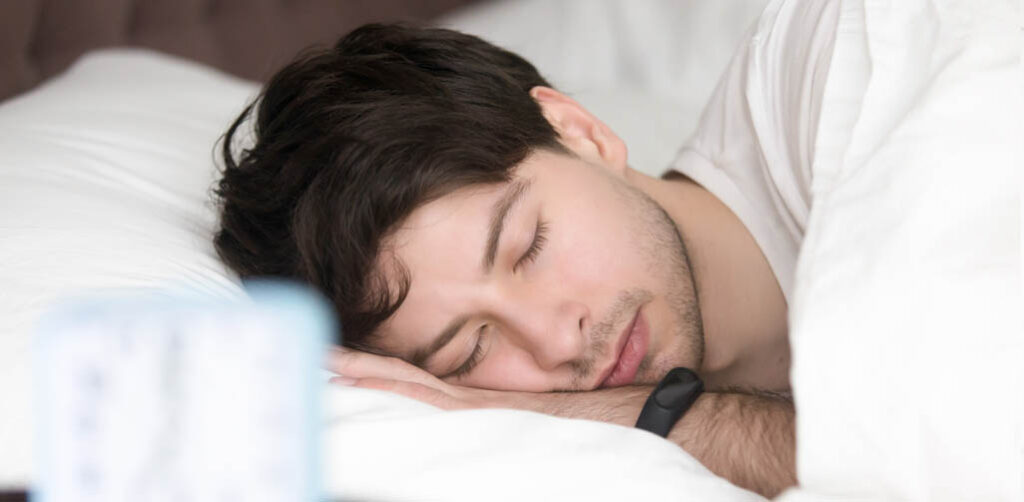
Sleep monitors are possibly the most recognized type of sleep technology devices. These gadgets are usually in form of wrist worn like a watch or incorporated within a fitness wrist band and monitors parameters like heart rate, physical activity, and even blood oxygen level. From this, they can determine the duration of your stay in the various stages of sleep that are; light, deep and REM. They are the Fitcharge series with many users have reported positive experiences with regards to its accuracy and the Oura Ring.
Apart from wearables, there are a variety of sleep applications that are found in smartphones. These applications provide functions which include; sounds that help people sleep, voice that guides people through sleeping, breakdown of sleep data. Most apps synchronize with different wearable devices to offer you a general report on your nightly rest. For instance, Sleep Cycle is not only an application that monitors your sleep, but is also capable of waking you up during your most beneficial phase, so you will have more energy.
The two other new forms of sleep technology that has emerged are smart mattresses and bedding. In other words, these products have been developed to sense more about your body’s conditions and thus change the firmness and temperature of the bed accordingly at night. That is why such brands as Tempur-Pedic and Eight Sleep lead the market in these aspects, as they could provide features to improve the quality of sleep due to making the atmosphere around more comfortable.
Of course, these gadgets help improve sleep quality and recognize that they are not a cure for sleep problems. It can be very useful to monitor your sleeping pattern and find what you need to polish with, but these tools are best used with good sleep hygiene. For example, going to bed at the same time every day and organizing a suitable sleep environment are fundamental aspects of the practitioners’ recommendations.
In conclusion, there is an extensive assortment of sleep tech gadgets – here we can name wearable devices, applications, and smart bedding. Examining this issue further in the following section, we should mention how some of the analyzed tools can complement the overall strategy of enhancing your night sleep quality.
How Effective Are Sleep Tech Gadgets?
But what about sleep tech gadgets? One of the most important questions that can be formulated regarding gadgets is their efficiency. Today we are asking questions about these devices, And can they genuinely enhance your sleep quality or are these just entertaining gadgets? So, to answer this we’ll have to turn to scientific literature and people’s testimonials.
Many studies can be found, which focused on the efficacy of sleep tracking devices and applications. Studies show that a lot of these devices are useful in providing information about the amount of sleep a person has had and the quality of that sleep. For instance, consumer wearables studied in the journal Sleep showed that the devices were reliable in comparing with polysomnography, the best measure of sleep. However, even these gadgets can give quite useful information, though it should not be considered absolutely perfect in 100% of cases. These include the patient’s movement during sleep or even type of mattress they use in their bed.
Experiences of the users are also valuable when determining the effectiveness of an innovation. Over various surveys, most individuals found significant changes of the sleep quality when they use sleep tech gadgets. For example, users claim that monitoring their sleep allows them to understand which factors should be eliminated to have proper sleep at night. So from their data, they decide to take the necessary precautions to improve their sleep such as going to bed early or avoiding caffeine in the afternoon.
Another common trend of many sleep applications is that they allow setting up individual preferences in accordance with the gathered information. For instance if the user gives feedback of having low quality sleep after extended use of the screen the app may recommend use of a time limit before bedtime or even having a relaxing routine before bed. The idea of individualised approaches brought to this case can help users to change their sleeping patterns for the better.
Nevertheless, it must be underlined that all of these gadgets can improve your awareness of your sleep cycle but cannot substitute for professional diagnosis. There is a need to discuss this with your healthcare provider if you think you have a chronic sleep disorder like insomnia or sleep apnea. Sensors such as sleep tracking gadgets can indeed be beneficial products to monitor your status, but should not be relied on to get expert conclusions.
Another factor to look at is the effect from the psychological point of view, of using such gadgets. For some, having a tracker just makes them more inclined to pay more attention to sleep in general. From this perspective, learned awareness might result in enhanced sleeping behaviour, and practices that are otherwise beneficial to sleep.
To conclude, sleep tech gadgets are not some type of a magic pill, but instead they can form helpful aids in your quest for better night’s sleep and the tool to better comprehend your sleep cycle. These discoveries, coupled with the means of improved life health and excellent sleep etiquette brings lot of users enhanced better sleeps so they contend. When moving further into the discussion, further important aspects regarding data protection of those devices will also be discussed. The next chapter is called “Data Privacy Issues with Sleep Technology.” If you want me to go on, then let me know!
Data Privacy Concerns with Sleep Tech
People are becoming skeptical about the gadgets that cover their sleep as more gadgets in the sleep tech category hit the markets. These devices harvest loads of personal data, not to mention health data such as heart rate, sleep cycle and the general location. Although this data is hugely beneficial when looking to enhance the quality of sleep, it also poses significant questions touching upon storage, application and sharing of this information.
Sleep trackers and apps nearly always compel users to create accounts and in the process the apps may ask for the users’ email addresses and in other cases the users’ health details. This information is potentially at risk of leaks or being misused in case adequate protective measures are not employed. A report conducted by the Electronic Frontier Foundation pointed out that the majority of mHealth applications fails to provide proper protection for the customers data as well as the ways in which the data will be utilized and processed raises questions about further privacy invasions.
However, some sleep tech gadgets companies might be interested in selling user data collected from the gadgets to advertisers or researchers. Such practice may be worrisome to users who would wish to maintain anonymity while accessing their health info. It means that one should read the privacy policy of any device or app before investing in it or using it for quite some time. Ensure that you have information concerning how your data will be handled and whether it will be forwarded or in other words shared with a third party.
To mitigate these risks, consider the following best practices when using sleep tech gadgets:
- Choose Reputable Brands: Choose vendors with whom you and your audiences are familiar and whose platforms respect users’ privacy and share clear policies. Search for how other customers have commented on it and lastly, do a quick search if they have had any incidents of data breaches.
- Adjust Privacy Settings: It must be understood that most of the apps come with options to set privacy parameters. You should use those options to control the amount of data that is shared and to block those with whom you do not wish to share your information.
- Be Mindful of Permissions: Some apps request for permission to access things like contacts, messages etc when you are downloading a sleep app, be careful with the permissions requested. If an app wants permission to access more than it needs (for example your contacts or your location), then look for other apps that can do the same thing but need less information.
- Regularly Review Your Data: A number of gadgets let you see the data and information they are collecting. Reading through the information posted here can help update you on what is being monitored and collected or shared.
- Consider Alternatives: If privacy is an issue that can be a problem, then you might want to look for ways other than technology to help improve sleep hygiene. With no dependence on such gadgets, there are things like mindfulness meditation, regularity in going to bed and other such practices that can help improve sleep.
All in all, sleep tech gadgets are promising to change the way we sleep for the better in many ways but their users are to remember about their right to privacy. Knowledge of these devices and putting measures to safeguard oneself conform them though they are very useful in our daily lives then you can be able to take advantage of the gadgets and appliances and at the same time ensure that your data is not easily accessed by anyone in the process of sharing data collection.
Alternatives to Sleep Gadgets for Better Sleep
Many of you have a sleep tracker or use sleep apps which can be helpful in understanding your sleeping patterns more closely, but it doesn’t mean you are out of choices for getting better night’s sleep. Thus, there are many efficient substitution strategies that call for improvement of sleep promoting routine and optimization of the sleeofe environment without using technology. Below are examples of things that may assist you to get a better sleep in a natural way.
Establish a Consistent Sleep Schedule
This means that it is important that one gets to sleep at the same time every day, and wakes up at the same time every day. Early to bed and early to rise makes health and your body clock’s rhythm easier to rise. Adults need between 7 to 9 hours of sleep per day, and ideally, persons must adhere to this quantity, including the weekends.
Create a Relaxing Bedtime Routine
It’s useful to cultivate a relaxing bedtime ritual which can help your body realize that it’s time to get some rest. They include things like: reading books, taking a warm bath, or practicing gentle stretching like some forms of yoga do. Educate yourself on the best practices to adopt before a sleep such as, watching Television or using the telephone and social media as these activities will hinder your sleep.
Optimize Your Sleep Environment
Your bedroom should be a place mostly dedicated to sleep. Consider the following tips to create an ideal sleeping environment:
- Comfortable Bedding: Make sure you have a good quality mattress and pillows that will ensure you have the right sleeping position.
- Control Light and Noise: To eliminate the disturbance from external light, it is recommended to close the curtains or use the dark shade of the cloth while sleeping, in case of noise disturbance one can use the ear plugs or machines that generate white noise.
- Maintain a Comfortable Temperature: Some statistics show that the majority of persons obtain well-being sleeping temperature at around 60-67°F (15-19°C). Control the overhead lights or try a fan as required.
Limit Caffeine and Alcohol Intake
Caffeine directly decreases sleep quality and alcohol affects your sleep indirectly, thus it is two key factors which reduce such quality. Finally caffeine, it is best to avoid afternoon and evening as it’s known to help you stay awake. And although alcohol will make you tired, it does not really help you to get a good night’s sleep after a couple of hours. Both substances should ideally be consumed in minimal amounts and definitely not close to the night.
Incorporate Relaxation Techniques
Practicing relaxation techniques can significantly enhance your ability to fall asleep. Consider incorporating methods such as:
- Mindfulness Meditation: It helps you take your mind off things that are stressing you and makes your mind relax.
- Deep Breathing Exercises: It is as easy as taking deep breath ; this will help relieve stress and ease the body into sleep.
- Progressive Muscle Relaxation: This technique involves pulling and then releasing muscles on your body, which is helping in alleviating tensions and embracing relaxation.
Stay Active During the Day
Evidently, exercise can help you to have better quality of sleep. Adults should get at least 30 minutes of moderate exercise each day, at least five to six days a week. However, avoid intense workouts in close proximity to bedtime because they tend to energize above putting you to sleep.
In conclusion, there are many useful tips for better sleep which are not connected with a help of technological devices and some gadgets of sleep tech are efficient too. Here, I have outlined strategies by which you can adapt to and establish a workable environment for rest and meaningful changes towards fruitful sleep.
The Future of Sleep Technology
Thus, the examined trends let suggesting that rather soon the range of sleep tech gadgets will continue to develop and provide new opportunities for improving the quality of sleep. Further innovation in the industry means that new sleep technologies promise to revolutionise the way we sleep and be healthy.
Integration of Artificial Intelligence
AI seems to be one of the most relevant trends when it comes to sleep tech gadgets. Based on individual sleep schedules, AI algorithms can then calculate values to deliver profound insights into sleep using big data. For instance, future sleep apps might monitor not only sleep, but also analyze it to make changes in your bedtime schedule or other aspects of your life that would improve your sleep.
Advanced Sleep Monitoring
The software of the next generation of sleep trackers promises more accurate monitoring of the function. Advances in sensor technology can help these devices monitor further parameters for individuals, including respiratory rate, and body temperature, and maybe give a better picture of your sleep health. It could, therefore, be easier to diagnose sleep disorders if this data is collected earlier before they full-blown.
Personalized Sleep Solutions
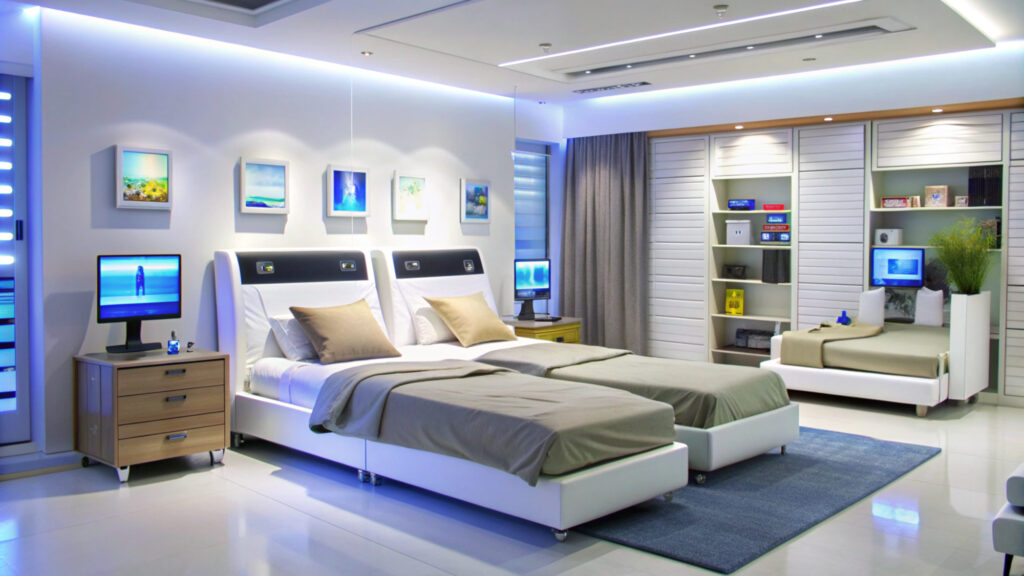
The future trend is the development of even more specific approaches that will allow catering for the needs of each person. For example, smart mattresses could start catering for the firmness and temperature based on such information as the sleep stages or movements during the night. Such a degree of personalization might potentially enhance users’ comfort and, therefore, their night’s rest quality.
Enhanced Data Security Measures
Due to continuously developing issues regarding personal data protection in the sphere of sleep technologies, manufacturers are to focus on the improvement of protective measures. You may expect to witness meatier encryption techniques and fence clearer privacy policies giving disclosure of the ways in which the data of the users is gathered, conserved and delivered. The consumers’ trust and loyalty are likely to be achieved if the companies embrace transparency in their operations.
Holistic Approaches to Sleep Health
The advances in sleep technology may also expand future sleep technology concepts beyond their current focus on sleep disorders. This could include adding mental health resources that include simple elements from sleep apps that feature guided meditation or CBT tools that after being developed for use in dealing with insomnia . As the heart of our application focuses on both the physical and mental aspects of sleep, such tools can offer extensive and more comprehensive support to users.
In conclusion, sleep tech gadgets that are to be found into the market have a bright future for the fact they can help improve sleep quality and develop better sleeping habits. Future advancement in AI, continual e-monitoring, and individualized solutions signal our way toward a new age in which technology is even more essential for good night’s sleep and good health.
Best Sleep Tracking Devices on the Market
In terms of enhancing your sleeping health, there isn’t a better gadget than a well-functioning sleep tracker. This we understand makes it difficult to distinguish between devices that are worthy of time and your hard earned money. Below is a brief overview of the leading sleep tracking devices available today that seeks to bring out the features, the bonuses as well as the general performance of the devices.
Oura Ring
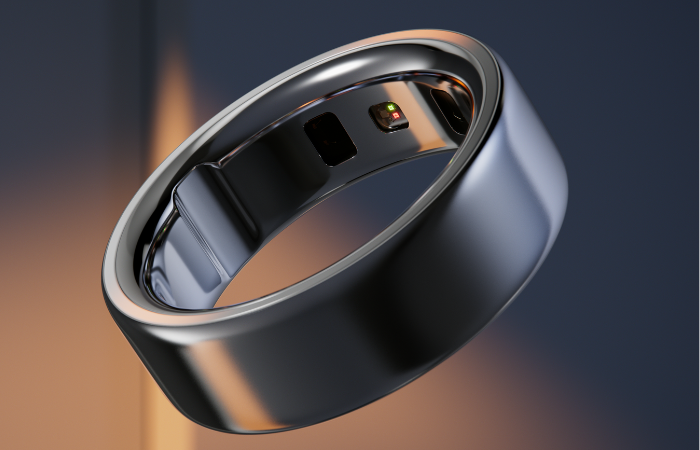
The Oura Ring is a modern attractive accessory that has become a built-in favorite for its ability to track everything. Some of the aspects include, Kilohertz analysis of the bodily rhythms, Temperature, and Sleep phase. And one of them called Sleep Score can be described as an overview of the amount of time spent in sleep and the quality of it. Its accuracy makes it popular among users, due to the detailed information provided on users sleep patterns or lack thereof.
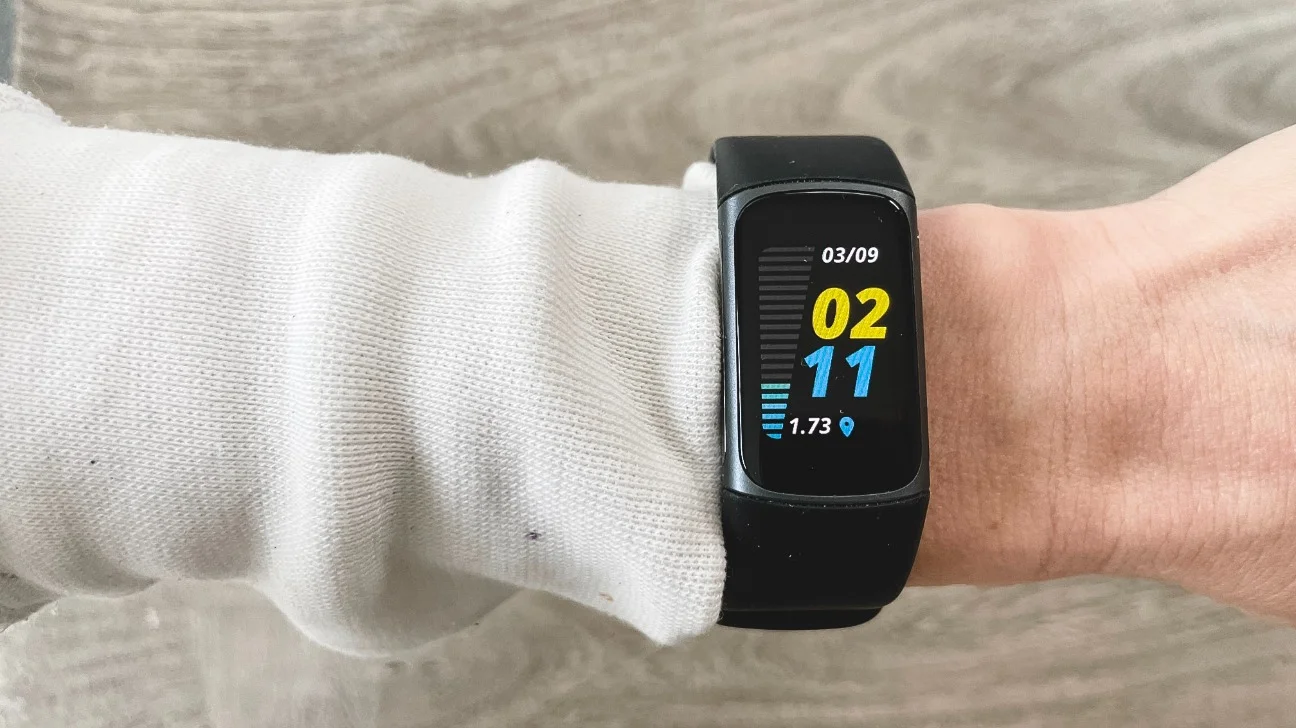
Fitbit Charge 5
Subsequently, Fitbit is a company famous for fitness and health tracking devices, and the Charge 5 could not be different. This fitness tracker has sophisticated sleep tracking measurement tools that assess the stage of your sleep and suggest changes. The device also includes breathing exercises for the user to follow to enable them fall asleep. However, its simple design is appreciated by many users and the ability to connect with the application for even more detailed information about a user’s health, including the data about their sleep.
Apple Watch Series 8
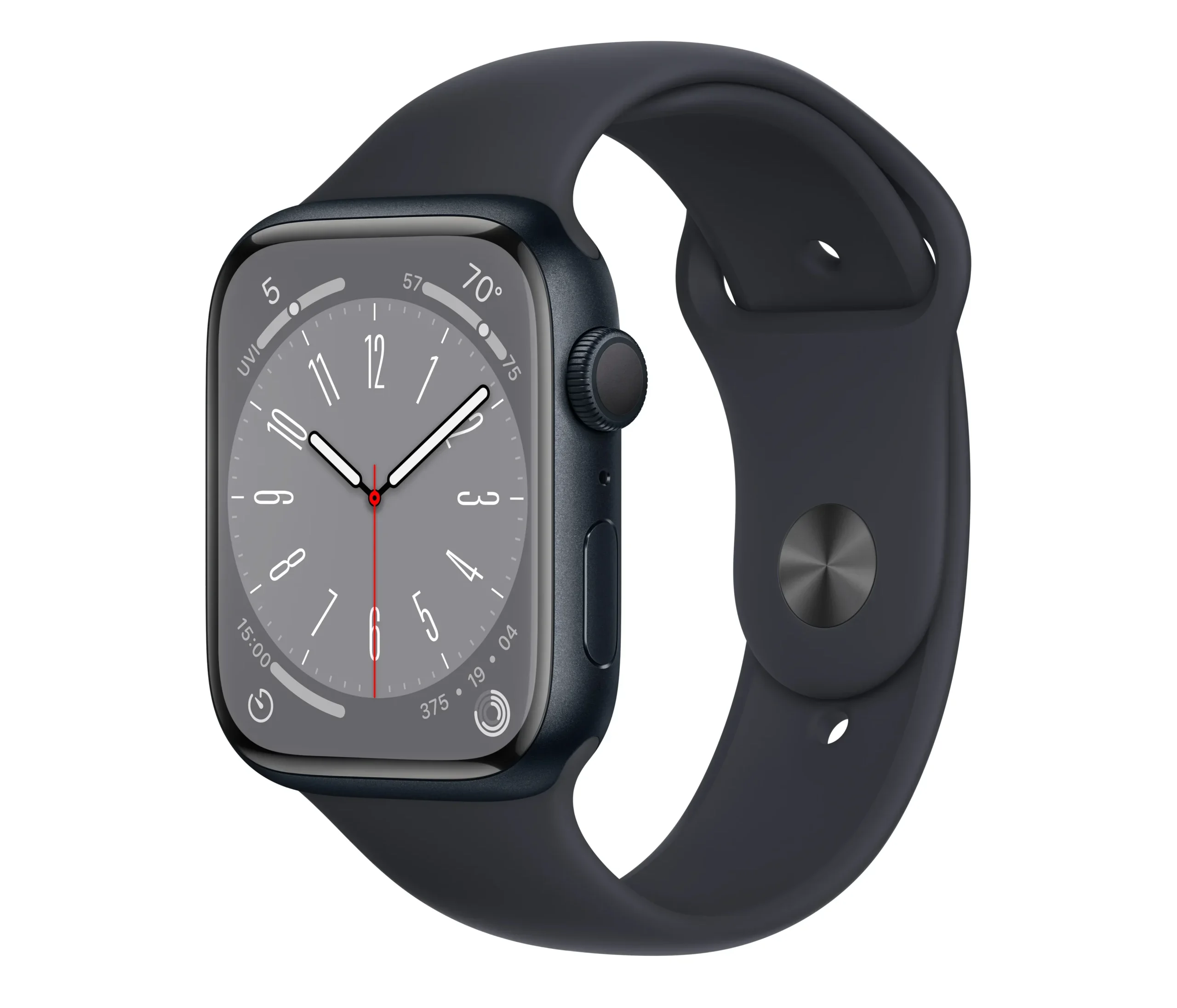
In this case, the virtues of the Apple Watch Series 8 include fitness tracking alongside great sleep monitoring for the Apple fanatics. It monitors the time that you sleep and gives an analysis of your sleep period through the use of the Sleep app. Other features like Wind Down which are crafted specifically to foster improved sleep behaviours are part of the Apple Watch. People like that it is compatible with other apple devices and that the watch has plenty of health related functions.
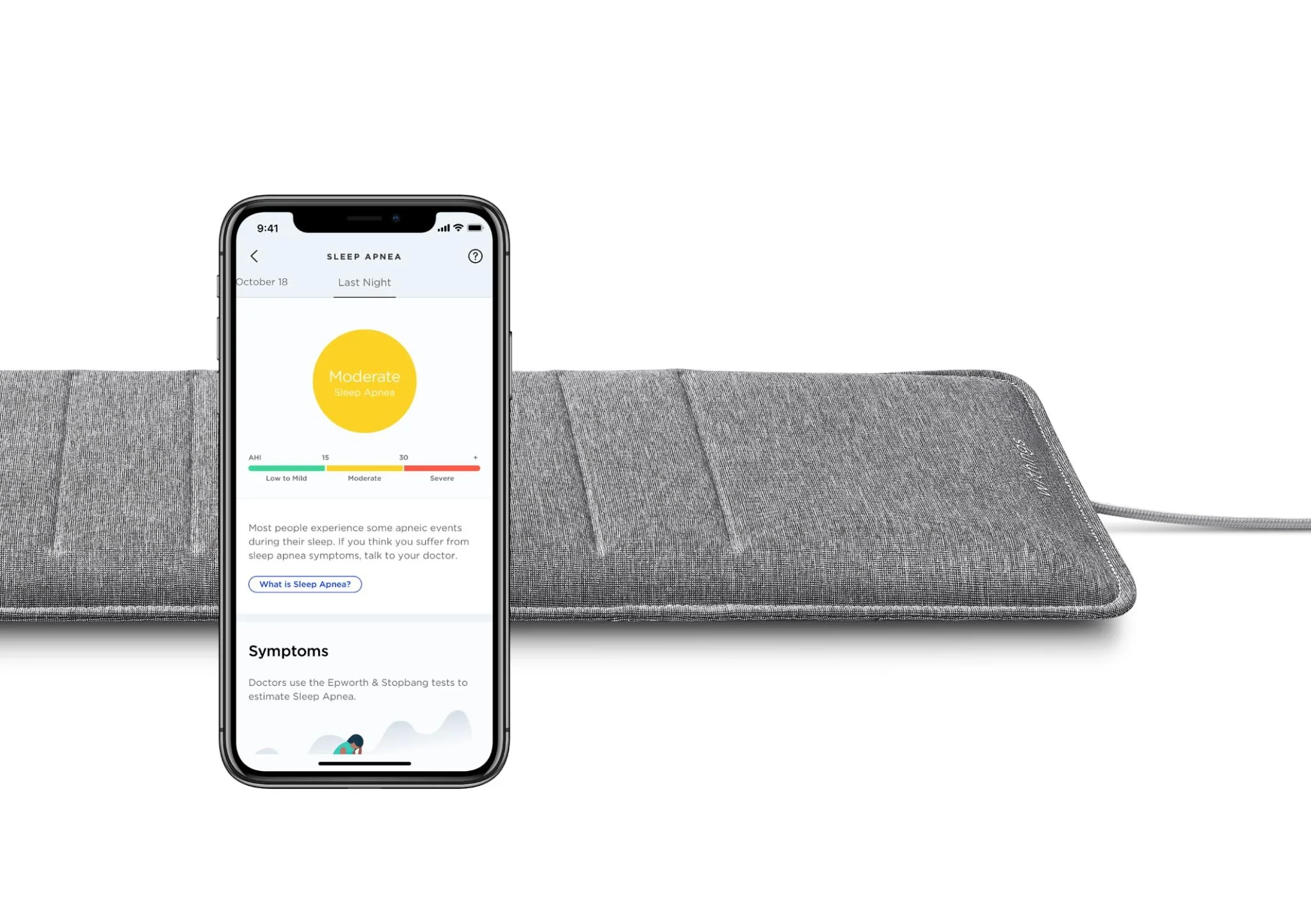
Withings Sleep Tracking Mat
If you would rather not have a device on your body whilst sleeping, then the Withings Sleep Tracking Mat is the next best thing. This means that this mat is placed under your mattress and follows your sleep cycles, pulse rate, and respiratory events without physically touching you. It also comes with an app that goes further to describe the quality of your sleepthrough main features that many users consider convenient and accurate, especially for those who do not wish to wear anything on their head all night.
Sleep Number Smart Bed
For people willing to spend on a technologically wealthy mattress, the Sleep Number Smart Bed has additional features that control your desired comfort level and monitor your sleeping patterns. One of the peculiarities is that this bed is designed to introduce sensors that control your sleep cycles and offer you the option regarding improving it. Everyone is raving of this bed granting the comfort and the possibility of adjusting the texture of both sides of the bed for that couple who has different comfort inclinations.
To that end, selecting an appropriate sleep tracking device can greatly affect the capacity to make progress toward better sleep and health in general. All of these devices provide specialized options depending on the user’s requirement either the Oura Ring as a wearable or Sleep Number as a smart bed. These tools combined with good sleep hygiene you can make efforts toward having good night sleep and wake up fresh every morning.
In this review of sleep tech gadgets, we have learned a lot about how these devices might affect our sleep. There are many gadgets out there to help us get better sleep, from tracking devices and applications to high-tech mattresses. Although these devices give an insight on how we sleep, the information gathered is perfect when integrated with good practices.
Knowledge of how to use these gadgets can help equip you with the right knowledge to change your sleeping patterns. Whether or not a couple uses the results from a sleep tracking device or establish a fixed bedtime, the aim is to ensure that the couple get restorative sleep. But one must actively think about data privacy issues that may be tied to it and other such technologies. Choosing popular brands and being vigilant about your data will help you to benefit from sleep tech without having to worry about unauthorized access to your personal data.
When we consider the future of sleep technology it is evident that the solutions for getting better sleep will only get better and more tailored. As AI and accurate monitoring abilities get incorporated into the devices, informing and interpreting our sleep patterns, could be anticipated.
Overall, it is important to take care of one’s self – to either invest in sleep technology or to try out the old fashion techniques of getting a good night’s rest. Incorporation of technology to good sleep hygiene practices can therefore set a pace for better sleep as well as healthier living. Here is 2 weeks of restful nights and energetic mornings!
FAQ:
- Yes, many users report improved sleep quality through insights provided by these gadgets. They help identify patterns and triggers that disrupt sleep, allowing for informed adjustments.
Some highly rated options include the Oura Ring, Fitbit Charge 5, and various smart mattresses like Sleep Number that offer comprehensive tracking features.
Yes, many devices collect sensitive health data. Users should review privacy policies and consider how their data is used before purchasing.
Alternatives include practicing good sleep hygiene, such as maintaining a consistent bedtime routine, creating a comfortable sleeping environment, and using relaxation techniques like meditation.
While many trackers provide useful insights into overall sleep patterns, they may not be as accurate as clinical methods such as polysomnography for determining specific sleep stages.