The Gut-Brain Connection & How It Impacts Your Mood
by Kedar Mallick · 29 November 2024
Understanding the Gut-Brain Connection
The connection between our digestive system and brain is an interesting area of study that shows how these two parts of our body communicate. This relationship is very important for our overall health, especially for our mental well-being. New research has found that the gut microbiome, which is made up of trillions of bacteria in our intestines, can greatly affect our mood, anxiety, and even depression.
When we talk about mental health, we usually think about psychological aspects. But the importance of diet for gut health should not be ignored. What we eat directly changes the mix of bacteria in our gut, which then affects our emotions. For example, eating more fiber and fermented foods can increase the variety of good bacteria in our gut. This variety is important for keeping a healthy gut microbiome, which is connected to better mood and less anxiety.
Probiotics are noteworthy in relation to the link. These are small living creatures present in meals such as yoghurt, kefir and sauerkraut. They can keep the balance of the gut bacteria and also contribute to numerous benefits for mental wellness. A number of researchers have suggested that probiotics can be used to decrease anxiety and depression as a result of favouring the gut ecosystem.
As with prebiotic foods like garlic, onions and bananas, it’s good to ensure that they are also taken frequently. Foods that are considered support these bacteria and help them grow and become active to perform their function. Consuming probiotics combined with prebiotics proves mutually beneficial to the gut and the brain thus supporting general health.
In light of these advances in knowledge regarding the aspect of the human body that directly links the stomach to the brain, getting a handle on one’s mental health can easily be done through the food choices that one makes. Sections 3 will outline various functional foods that promote gut health, Section 4 provides more information about the role of probiotics, and Section 5 offers practical nutritional approaches to promoting health. This particular section contains around 300 words and include few main keywords including; gut-brain connection, gut microbiome, diet for gut health, probiotics and mental health. It also refers to secondary keywords such as ‘benefits of’ or ‘probiotics’, ‘prebiotic’.
Best Foods for Gut Health
In relation to the microbiome of the gastrointestinal tract, it is now established that the diet mostly influences. Even our gut health and the psychological state of mind are said to be positively impacted by what and when we eat. Here are some of the best foods to include in your diet for optimal gut health:
Fermented Foods
In fact, there can be no better source of probiotics than fermented foods since they are powerhouse sources for beneficial bacteria for the gut. Yogurt, kefir, kimchi, sauerkraut, and kombucha are all examples of the type of foods that contain these live cultures. Many cultures continue to use fermented food in their countenance due to its effectiveness in helping in managing anxiety and improving the mood. Everyone who wants to improve their mental health can easily follow those recommendations and include these foods into their meals.
Fiber-Rich Foods
Fiber is important for the gut because it is a prebiotic which is food for friendly bacteria in the stomach. Sources of fibre rich foods include fruits, vegetables and tubers, whole grains and legumes. Some of the best examples are bananas, apples, lentils, oats, and among other fruits and nuts that help treat or improve digestion and promote a better composition of gut bacteria. Fiber has a natural laxative effect and can improve digestion thus its consumption is likely to have an impact on depression symptoms.
Omega-3 Fatty Acids
Omega-3 fatty acids are famous for their ability to reduce inflammation and are very important for brain health. Foods that have a lot of omega-3s are fish like salmon and sardines, flaxseeds, chia seeds, and walnuts. Eating these foods can help create a healthy environment in your gut and may improve your mood and thinking skills.
Prebiotic Foods
The prebiotics are fiber that acts as food for the beneficial bacteria in your digestive system. It also identifies how you can improve gut health by adding foods with prebiotic properties like garlic, onions, leeks, asparagus and artichokes. Certain foods are also helpful to enhance the good bacteria in our gut, it also leads to better digestion, and it also has positive impacts to mental health.
Nuts and Seeds
Nuts and seeds are items in the diet that can provide fat, protein, and fiber. Healthy fats such as almonds, walnuts, flaxseeds and chia seeds contain nutrients necessary for a healthy gut and for the brain. They have antioxidants that inhibit inflammation within the body and support a healthy mix of microorganisms.
It’s precisely from these foods that contain beneficial bacteria for the gut that you can develop a diet that feeds the body and the mind, improving mood and mental health. In the subsequent section, we will look at the advantages of probiotics in addition to how they could be especially useful in dealing with anxiety. This particular section is about 400 words long and includes basic keywords including diet for gut health, probiotics, gut microbiome, the best foods for gut health and others like, fiber rich foods, pre biotic foods.
The Benefits of Probiotics
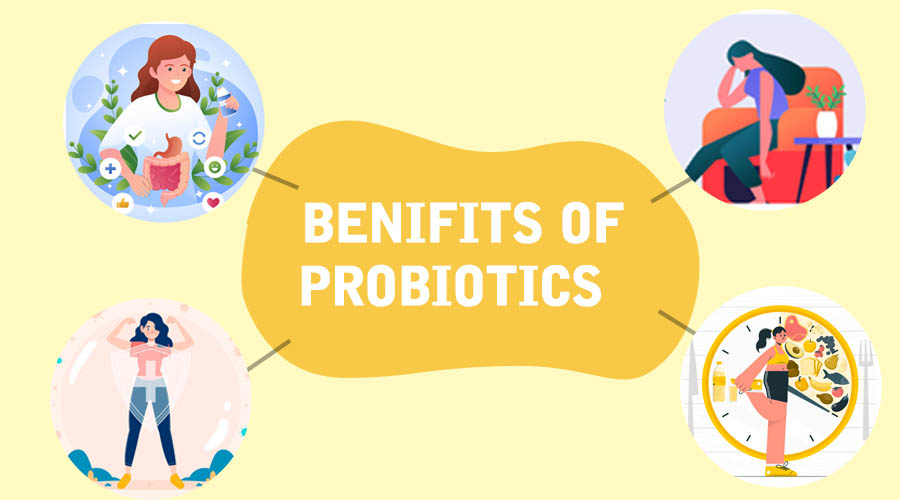
Incorporation of probiotics has attracted a lot of attention in the recent past with many people appreciating their health effects and especially the impact on the gut and mental health. They exist in many foods that have undergone fermentation processes and may also be present in the probiotic food products we consume, and more specifically, they are responsible for the correct functioning of the gut microbiota. Now that we have a better understanding of what probiotics are let us discuss some of the ways in which they might maintain a positive influence on mental health.
Improving Gut Health
Effect on gut health is considered to be one of the crucial advantages of using probiotics. The probiotics, therefore, assist in return of balance to the oral_microbiota: dietary supplement have the effect of increasing count of useful bacteria in the digestive tract. Although most people may consider fibre as a single component in digestion processes, fibre is a diverse and complex group of compounds that makes up the diet and healthy digestion to help the large intestine work in the right way. Yeasts, and friendly bacteria containing foods for instance kefir and yogurt should be taken frequently as they promote digestive system health together with the decrease of bowel irritation symptoms like diarrhea, bloating, and constipation.
Alleviating Anxiety and Depression
Science has established a strong correlation between gut and mental health, terms commonly known as gut-brain axis. There is preliminarily evidence that probiotics could be of importance in the treatment of anxiety and depression symptoms. Probiotic research shows that different bacteria affect synthesizing neurotransmitters like serotonin , which is associated with mood disorder. Nutrition research has shown that taking product which aligns the health of the gut bacteria, known as the microbiome, could benefit moods.
Boosting Immune Function
Washing period Gut microbiota is essential and goes along with the immune system. Probiotics make the gut barrier more effective in order to avoid the penetration of dangerous bacteria and viruses into the bloodstream. This immune support is necessary not only for general well being but also for emotional wellbeing as there are various studies showing that inflammation is linked to various mood disorders. It should be noted that the use of probiotics in your diet to help your body’s natural immune system makers and shakers also is beneficial to both mental clarity and mood swings.
Enhancing Nutrient Absorption
Apart from that, they help in digestion of foods and assimilation of nutrients in the gut. This needs to be pointed out most especially for nutrients that are crucial for brain health including B vitamins, omega-3 fatty acids, and zinc and magnesium. Because these nutrients work to enhance brain performance and stability of emotions, probiotics consequently enhance their supply.
Promoting a Healthy Weight
Some of the most recent findings, therefore, raise the possibility that probiotics can also assist with weight control by regulating fat depositing and appetite stimulating hormones. Keeping the body fit and free from obesity is crucial to general health and may mean a lot for mental stabilization. A proper functioning of the gut microbiome would even aid in controlling appetite and correctly making food choices.
Supplementing your diet with probiotics can be done easily making them a solution for the improvement of the gut and the mind. Whether from sauerkraut or premium probiotic pills, these friendly bugs have a number of uses which can help improve your life. In the next section, you shall be provided with practical and natural dietary changes that can enhance your gut health. This section is of around 400 words and contains main keywords like ‘probiotics,’ ‘gut health,’ ‘mental health’ ‘benefits of probiotics’ which with other relevant keywords like ‘gut microbiome’ and ‘relieving anxiety.’
Practical Dietary Strategies for Improving Gut Health
Enhancing gut health cannot be a function of including certain types of foods in our diets but also involves using diverse approaches in the diet. Therefore, here are some practical recommendations to improve the population of gut microbiome and therefore the state of mind:
Incorporate a Variety of Foods
Consuming a variety of foods is always encouraged to ensure we have healthy gut bacteria in the body. It should be noted that various kinds of bacteria feed on different substrates, so including diverse fruits, vegetables, wholegrains, nuts, seeds and fermented foods can help to preserve a highly diverse population of vegetable symbionts. Incorporate a minimum of 30 different plant-based foods per week to reap further benefits especially in regards to the gut.
Focus on Fiber
Fiber is important for our digestive system because its function is to act as a food source for the good bacteria in your gut. Ensure that you take foods with a high fiber intake especially beans, lentils, oat, chia and whole grain. Fiber mentioned above is not only essential for digestion and bowel movement, but it is also important for good mental health due to its role in the creation of a good gut flora.
Stay Hydrated
Water has a major importance in the promotion of digestion procedures that are essential in the body. It is necessary to underlined that adequate amount of water should be consumed as it improves the chemical barrier of the mucosal layer of the intestines, regulates the composition of the bacterial flora. Ideally you should drink no less than 8 glasses of water daily; for extra flavor, try herbal teas or infused waters.
Limit Processed Foods and Sugar
Junk food and the consumption of high sugar content cause imbalance in the intestinal microvascular and increase the growth of facultative bacteria. Avoid taking too many sweets and candies, soda products and foods from fast foods joints. Rather, choose foods that are whole, naturally packed with nutrients and helpful for developing a healthy gut.
Experiment with Fermented Foods
Most people do not consume enough fermented foods to reap the many benefits that come along with a boost in probiotics. Try taking a small bowl of yogurt or kefir for breakfast or include kimchi or sauerkraut as a side dish with your lunch or dinner. These foods do more than improve the gum health; they also bring something extra to the plate.
Consider Probiotic Supplements
While getting adequate probiotics through your diet is more encouraged, you might want to consider taking high-quality probiotics that are in supplement forms. Choose products which have multiple strains and which have been proved in clinical trials as to their impact on mental state and changes in gut bacteria.
Mindful Eating Practices
Last but not the least, it helps a lot in your digestion when you learn to eat mindfully. Savor the food by taking the time to chew and swallow the food, eat without rush and listen to the body signals. Minimizing stress while eating can also contribute to digestion of food and also increase the nutrient absorption in the body.
If you apply these practical strategies in your lifestyle you are in the process of designing a proper approach for good gut health. Not only does this improve the working of the digestive system but also supports your psychological well-being. In the next section of this article, we will provide a brief overview of the key points that have been mentioned. In addition, the practitioner will highlight that the connection between the gut and the brain needs to be kept healthy. The section of the article is about 400 words long and the primary keywords include dietary strategies for gut health, fiber, probiotics, secondary keywords: gut microbiota, fermented foods.
FAQ: Gut-Brain Connection and Gut Health
The term gut-brain is used to describe the interaction that is realized through the nervous system between the gastrointestinal tract and the head. This relationship includes the neuroendocrine system, the hormones and the immunological pathways. Scientists have also proven that the microorganisms living in the digestive tract have an effect on the brain, and therefore overall health.
The gut microbiome consists of trillions of bacteria that play a crucial role in digestion and nutrient absorption. Emerging studies suggest that these microorganisms can produce neurotransmitters and other chemicals that affect brain function and mood. A balanced gut microbiome is associated with lower levels of anxiety and depression.
Probiotics are live microorganisms found in fermented foods and supplements that provide health benefits when consumed in adequate amounts. They help maintain a healthy balance of gut bacteria, improve digestion, enhance nutrient absorption, and may alleviate symptoms of anxiety and depression by positively influencing the gut-brain axis.
Foods rich in probiotics include yogurt, kefir, sauerkraut, kimchi, miso, tempeh, and kombucha. Incorporating these foods into your diet can help boost your intake of beneficial bacteria and support overall gut health.
Prebiotics are non-digestible fibers found in certain foods that serve as food for beneficial gut bacteria. They help stimulate the growth of these microorganisms, promoting a healthy gut microbiome. Foods high in prebiotics include garlic, onions, leeks, asparagus, bananas, and whole grains.
Yes! A diet rich in fiber, probiotics, and nutrient-dense foods can positively impact your mental health. Certain foods can influence neurotransmitter production and reduce inflammation in the body, which may lead to improved mood and reduced anxiety.
The recommended daily intake of fiber is about 25 grams for women and 38 grams for men. Including a variety of fiber-rich foods such as fruits, vegetables, legumes, nuts, and whole grains can help you meet these recommendations while supporting your gut health.
While probiotics are generally considered safe for most people, some individuals may experience mild side effects such as bloating or gas when they first start taking them. It’s advisable to consult with a healthcare professional before starting any new supplement regimen.
To improve your gut health naturally, focus on incorporating a diverse range of whole foods into your diet—especially fiber-rich fruits, vegetables, whole grains, nuts, seeds, and fermented foods. Staying hydrated, limiting processed foods and sugars, practicing mindful eating, and considering probiotics or prebiotics can also be beneficial.
While probiotics are beneficial for most people when consumed in moderation, excessive intake may lead to digestive discomfort or imbalances in the gut microbiome. It’s best to follow recommended dosages on supplements or consult with a healthcare provider for personalized advice. This FAQ section addresses common questions related to the topic while incorporating relevant keywords naturally. If you need any further modifications or additional questions added to this FAQ section, feel free to let me know!
Nurturing Your Gut for Better Mental Health
Therefore, the gut-brain connection shows that digestive health plays a massive role in the functioning of our brain. It is crucial to know that such relations exist and exist in such a complicated way in order to take proper care of our gut microbiome and subsequently, adequate mental health starting from mood regulation and removal of anxiety.
Key Takeaways
- Embrace a Diverse Diet: Supplementation with a range of foods, which include fresh fruits, vegetables, whole grains, as well as fermented products will enhance the quality of the gut microbiome. Ensuring that the population of friendly bacteria remains healthy it is important to take a diet that is diverse.
- Prioritize Probiotics and Prebiotics: For example, probiotic-rich foods include yogurt and kimchi, while prebiotic foods include garlic and onions. It means that its regular use can bring positive changes to the emotional state and silence symptoms of anxiety and depression.
- Focus on Fiber: Huge intake of fibre is not only beneficial to digestion but also to the growth of good bacteria in the gut. Recommended foods, such as beans, lentils and whole grain to boost the gut and affect the mood in a positive way.
- Stay Hydrated: Maintaining proper volume of water intake is beneficial for digestion and general wellbeing of your gut microbes. Ensure that you regularly take a lot of water to help in cleaning the body internal system.
- Limit Processed Foods: Eating fewer processed foods, sugars, etc. is a way of helping your body to be in a good position in terms of gut bacterial balance. Although convenience has won the battle when it comes to taking foods, whole foods should be preferred to take to improve digestion.
- Mindful Eating: Being aware of what you are taking in can also enhance digestion and assimilation of nutrients. Eating slowly also helps with stress which may be another reason that taking some time to enjoy your meals is good for your gut.
- Consider Supplements When Necessary: But if the above sources of intake are inadequate, the use of premium probiotic supplements can be very useful. Select probiotics having multiple strains proven to be beneficial to mental health.
Applying all these tactics also to your daily life will help you to create a favorable environment for your gut microbiota, which will result in improved intestinal activity and may eventually influence the overall mental well-being. Always understand that it will take time to look in the right direction when it comes to the delicate balance of your gut, and that it’s a continuous process, one in which gradual changes can bring about drastic improvements.
When moving deeper into the understanding of how the gut communicates with the brain, it is evident that good gut health is vital for our well-being. Adopt these dietary techniques now to help seize control of your mental health with the right foods for a better life!