From Good to Great: Mastering Personal Development & Life Balance
by Kedar Mallick · 20 September 2024

Have you ever felt stuck doing fine but not reaching your full potential? You’re not alone. Many of us end up in this “good enough” spot wanting more but not knowing how to get there. This is where the trip from good to great starts – a road to grow and improve yourself that can change every part of your life.
Think about waking up each day full of energy, with a clear purpose, and excited about what’s ahead. Picture yourself balancing work and personal life with confidence, making good changes in how you live, and taking charge of your money. This isn’t just a dream; it’s something you can make happen if you focus on growing as a person.
This guide looks at how personal growth bettering yourself, changing your lifestyle, handling money, and balancing work and life all come together to create a life that feels worthwhile. We’ll uncover the methods that people who do well use to keep growing and succeed in today’s quick-moving world.
Are you set to tap into what you’re capable of and go from good to great? Let’s start this life-changing trip together, step by step. You’ll be glad you began today when you look back in the future.
Foundations of Personal Development and Self-Improvement
Are you set to tap into what you’re capable of and go from good to great? Let’s start this life-changing trip together, step by step. You’ll be glad you began today when you look back in the future.
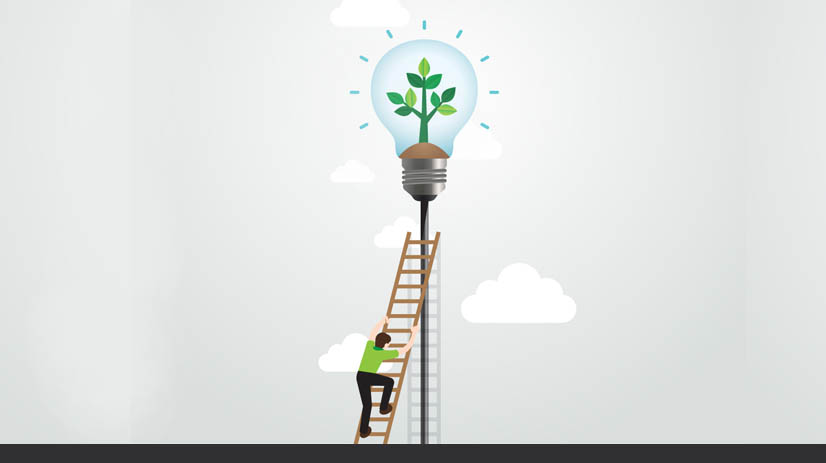
Have you ever thought about why some folks seem to climb the success ladder with ease, while others find it hard to even start? The answer often lies in how they think and approach personal growth. Let’s explore the basics of self-improvement that can help you move from good to great.
Let’s start with the basics: what’s a personal growth mindset? In simple terms, it’s the idea that you can make your skills and qualities better through hard work and learning. It’s about seeing tough times as chances to grow and mistakes as ways to get better. When you think this way, you open yourself up to lots of new possibilities.
But personal growth isn’t just about thinking . It’s about taking concrete steps to enhance key parts of your life. Two essential areas to focus on are emotional smarts and the ability to make good decisions. Emotional intelligence helps you grasp and handle your own feelings while understanding others. This skill proves priceless in both your personal life and at work. As for making decisions, sharpening this skill can result in smarter choices in everything from your job to your relationships.
So how do you begin enhancing these areas? Enter SMART goals – Specific, Measurable, Achievable, Relevant, and Time-bound objectives that provide you with a clear plan to grow and . For example instead of aiming “to be more intelligent,” you might decide “to practice active listening in three talks each day for the next month.”
Keep in mind personal growth is an ongoing process, not an end point. It involves constant learning and improvement. By grasping the growth mindset zeroing in on key areas to improve, and creating SMART goals, you build a strong base for your path from good to great. So, are you prepared to make that first move?
Strategies for Effective Self-Improvement
You’ve created a base to grow , but how can you build on it? Let’s look at some effective ways to boost your self-improvement and help you become even better.
First: keep learning. In today’s quick-changing world, not moving forward means falling behind. The good part? You can learn almost anywhere. Try to read for 30 minutes each day. This could be self-help books, work-related articles, or even well-researched blog posts. Podcasts also work great to learn while you’re busy with other things. Keep in mind, you don’t need to remember everything. The aim is to expose yourself to fresh ideas and viewpoints .
But all this knowledge doesn’t mean much if you don’t put it into practice in your life. That’s where taking time to reflect comes in. Make it a habit to stop and check your progress . Ask yourself: What’s going well? What’s not working? How can I get better? This habit of knowing yourself acts like a guide helping you find your way on your journey to grow as a person more .
Let’s talk about a common problem: putting things off. We’ve all done it leaving important stuff until the last second. To beat this, try the “5-minute rule.” Promise yourself you’ll work on something for just five minutes. , you’ll see that once you begin, it’s not so hard to keep at it. Another good way is to split big jobs into smaller doable bits. This makes them less scary and easier to get through.
, let’s chat about bouncing back. Life can be tough, and bumps in the road are part of growing. Building grit means developing the mental strength to recover from failures and keep pushing ahead. One way to boost your ability to bounce back is to see challenges as chances to grow. When you hit a roadblock, ask yourself: “What can this teach me?”
Keep in mind, getting better isn’t about becoming someone else; it’s about becoming the best you. It’s an ongoing process of learning, thinking, tackling problems, and getting back up after falls. So, which of these approaches will you try first on your path from good to great?
Implementing Positive Lifestyle Changes
You’ve figured out how to think and plan for self-improvement, but what about the everyday habits that shape your life? Let’s explore how you can make positive lifestyle changes that last and push you from good to great.
To start, let’s consider your physical and mental health. You’ve heard this countless times, but it’s repeated for a reason – a healthy body supports a healthy mind. Begin with small steps: you might swap your afternoon soda for water or take a short walk during your lunch break. These small changes can grow into big improvements as time passes.
It’s not just about your diet or exercise routine. Sleep plays a crucial role in helping you perform at your best. Try to get 7-9 hours of good sleep every night. Having a hard time falling asleep? Think about setting up a calming nighttime ritual. You could read a book, do some easy yoga, or just turn off your gadgets an hour before you hit the hay. Your future self will be grateful for that extra rest!
Let’s address the big issue – stress. In today’s hectic world, stress seems almost inevitable. But here’s the deal: it’s not about getting rid of stress completely (that’s pretty much impossible), it’s about handling it well. Being mindful can make a huge difference here. Have you ever tried meditating? If the idea of not moving for 20 minutes makes you restless, begin with just 2 minutes each day. Tools like Headspace or Calm can help newcomers.
Let’s talk about managing your time. Do you feel like you never have enough hours in the day? You’re not the only one. The trick is to be more efficient, not to work more. Give the Pomodoro Technique a shot: focus hard for 25 minutes then take a 5-minute breather. Do this over and over. You might be amazed at how much you can get done in these concentrated chunks of time.
And don’t overlook how your surroundings can affect you. Cleaning up your physical space can help clear your head. Start with something small – maybe just tidying your desk or sorting out a messy drawer. A clean space often leads to a clear mind helping you zero in on what’s important.
Keep in mind, changing your lifestyle doesn’t happen in a day. It’s all about making progress, not being perfect. Which of these changes speaks to you the most? Why not give it a shot for just a week? You might be amazed at how these little adjustments can bring about major improvements as you move from good to great.
Mastering Work-Life Balance in the Modern World

In our 24/7 super-connected world, getting your work and life to balance out can seem impossible. But what if we looked at it ? Instead of trying to balance work and life, we could try to blend them together. Let’s look at how you can mix your job and personal life in this tech-filled time.
To start, let’s change how we think about this. Don’t see work and life as things that fight each other. Think of them as parts that fit together to make your whole life. This new way of seeing things – mixing work and life instead of balancing them – can set you free. It’s about finding ways your different life areas can work together, not keeping them separate.
Okay how can we do this? To start, figure out what success means to you. Maybe it’s having enough time to eat with your family. Or maybe it’s working on a hobby you love. Or perhaps it’s moving up in your company. There’s no single right answer. The way you blend work and life should match what matters to you and what you want to achieve.
Let’s talk game plan. Remote workers often find work and home life getting mixed up. Draw clear lines by setting up a work-space and keeping strict work hours. When you’re done for the day, fight the temptation to peek at that “final email.” Office workers might want to ask about flexible hours or the chance to work from home if they can. Sometimes, tweaking your workday by an hour can help you dodge traffic jams and free up some me-time.
Technology can be a double-edged sword for work-life balance. Use it . Apps for calendars let you set aside time for family or personal stuff just like you do for work meetings. Apps to manage projects can make you more productive at work, which might give you extra time for personal things.
Here’s a bold thought: put downtime on your schedule. write it in your calendar. Treat these personal activities like work commitments. This could be a yoga class, coffee with a friend, or just some quiet time to read.
Communication plays a crucial role to master work-life integration. Tell your coworkers when you’re available and what your limits are. Also, let your family or friends know about your job responsibilities. This openness can stop misunderstandings and lessen stress in both areas.
To wrap up, keep in mind that work-life integration is an ongoing journey, not an end goal. It needs you to check in with yourself often. Do you feel satisfied? Productive? Content? If not, it’s time to take another look and make changes.
The path to greatness involves more than just career success – it’s about building a life that feels well-rounded and purposeful to you. What’s one action you can take right now to improve your work-life balance? Keep in mind tiny adjustments can result in big enhancements as time goes on.
Financial Management: A Pillar of Personal Development
When discussing personal growth, we think about abilities, routines, and outlook. However, another key component has an influence on your path from good to excellent: money management. Cash may not guarantee happiness, but being secure can bring peace of mind and create more chances to develop.
Let’s begin with a basic question: How do you define financial freedom? Does it mean having no debt? Saving enough to handle unexpected problems? Or maybe it’s the ability to chase your dreams without stressing about income? Setting your money goals is the first step to reach them.
Alright, let’s chat about the foundation of good money management: making a budget. Yeah, I get it – budgets aren’t thrilling. But stick with me here. A budget isn’t there to limit what you spend; it’s to help you see where your cash goes and make smart choices. Begin by keeping tabs on what you spend for a month. You might be shocked to discover where your money ends up!
After you get a good grasp of where your money goes, it’s time to set some money goals. Remember our buddy SMART we talked about before? It works for money goals too. Don’t just say “save more cash.” Instead, try “put aside $500 each month for the next six months to create an emergency fund.” When you make it specific, countable, and give it a deadline, you’re more likely to follow through.
Let’s talk about something that might seem scary but is essential to build your wealth over time: investing. Don’t worry if the word ‘investing’ makes you think of Wall Street traders shouting at screens. Take it easy. You can make investing as basic or complicated as you want. If you’re new to this, a good way to begin is to check out low-cost index funds or robo-advisors. What matters most is to get started and let compound interest do its thing.
But financial management isn’t just about saving and investing. It also has an influence on protecting what you have. Insurance plays a role here. Health insurance, life insurance, disability insurance – these topics might not excite you, but they’re key to protect your financial future.
, let’s address the big issue: debt. Not all debt hurts (think mortgages or student loans), but high-interest debt like credit card balances can stop you from reaching financial freedom. If you owe money, create a plan to pay it off. The debt snowball (paying off smallest debts first) or debt avalanche (focusing on highest interest rates) methods can help you succeed.
Keep in mind, handling money is an ongoing process, not an end goal. It involves making smart choices, spending less than you earn, and always learning more about finances. When you take charge of your money, you’re not just boosting your bank account – you’re growing as a person and building a solid base for your path from good to great.
So, which money habit can you kick off today to get closer to your targets? Maybe it’s setting up savings on autopilot drawing up a spending plan, or getting to grips with investing – each move matters. Your future self will be grateful you started now.
Measuring Progress in Your Personal Development Journey

You’ve chosen your aims, put plans into action to better yourself, and brought about good shifts in your way of life and money matters. But how can you tell if you’re truly going from good to great? Let’s explore how to gauge progress in your journey of personal growth.
To start: progress doesn’t always follow a straight line. Some days you’ll feel you’re making big strides, and others you might feel stuck or even going backwards. This is okay! The main thing is to step back and look at the whole picture. Are you heading the right way over weeks or months?
So how can you keep tabs on this progress? Start by taking another look at those SMART goals we talked about before. Keep in mind, the ‘M’ stands for measurable. If your goal was “to read more,” how can you put a number on that? Maybe it’s “to read one book on personal growth each month” or “to read for 30 minutes every day.” By making your goals something you can measure, you give yourself clear markers to track.
Writing in a journal can have a big impact on your self-reflection and help you keep tabs on your progress. Try to set aside a few minutes each night to write down what you got done that day, what you picked up, and how you’re feeling. As time goes by, you’ll end up with a written account of your journey that you can look back on. Also, the simple act of putting pen to paper can boost your dedication to growing as a person.
Let’s be real – we’re in a digital world now, and you can find an app for just about anything even to help you grow as a person. Some tools, like Habitica, turn building habits into a game, which makes sticking to your goals more enjoyable. Other apps such as Daylio, let you keep tabs on your mood and what you do each day giving you a clearer picture of what makes you feel good and get things done.
Don’t ignore how valuable other people’s input can be. At times, those around us can notice our improvements more than we can. Think about asking people you trust – friends, family, or mentors – to give you their honest thoughts on how you’ve changed. What they say might catch you off guard!
Tools like Mint or YNAB (You Need A Budget) can help you see your spending habits and how much you’re saving when you want to keep tabs on your money. Watching your net worth grow over time can push you to keep going.
But keep in mind, you can’t measure all progress with numbers. Some of the biggest steps forward happen in areas that are tougher to gauge, like how well you handle emotions or bounce back from setbacks. For these, try rating yourself. On a scale of 1-10 how would you score your ability to deal with stress today versus six months ago?
, give yourself a pat on the back for your achievements, no matter their size! Did you follow your new morning routine for a full week? Celebrate that win! At last cleared that annoying debt? Time for a little jig! Recognizing your steps forward regardless of how tiny, can give you the boost you need to keep going.
Keeping tabs on your self-improvement journey isn’t about being perfect or always finding fault with yourself. It’s about gaining new insights, staying pumped up, and tweaking your path when necessary. So how can you start to track your progress today? Keep in mind when you measure something, you can manage it – and make it better!
Integrating Personal Development into Daily Life

Up to now, we’ve looked at different parts of personal growth, from goal-setting to money management. But how do you blend all of this into your daily life? Let’s explore hands-on ways to make self-improvement a normal part of your day-to-day routine.
Let’s talk about how morning routines can make a big difference. You’ve heard successful people go on about their early morning habits, but don’t stress – you don’t have to get up at the crack of dawn to see results. What matters is doing it and on purpose. Your perfect morning might include 10 minutes to reflect, a short workout, and reading a few pages of a book to help you grow. Or maybe you prefer to write in a journal and set goals for the day. Try different things to see what suits you best then keep at it. How you start your morning sets the mood for the whole day.
Let’s talk about something that can really shake things up: habit stacking. This approach involves connecting a new habit you want to start with one you already have. Here’s an example: if you make coffee every morning without fail, use that as a starting point to add a new habit. While your coffee’s brewing, you could take a moment to think about what you’re grateful for or read a bit from a book. When you piggyback on routines you’ve already got down, you’re more likely to keep up with new habits.
What about during work hours? Look for chances to turn boring moments into learning experiences. When you commute? Try listening to self-improvement podcasts. During lunch? Use some of it to do a quick mindfulness exercise or to look over your goals. Even standing in line can become a chance to breathe or say positive things to yourself.
Keep in mind, self-improvement isn’t about always pushing yourself to the edge. It’s about growth you can keep up. Be aware of balancing your efforts to grow with rest and relaxation. Sometimes, the most useful thing you can do is take a break and get your energy back.
Keep in mind how much your surroundings can shape you. Put reminders of your self-improvement aims all around you. You might stick inspiring sayings on your desk, hang a dream board in your bedroom, or even set your phone background to an image that shows what you’re striving for.
To wrap up, turn personal growth into a group effort. Tell your friends or family about your aims, or even better, team up with someone to hold each other responsible. Checking in with someone can pump up your drive and dedication.
Incorporating self-improvement into your everyday life doesn’t require major changes. It’s about tiny steady actions that build up over time. Think of it as a way of life, not a list of chores. Each day offers many chances to grow – the trick is to spot and grab them.
So how can you add a bit of self-improvement to your daily routine starting now? Keep in mind, the path from good to great consists of countless small steps. Every choice, every moment gives you a chance to move ahead. Enjoy the journey, be happy about the little wins, and keep going. The you of tomorrow will be grateful for the work you’re doing today!
FAQ Section
A: To begin your personal development journey try these steps:
- Take a look at parts of your life you want to make better.
- Set goals that are clear, you can measure, you can reach, matter to you, and have a time limit.
- Make a plan to grow, breaking your goals into steps you can take.
- Start small – pick one or two areas to work on first.
- Read books or listen to podcasts about growing as a person to get ideas and tips.
- Get to know yourself better by writing in a journal or doing some quiet thinking.
- Ask people you trust, like friends, family, or mentors, what they think about you.
Keep in mind personal growth is a lifelong process. The main thing is to begin and stay steady.
A: Some powerful ways to improve yourself include:
- Learning all the time through books, classes, or workshops
- Doing mindfulness and meditation
- Making and checking goals often
- Growing a mindset that focuses on progress
- Using positive statements about yourself
- Trying new things that make you uncomfortable
- Building good habits (working out eating well, sleeping enough)
- Being thankful
- Asking for helpful feedback and using it
- Managing time and being more productive with methods like Pomodoro
A: To improve work-life balance, you can:
- Set clear lines between work and personal time
- Learn to rank tasks and refuse unimportant commitments
- Use time management methods to boost output during work hours
- Practice being mindful to focus on both work and personal activities
- Plan personal activities and rest time as crucial as work tasks
- Talk with coworkers and family about your limits
- Take frequent breaks and use your vacation days
- Look into flexible work options if you can
- Often check and tweak your balance as needed
A: Lifestyle changes that have a major influence on personal growth include:
Here’s a rewritten version of the text:
- Set and stick to a sleep routine to sleep better and get more done
- Work out to stay healthy in body and mind
- Take time to reflect or meditate to stress less and know yourself better
- Eat well to boost your energy and sharpen your focus
- Cut down on screens and social media to keep your mind healthy
- Read often to learn new things and broaden your views
- Start each day with a plan to make it count
- Spend time with people who lift you up and support you
- Push yourself to try new things and grow
- Count your blessings to stay positive
A: Money management plays a key role in personal growth because:
- It cuts down on worry letting you zero in on other ways to improve yourself
- A stable bank account gives you peace of mind and the chance to chase your dreams
- Making a budget teaches you self-control and how to wait for good things, which helps in other parts of life too
- Getting a grip on your cash makes you better at making choices
- It opens doors to invest in yourself through learning new experiences, and tools to help you grow
- When you hit your money goals, you feel more sure of yourself and want to keep growing as a person
- It lets you lend a hand or give back, which makes you feel good about yourself
- Planning your money for the long haul goes hand in hand with setting and reaching life goals
- Handling your finances means you’re always learning, which helps you grow as a person overall
- Having money in the bank can open doors to chase dreams and hobbies
Keep in mind working on yourself covers many areas. How you handle your cash, plus things like understanding your emotions, staying healthy, and always learning, all help you grow and level up from okay to awesome.
Conclusion: Your Journey From Good to Great Starts Now
As we finish looking at personal development, self-improvement, and the path from good to great, let’s take time to think about the main ideas we’ve found.
We’ve dug deep into the basics of personal growth finding out how a growth mindset can change how you deal with life’s tough spots. We’ve looked at good ways to improve yourself, from always learning to getting stronger when things go wrong. We’ve talked about how good changes in your life, from being more aware to having healthy habits, can push your personal growth forward.
We’ve also looked at parts of personal growth that people often miss, like balancing work and life in our digital world and using money smarts to help you grow. We’ve found out how important it is to track progress, cheer for small wins, and change direction when we need to.
Maybe the biggest thing we’ve learned is that personal growth isn’t a final stop, but a journey that lasts your whole life. It’s not about big changes or quick fixes. Instead, it’s about small steady actions that build up over time taking you from good to great in every part of your life.
Keep in mind, there’s no universal approach to self-improvement. Your path is yours alone. What’s crucial is that you begin, stay steady, and keep moving ahead even when progress seems slow.
What’s next? Start small. Pick one part of your life you want to make better. Set a SMART goal. Take one tiny step today toward that goal. Then do it again tomorrow, and the next day. Before you realize it, these little actions will lead to big leaps in your personal growth.
Your path from good to great isn’t a quick race. It’s more like running a marathon. You’ll have highs and lows, wins and setbacks. Accept all of these as steps in your journey. Keep learning, stay dedicated, and above all, be kind to yourself.
Keep in mind, the fact you’re reading this shows you care about growing as a person. This already makes you stand out. You’re not happy with things as they are. You want something more, something better. And that’s how you start to move from good to great.
So, what’s your first move going to be? What little thing can you do today to get closer to becoming your best self? Whatever you choose, remember that even the longest journeys start with just one step. Your path from good to great kicks off right now. Dive in, have fun with it, and see yourself change into the best version of you, day by day.