Sleepless in Modernity: Natural Remedies for Better Sleep Today
by Kedar Mallick · 16 September 2024

In today’s hectic always-online world many people find it hard to get a good night’s sleep. Sleep problems and insomnia have become widespread affecting millions who can’t get the restful sleep their bodies and minds need. We can’t stress enough how important good sleep is, but not getting enough sleep has become an unwanted feature of life these days.
As we face the problems of our digital world more people want to find natural ways to sleep better. Many folks are moving away from regular sleep drugs looking for softer options that help them sleep well without getting hooked or having bad side effects. This move to natural fixes covers a lot of different ways, from old herbal cures to new sleep habits made for our tech-filled lives.
In this complete guide, we’ll look into how sleep works in today’s world, find out why so many of us can’t sleep, and give you a set of natural ways to sleep better. If you’re a busy worker dealing with sleepless nights because of technology, or just want to make your sleep healthier, you’ll get useful ideas and handy tips to help you get back your right to good refreshing sleep.
Come with us as we figure out the secrets of sleep and learn how to find calm in our sleepless modern times.
The Modern Sleep Crisis: Understanding Sleep Disorders and Their Causes
The sleep crisis of today is spreading worldwide. New studies paint a grim picture: one in three adults can’t sleep well , and between 50 and 70 million people in the U.S. deal with some kind of sleep problem. These numbers point to a real issue with how our society views and treats sleep these days.
Sleep problems show up in many ways. Most people know about insomnia, which makes it tough to fall asleep or stay asleep. But there’s more to it than that. The world of sleep issues is much bigger and includes things like sleep apnea, restless leg syndrome, and narcolepsy, to name a few. These problems often have some symptoms in common. People might feel tired during the day, get cranky , have trouble focusing, and see their overall life quality go down.
So, what’s at the root of this crisis? It’s the very core of our modern lifestyle. Technology, that magic wand we think can fix everything, has become one of the biggest reasons many people can’t sleep. Easy access to phones, tablets, and computers has changed these folks’ sleep patterns and body clocks.
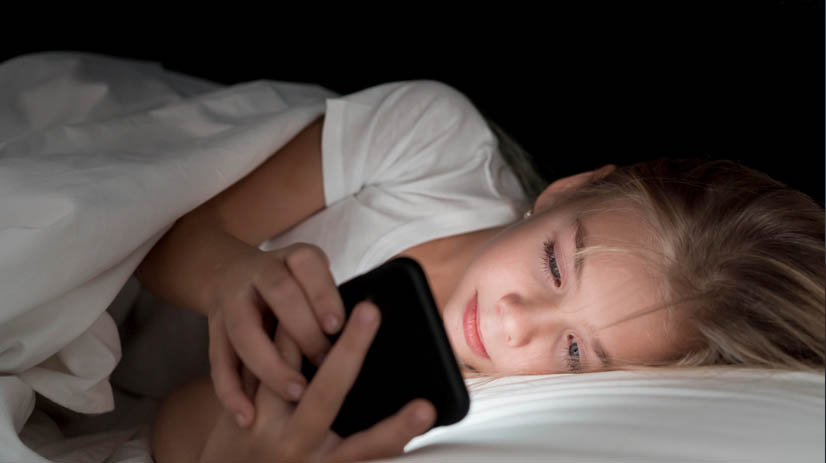
The blue light from these gadgets makes it hard for our bodies to produce the natural hormone that controls sleep. This means people find it tough to drift off. What’s more, being always connected through tech has mixed up work and rest time. Most people end up checking emails or browsing social media way past when they should be in bed.
It’s not just about the tech. Our round-the-clock society driven by a constant push to produce, has made sleep loss a new standard. Long commutes, shift work, and the pressure to stay connected have shaped a culture that no longer sees sleep as a must. Instead, we now treat it as a luxury for those who can afford it.
Stress and worry, along with the hectic pace of life today also play a big part in messing up our sleep. When night falls, it’s hard to shut down our minds. Our brains keep racing filled with thoughts and concerns about what’s to come.
Understanding these reasons is the starting point to tackle the sleep problem. After we identify the things that cause poor sleep, we can take action to fight them and get back our nights of good rest.
The Importance of Sleep Quality: Effects of Sleep Deprivation

The quality of sleep has an impact on every part of our lives even though many people ignore it to get more done in today’s fast-paced world that demands productivity and success. by appreciating good sleep and its wide-ranging effects can we grasp how important this basic aspect of health is.
Sleep quality isn’t just about how long we sleep, but also how deep and effective our sleep cycles are. So good sleep means our body and mind can go through all the needed stages for a good night’s rest, including key rapid eye movement and deep sleep phases. These phases are key to restore our physical self and to strengthen memory and emotions.
But when we don’t sleep well or get enough rest night after night, it starts to take its toll on us, both right away and down the road. Not getting enough sleep for a long time has been tied to lots of health problems, like:
- Brain Fog: Too little sleep messes with our heads. It makes it hard to focus, pay attention, make choices, and figure things out. This leads to us doing worse at work or school, making more mistakes over and over, and even causing bad accidents.
- Mood Swings: People who don’t sleep enough tend to have up-and-down emotions. They get cranky and have a tough time dealing with stress. If this goes on for a while, it can turn into anxiety and depression.
- Weakened Immune System: Sleep plays a key role in keeping your immune system strong. Good rest helps your body fight off illnesses. When you don’t sleep enough for a long time, you’re more likely to get sick.
- Cardiovascular Issues: Not getting enough sleep can lead to serious health problems. These include high blood pressure, heart disease, and stroke.
- Metabolic Disruption: Your body needs sleep to control blood sugar levels properly. Without enough rest, you might gain weight and face a higher risk of Type 2 diabetes.
- Hormonal Imbalances: Research shows that not getting enough sleep affects hormones that control appetite, growth, and stress.
Sleep deprivation doesn’t just hurt individuals – it hurts society too. In workplaces tired employees are less productive, miss more work, and have more accidents. On a bigger scale, accidents caused by sleepy people (like falling asleep while driving) lead to thousands of injuries and deaths every year.
Seeing the key connection between how well you sleep and how good you feel overall is the first move to make sleep a priority in our lives. When we get that good sleep isn’t just nice to have but something we really need, we can start to change our sleep habits. This has an impact on our health, how much we get done, and how well we live our lives.
Natural Sleep Remedies for the Digital Age Insomniac
So with more people needing better sleep now that tech has become a big part of our daily lives, many are choosing natural sleep aids instead of regular sleeping pills. These natural options aim to give a good night’s rest, unlike the usual treatments that can make you feel dependent and cause bad side effects. It’s time to look at some of the best-tested ways to treat long-term sleep problems naturally, which might fit better with our tech-filled lives.
1. Herbs That Help with Long-Term Sleep Problems
People have used herbs for ages to help them relax and sleep better. Here are some of the herbs that work best for sleep:
- Valerian Root: This herb has a reputation for its sleep-inducing effects. It can shorten the time you need to fall asleep and boost your sleep quality.
- Chamomile: This mild plant helps you relax and can be useful if anxiety keeps you up at night.
- Passionflower: Research indicates that passionflower can make your sleep better and help you drift off faster.
- Lemon Balm: This soothing plant can lower your stress levels and help you sleep well.
- You can drink these herbs as teas, take them as liquid extracts, or use them in pill form. But before you start using any herbal remedy, talk to your doctor if you’re on other meds.
2. Non-Addictive Natural Sleep Supplements
People who want options besides prescription sleep medications can try several non-addictive natural supplements that show potential:
- Magnesium: This mineral has a key part in controlling the nervous system and can boost sleep quality.
- L-theanine: Tea leaves contain this amino acid, which helps you relax without making you sleepy.
- Glycine: This amino acid might enhance sleep quality by cooling your body when you go to bed.
- GABA (Gamma-Aminobutyric Acid): This neurotransmitter makes you feel calm and can help you fall asleep faster.
3. Melatonin Alternatives to Improve Sleep
While melatonin helps many people sleep, it doesn’t work for everyone. Here are some good options instead of melatonin:
- Tart Cherry Juice: It has lots of natural melatonin, which can help set your sleep schedule.
- 5-HTP (5-Hydroxytryptophan): This stuff turns into serotonin in your body, which can make you sleep better and longer.
- Lavender: You can use it as an oil or take it as a pill. Either way, it can help you sleep better and feel less anxious.
4. Natural Ways to Sleep Better by Changing Your Habits
Besides herbs and supplements, changing some things in your daily life can help you sleep:
- Light Therapy: Getting bright light during the day and cutting down on blue light at night can help set your body’s sleep-wake cycle.
- Aromatherapy: Scents like lavender, chamomile, and bergamot can help you relax and sleep better.
- Acupressure: Pressing on specific body points might ease insomnia and boost sleep quality.
- Mindfulness and Meditation: Doing these can quiet your mind and get your body ready to sleep.
5. Tech-Savvy Natural Sleep Aids
If you’re a tech-loving insomniac, some digital solutions can go hand in hand with natural sleep remedies:
- Sleep Tracking Apps: These apps can show you how you sleep and point out where you can sleep better.
- White Noise Machines or Apps: These tools can block out annoying noises and make your bedroom sound better for sleep.
- Blue Light Filtering Apps and Devices: These can cut down on how screens mess with your sleep at night.
Keep in mind different things work for different people. You might need to try a few natural sleep aids to find what helps you most. Make sure to talk to your doctor before you start taking any new supplements if you have health issues or take other medicines.
When people in the digital age who have trouble sleeping mix these natural methods with good bedtime habits, they often find they can make their sleep much better and feel healthier overall.
Lifestyle Changes for Better Sleep: Improving Sleep Hygiene

Getting better sleep in our digital world means practicing good sleep habits. Sleep habits are the things we do that help us sleep well . For people with busy jobs and anyone who has trouble sleeping, changing how they live can make a big difference in how well they sleep and how they feel overall.
1. Sleep and Wake Up at the Same Time Every Day
A key part of good sleep habits: One of the main things about good sleep habits is keeping your body’s clock in check. Experts say you should try to go to bed and get up at the same time every day even when you’re not working. This helps your body’s natural rhythms line up making it easier to fall asleep and wake up in the morning.
2. Setting up a Sleep-friendly Bedroom
Your bedroom should be the one spot in your house that’s all about rest and sleep. Think about these things:
- Temperature: Try to cool your bedroom to between 60-67°F (15-19°C). This helps you sleep better.
- Darkness: If light comes in from doors, windows, or other places, use blackout curtains or an eye mask to block it out.
- Noise: If you live somewhere noisy, try using a white noise machine or earplugs to help you sleep.
- Comfort: Set up your bedroom with a comfy mattress, pillows, and blankets you plan to use.
3. Why SLEEPING WELL MATTERS
Start nighttime habits to get your body and mind ready for bed. This helps you drift off more . You might try:
- Reading a physical book, not an e-reader or any gadget with text that looks like it’s trying too hard to be hip
- Doing gentle exercises like standing partial reps
- They include: Warm showers This can involve taking a hot bath.
- Some people also find it helpful to listen to soothing music, or even a guided sleep meditation.
4. Control Screen Time and Blue Light Exposure
In today’s digital world keeping an eye on screen time plays a key role in good sleep habits:
- , avoid screens for at least an hour before bedtime.
- If you must use devices at night, look for apps that filter blue light or even better, wear blue light blocking glasses.
- Keep smartphones and tablets out of the bedroom. If you must have them, put them out of reach from your bed.
5. Watch Your Diet and Activity
Your eating habits and physical activity during the day can have a big effect on your nighttime sleep:
- Don’t eat big meals close to bedtime.
- Cut back on caffeine later in the day. This includes afternoon and evening hours.
- Work out often, but stop exercising an hour before you plan to sleep.
- If you’re still hungry at night, eat foods that help you sleep like bananas, almonds or herbal tea.
6. Handle Stress and Worry
People with busy work schedules often have trouble sleeping. Try these ideas:
- Limit screen time before bed so you can fall asleep.
- Write your worries in a journal to clear your mind for a while.
- Take deep breaths when you’re in bed.
7. Set the Right Sleep Schedule
Knowing your body’s natural cycles can help you sleep better:
- Figure out if you’re a ‘night owl’ or an early bird then try to make changes to suit this when you can.
- If you can’t sleep within 20 minutes, leave your bed and do something boring to make yourself tired again.
8. Create a Clear Line Between Work and Rest
In our non-stop world, it’s key to set firm limits:
- Set up work hours when you can do job-related exercise, talk to others, or stay busy in other ways.
- Make sure your bedroom is separate from the rest of your home and don’t work there.
- Turn off work alerts on your devices at night.
9. Take Action on Sleep Problems
If you often can’t sleep well:
- Keep a sleep log to see your sleep patterns and any issues you might have.
- Let’s look at cognitive behavioral therapy for insomnia (CBT-I). This treatment works well for long-term sleep problems.
- If you have these issues, talk to a sleep expert.
Remember, improving sleep habits takes time. Your body needs to get used to new routines so stick with it. Making smart changes to your sleep habits in our digital world can boost your sleep quality, daytime performance, and overall health.

Mind-Body Techniques: Relaxation Techniques for Better Sleep
In today’s quick-moving digital age, relaxing and unwinding play a key role in getting good sleep. Mind-body methods give us strong ways to calm our thoughts, ease our bodies, and get ready for sound rest. These approaches can help people who can’t sleep or want to doze off quicker. Let’s look at some useful relaxation tricks that can make your sleep much better.
1. Meditation to Combat Sleeplessness
Meditation has a powerful effect on soothing the mind and cutting down on stress and worry that often lead to sleep issues.
- Mindfulness Meditation: Pay attention to your breathing or how your body feels bringing your focus back when your mind drifts. This helps quiet busy thoughts that often keep us awake.
- Guided Sleep Meditation: Apps or recordings can walk you through relaxing visualizations or body scans to get ready for sleep.
- Loving-Kindness Meditation: This practice has an influence on reducing anxiety and promoting a sense of calm. It involves sending good wishes to yourself and others.
- Begin with just 5-10 minutes before bed and increase the time as you get more comfortable with the practice.
2. Breathing Exercises to Sleep Faster
Controlled breathing exercises can activate the parasympathetic nervous system, which helps you relax and sleep.
- 4-7-8 Breathing: Breathe in for 4 counts, pause for 7 counts, and breathe out for 8 counts. Do this 4-5 times.
- Box Breathing: Breathe in for 4 counts, pause for 4 counts, breathe out for 4 counts, pause for 4 counts. Keep going as long as you need.
- Diaphragmatic Breathing: Put one hand on your chest and the other on your stomach. Take a deep breath into your stomach making sure it rises more than your chest.
- Try these methods when you’re in bed paying attention to how you breathe to help calm your thoughts.
3. Progressive Muscle Relaxation (PMR)
PMR has an impact on physical and mental relaxation by tightening and loosening different muscle groups one after another.
- Begin with your toes and move upward to your head.
- Squeeze each muscle group for 5 seconds then let go for 10 seconds.
- Notice how relaxation feels in each area.
4. Yoga Poses to Boost Sleep Quality
Some yoga poses can calm your body and mind making it easier to drift off to sleep.
- Child’s Pose: Get on your knees, sit back on your heels, and reach your arms forward.
- Legs-Up-the-Wall Pose: Lay on your back and put your legs straight up against a wall.
- Corpse Pose (Savasana): Lay flat on your back, place your arms by your sides, and focus on slow deep breaths.
- Do these poses for 5-10 minutes before you go to bed to help you relax.
5. Visualization Techniques
Visualization can take your mind off stressful thoughts and create a mental space that helps you sleep.
- Picture a calm scene in detail using all your senses.
- Picture yourself in a calming spot such as a sandy shore or wooded area.
- Try the “body scan” method relaxing each body part from your feet to your head.
6. Cognitive Restructuring
This approach involves spotting and questioning negative thoughts that might keep you awake.
- Spot worried or pessimistic thoughts about sleep.
- Question these thoughts with more balanced realistic options.
- Switch “I’ll never fall asleep” to “I’m allowing my body to rest and unwind.”
7. Biofeedback
While you do this with an expert, you can practice simple forms of biofeedback at home.
- Track your heart rate with a fitness gadget or smart watch.
- Learn relaxation methods while observing your heart rate slow down.
- Seeing this change can help you manage how your body reacts to stress.
8. Scent therapy
Some smells can help you relax and sleep better.
- Put lavender, chamomile, or vanilla essential oils in a diffuser in your room.
- Dab diluted essential oils on your wrists and neck before bed.
- Spray your pillow with a lavender mist.
Keep in mind, these methods don’t work the same for everyone. You might need to try different things to see what helps you sleep best. Don’t give up – keep at it. If you stick with it, these mind-body tricks can become go-to tools to fight insomnia. They can help you get the deep refreshing sleep you need in our hectic, tech-filled world.

Nutrition and Sleep: Sleep-Promoting Foods and Supplements
The link between our diet and sleep often goes unnoticed in our hectic, tech-driven lives. Yet, what we eat has an impact on our sleep patterns and quality. Knowing which foods help us sleep and which keep us awake allows us to make smart choices for better rest. Let’s look at foods that aid sleep, natural supplements, and eating habits that can boost your sleep quality.
Foods That Help You Sleep Better at Night
- Foods High in Tryptophan:
Tryptophan is an amino acid that helps make serotonin and melatonin, which are key to sleep.
- Turkey
- Chicken
- Eggs
- Cheese
- Nuts (almonds and walnuts)
- Seeds (pumpkin, sunflower)
2. Complex Carbs:
These boost tryptophan availability to the brain.
- Whole grain bread
- Oatmeal
- Sweet potatoes
- Bananas
Foods High in Magnesium:
Magnesium relaxes muscles and calms the nervous system.
Leafy greens (spinach, kale)
Avocados
Yogurt
Dark chocolate (eat )
Foods Rich in Calcium:
Calcium plays a role in the brain’s use of tryptophan to make melatonin.
Milk
Yogurt
Kefir
Cheese
Cherry Juice:
Tart cherry juice stands out, as it has high natural melatonin levels.
Herbal Teas:
Chamomile
Valerian root
Passionflower
Lavender
Natural Sleep Supplements
While foods provide the best source of nutrients, supplements can help some people:
- Magnesium: This mineral can boost sleep quality and ease restless leg syndrome.
- Melatonin: Helps shift workers or people with jet lag, but talk to a doctor if you plan to use it for a long time.
- L-theanine: A component in tea leaves that helps you relax.
- Glycine: Might make you sleep better by cooling your body when you go to bed.
- Valerian Root: Can cut down the time you spend trying to fall asleep.
Check with your doctor before you start taking any new supplements.
Foods and Drinks to Avoid for Better Sleep
- Caffeine: Cut back after lunch and at night.
- Alcohol: It might help you drift off, but it often messes up your sleep later on.
- High-Fat Foods: These foods can be tough on your stomach and might keep you up at night.
- Spicy Foods: These can give you heartburn or upset your stomach when you lie down.
- Sugary Foods: These can make your energy levels go up and down messing with your sleep.
Timing Your Meals for Better Sleep
- Don’t Eat Big Meals Right Before Bed: Try to eat dinner at least 2-3 hours before you go to sleep.
- If You Want a Snack Before Bed: Go for something light that helps you sleep, like a few nuts or a banana.
- Drink Enough Water: But slow down on drinks in the evening so you don’t have to get up to pee at night.
How to Make a Diet That Helps You Sleep
- Mix Up Your Food Groups: Put complex carbs lean proteins, and good fats on your plate.
- Stick to a Meal Schedule: This helps your body clock stay on track.
- Think About Meal Timing: Try to eat when your body’s natural rhythms say it’s time.
What to Keep in Mind in Our Digital World
- Pay Attention When You Eat: Don’t munch while you work or look at your phone. You might eat too much or upset your stomach.
- Have a Plan for Working Late: If you need to burn the midnight oil, pick foods that boost your brain but won’t mess with your sleep, like blueberries or walnuts.
- Caffeine Alternatives: If you want to cut back on caffeine, try herbal teas or golden milk (turmeric latte) as calming options.
Keep in mind, nutrition has a big impact on how well you sleep, but it’s not the only factor. Mix these food tips with good bedtime habits and ways to relax to get the best results. When you feed your body foods that help you sleep and avoid things that mess with your rest, you’re setting yourself up for better nights and more energetic days even in our busy, tech-filled world.
Technology and Sleep: Finding Balance in the Digital Age
In today’s connected world, tech has become a key part of our everyday lives. It brings many perks, but it also creates big challenges to how we sleep and the quality of our rest. It’s essential to grasp how tech impacts sleep and to learn to strike a balance to keep healthy sleep habits in this digital era.
How Tech Impacts Sleep Patterns
Blue Light Exposure:
- Digital gadgets give off blue light, which can hold back melatonin production and throw off our body clocks.
- This can make falling asleep tougher and lower sleep quality.
Mental Stimulation:
- Looking at social media, news, or work emails before bed can make your brain more active making it hard to relax and fall asleep.
Less Time for Sleep:
- The temptation to keep scrolling or watch “just one more episode” can push back bedtimes and cut into sleep time.
Pings and Alerts:
- The non-stop buzz of notifications can break up your sleep cycles and chop up your rest.
Natural Ways to Fix Tech-Caused Sleep Problems
Digital Cutoff:
- Set up a “digital cutoff” by shutting down all devices 1-2 hours before you go to bed.
- This gives your brain a chance to slow down naturally and get ready for sleep.
Blue Light Filters:
- Use apps or built-in features to filter blue light on your devices at night.
- Think about using glasses that block blue light if you need to use devices before sleeping.
No Tech in the Bedroom:
- Make your bedroom a place without technology to create a space just for sleep.
- Pick a regular alarm clock instead of using your phone.
Smart Tech Use:
- Pay attention to how technology affects your mood and energy when you use it.
- Plan how you’ll use technology especially at night.
Nature Connection:
- Mix screen time with outdoor fun and nature during the day.
- This helps set your body clock and boost sleep quality.
Apps and Tools to Foster Good Sleep Habits
While it might seem odd, some tech tools can help you sleep better:
Sleep Tracking Apps:
- Apps like Sleep Cycle or SleepScore give you insights into how you sleep.
- Use these insights to make your sleep setup and timing better.
Meditation and Relaxation Apps:
- Apps like Calm, Headspace, or Insight Timer offer guided meditations and bedtime stories.
- These help quiet your mind before you hit the hay.
White Noise or Nature Sound Apps:
- Apps such as White Noise Lite or Relax Melodies can hide disruptive sounds and create a calming sleep setting.
Smart Home Devices:
- Use smart bulbs or plugs to dim lights in the evening.
- Create routines that set up a sleep-friendly environment at bedtime.
Screen Time Monitoring Tools:
- Use built-in features like Apple’s Screen Time or Android’s Digital Wellbeing to monitor and restrict device use.
Ways to Handle Sleep in a Always-On World
Create Limits:
- Set clear work-life boundaries particularly if you work from home.
- Tell your coworkers when you’re not working and stick to those times.
Make a Buffer Zone:
- Start a routine to switch from screens to sleep.
- You could read a paper book, do some light stretches, or take a warm bath.
Try Digital Detox:
- Plan regular times without tech, like a “no-screen Sunday.”
- Use this time to get back to offline stuff and relationships.
Set Up Your Notifications:
- Turn on “Do Not Disturb” on your devices.
- Change your settings to let urgent alerts come through when you sleep.
Learn More and Tell Others:
- Keep up with new findings on tech and sleep.
- Talk to your loved ones about what you learn to build a helpful network.
Striking a Balance: Tech and Sleep in Harmony
Make Sleep a Top Priority:
- See sleep as crucial to your health and well-being.
- Plan your tech use around when you need to sleep, not the other way around.
Use Tech in Moderation:
- Try to use tech throughout your day.
- This can help you avoid overusing it right before bed.
Use Tech to Your Advantage:
- Make your sleep space better with tech gadgets (like smart thermostats and air cleaners).
- Check out devices that might help you sleep such as red light therapy tools.
Be Ready to Change:
- Know that what works for your sleep might change over time.
- Be open to tweaking how you use tech for sleep when you need to.
By putting these plans into action, you can make the most of what tech has to offer while reducing its downsides on your sleep. Keep in mind, we’re not trying to cut tech out of your life , but to create a good balance between your online world and your need for sleep. When you use tech and make use of tools that help you sleep better, you can thrive in this digital age while still getting the deep refreshing sleep you need.
FAQ Section
A: Many things can make it hard to sleep such as:
- Worry and stress
- Sleeping at odd hours
- Bad bedtime habits
- Too much coffee or booze
- Screen time right before bed
- Health issues like sleep apnea or restless legs
- Some types of medicine
A: Here are some good ways to improve your sleep:
- Keep a steady sleep pattern
- Set up a calming nighttime routine
- Make your bedroom sleep-friendly (cool dark, and quiet)
- Cut back on screen use before sleeping
- Work out (but not right before bed)
- Try relaxation methods like meditating or breathing
- Skip big meals, coffee, and booze close to bedtime
- Try natural sleep helpers like herb teas or supplements (ask a pro first)
like herbal teas or supplements (under professional guidance)
A: Technology can negatively impact sleep in several ways:
– Blue light from screens can suppress melatonin production
– Mental stimulation from content can make it harder to relax
– Notifications can disrupt sleep cycles
– The addictive nature of some apps can lead to delayed bedtimes
To mitigate these effects, try implementing a “digital sunset” by turning off devices 1-2 hours before bed, using blue light filters, and creating tech-free zones in your bedroom.
A: Sleep disorders can be caused by a variety of factors, including:
– Genetics
– Chronic stress or anxiety
– Medical conditions (e.g., sleep apnea, restless leg syndrome)
– Medications
– Lifestyle factors (irregular schedules, excessive caffeine or alcohol use)
– Environmental factors (noise, light, temperature)
– Aging
– Hormonal changes
If you suspect you have a sleep disorder, it’s important to consult with a healthcare professional for proper diagnosis and treatment.
A: Many natural sleep aids can be safe and effective when used properly. Some popular options include:
– Melatonin supplements
– Herbal teas (chamomile, valerian root)
– Magnesium
– L-theanine
– Lavender aromatherapy
However, it’s important to note that “natural” doesn’t always mean risk-free. Some natural remedies can interact with medications or have side effects. Always consult with a healthcare professional before starting any new supplement regimen, especially if you have existing health conditions.
A: Busy professionals can improve their sleep habits by:
– Prioritizing sleep and treating it as a non-negotiable part of their schedule
– Setting clear boundaries between work and personal time
– Creating a consistent bedtime routine, even when traveling
– Using relaxation techniques to “wind down” after work
– Limiting work-related screen time in the evening
– Optimizing their sleep environment, even in hotel rooms
– Considering short power naps during the day if nighttime sleep is insufficient
– Managing stress through exercise, meditation, or other relaxation techniques
Remember, good sleep is crucial for productivity and decision-making, making it a valuable investment for professional success.
A: Sleep needs vary by individual and age, but generally:
– Adults (18-64 years): 7-9 hours
– Older adults (65+ years): 7-8 hours
– Teenagers (14-17 years): 8-10 hours
– School-age children (6-13 years): 9-11 hours
Some people may function well on slightly less or may need more. Pay attention to how you feel during the day to determine if you’re getting enough quality sleep.
A: Yes, certain foods can promote better sleep:
– Tryptophan-rich foods (turkey, eggs, cheese)
– Complex carbohydrates (whole grains, sweet potatoes)
– Magnesium-rich foods (leafy greens, nuts)
– Calcium-rich foods (dairy products)
– Cherries (especially tart cherries, high in natural melatonin)
– Herbal teas (chamomile, valerian root)
Eating these foods as part of a balanced diet, particularly in the evening, may help improve sleep quality.
A: To fall asleep faster, try:
– Practicing progressive muscle relaxation
– Using the “4-7-8” breathing technique
– Trying the military method (body scanning relaxation)
– Avoiding clock-watching
– Getting up and doing a quiet activity if you can’t sleep after 20 minutes
– Maintaining a consistent sleep schedule
– Creating a relaxing pre-sleep routine
A: While sleep medications can be helpful in the short term, regular long-term use can lead to:
– Dependency
– Tolerance (needing higher doses for the same effect)
– Side effects (grogginess, cognitive impairment)
– Masking of underlying sleep issues
It’s generally recommended to use sleep medications under the guidance of a healthcare professional and to explore natural remedies and improved sleep hygiene as long-term solutions.
Remember, while these answers provide general guidance, individual sleep needs and issues can vary greatly. If you’re consistently struggling with sleep, it’s important to consult with a healthcare professional or sleep specialist for personalized advice and treatment.
Conclusion: Reclaiming Restful Sleep in the Modern World
Throughout this guide, we’ve seen that getting good sleep in our busy, tech-focused world is tough but doable. More and more people are dealing with sleep problems and insomnia these days, and it’s tied to our changing lifestyles, work pressures, and how we use technology. But don’t worry – if we know what to do and have some helpful tips, we can sleep better and feel healthier overall.
Let’s go over the main points:
- Sleep Basics: We took a close look at why good sleep matters and how not getting enough sleep can mess with our physical health how we think, and how we feel.
- Natural Remedies: We’ve looked at a range of natural sleep aids, from herbs to non-addictive supplements, that can work as options instead of regular sleep meds.
- Lifestyle Changes: We’ve talked about how important good sleep habits are and how tweaking our daily routines can make a big difference in how well we sleep.
- Mind-Body Techniques: Ways to relax, like meditating or tensing and relaxing muscles give us strong tools to calm our minds and get our bodies ready to sleep well.
- Nutrition and Sleep: We’ve uncovered how what we eat ties to how we sleep pointing out foods that can help us rest better.
- Technology and Sleep: Technology often gets in the way of our sleep. But we’ve also found ways to use it and even make it work for us to improve how we sleep.
Getting better sleep in today’s world doesn’t mean we have to totally unplug or make big changes to how we live. It’s more about striking a balance. We want to make the most of what our modern world offers while still making sure we get the good rest we need as humans.
Keep in mind that getting better sleep takes time. You might need to try different things before you find what works for you. Be kind to yourself and stick with it. Even small changes in how well you sleep can make a big difference in your day-to-day life. You could see improvements in how much you get done how you feel, your physical health, and how well your brain works.
As you try these tips, remember that ongoing sleep problems might be a sign of other health issues. If you’re still having trouble sleeping after giving these ideas a shot, don’t be afraid to talk to a doctor or someone who specializes in sleep.
In our search for success and happiness in the digital world, we often forget how much a good night’s sleep can help. But when we take back our right to rest well, we’re not just making our nights better – we’re changing our days and boosting our overall life quality.
Here’s to calm nights and lively days even in our wakeful modern times. Sleep tight!