Unlock the Secrets to Sustainable Fashion with Capsule Wardrobes
by Kedar Mallick · 13 September 2024
Unlock the Secrets to Sustainable Fashion with Capsule Wardrobes
Have you ever felt overwhelmed by your closet, filled with clothes you hardly wear? Enter the world of capsule wardrobes, a game-changer in sustainable fashion. This approach has a profound influence on how you dress, shop, and think about your personal style. Capsule wardrobes offer a fresh take on fashion, helping you build a versatile, eco-friendly collection that reduces waste and maximizes style.
In this article, you’ll discover the ins and outs of creating a capsule wardrobe that works for you. We’ll explore sustainable fashion basics, share tips on curating your wardrobe essentials, and look at examples of capsule wardrobes for men and women. You’ll also learn about ethical brands, eco-friendly fabrics, and how to build a capsule wardrobe on a budget. Whether you’re dressing for work from home or looking to refresh your style, this guide will help you unlock the secrets to a more sustainable and stylish you.
Understanding Sustainable Fashion
The environmental impact of fast fashion
You might be surprised to learn that the fashion industry is responsible for a staggering 10% of global carbon dioxide emissions . Fast fashion, with its rapid production and disposal cycle, has a significant impact on our environment. It’s not just about the clothes you wear; it’s about the resources used to make them. For instance, it takes a whopping 10,000 liters of water to produce just one kilogram of cotton. That’s enough water to fill a small swimming pool!
Principles of ethical clothing production
Ethical clothing production focuses on fair treatment of workers and environmentally friendly practices. It’s about creating clothes that are good for people and the planet. This includes ensuring fair wages, safe working conditions, and using sustainable materials. Many ethical brands are transparent about their supply chains, allowing you to see exactly how your clothes are made.
Best eco-friendly clothing materials
Organic cotton
Organic cotton is a game-changer in sustainable fashion. It’s grown without harmful pesticides or synthetic fertilizers, making it better for the environment and the farmers who grow it. Plus, it’s naturally hypoallergenic, so it’s gentle on your skin too.
Recycled polyester
Recycled polyester, or rPET, is another eco-friendly option. It’s made by melting down plastic bottles and spinning them into new fibers. Did you know it takes about five water bottles to make enough fiber for one T-shirt? By choosing recycled polyester, you’re helping to keep plastic out of landfills and oceans.
Tencel and other sustainable fabrics
Tencel, a brand name for lyocell and modal fibers, is made from wood pulp using a closed-loop process. It’s 50% more absorbent than cotton and requires less energy and water to produce. Other sustainable options include hemp, bamboo, and innovative materials like Bananatex, made from banana plants.
The slow fashion movement
The slow fashion movement is all about hitting the brakes on excessive production and unethical practices. It encourages you to buy less, choose quality over quantity, and consider the environmental impact of your clothing choices. By embracing slow fashion, you’re not just building a wardrobe; you’re contributing to a more sustainable future.
Best eco-friendly clothing materials
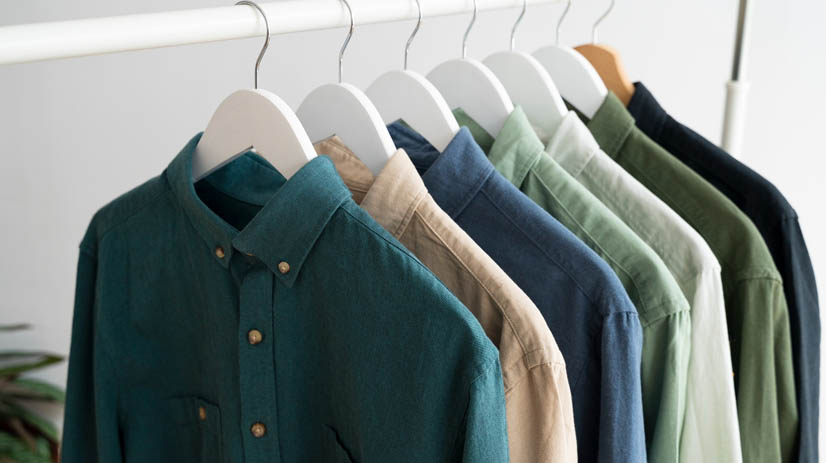
To build a sustainable capsule wardrobe, start by assessing your current closet. Look at the clothes you wear often and identify your personal style. This helps you avoid buying duplicates and prioritize future purchases. When selecting wardrobe essentials, focus on versatile pieces that can be mixed and matched. Choose classic items like a white button-down shirt, black pants, and a little black dress.
Opt for quality over quantity by investing in well-made garments that last longer. This reduces the need for frequent replacements and contributes to a more sustainable fashion industry. Consider incorporating second-hand and vintage pieces to add character to your wardrobe while reducing environmental impact.
Remember, a capsule wardrobe is about curating a collection of clothing that doesn’t go out of style quickly. By choosing timeless, high-quality pieces, you can create a versatile, eco-friendly wardrobe that reduces waste and maximizes style.
Creating a Capsule Wardrobe
Definition and benefits of a capsule wardrobe
A capsule wardrobe is a collection of essential, versatile clothing pieces that can be mixed and matched to create various outfits. This approach has numerous benefits, including less decision fatigue, saving money, and reducing your environmental impact. With a capsule wardrobe, you’ll spend less time shopping and more time enjoying your clothes, while also investing in higher-quality pieces that last longer.
Minimalist wardrobe essentials for every season
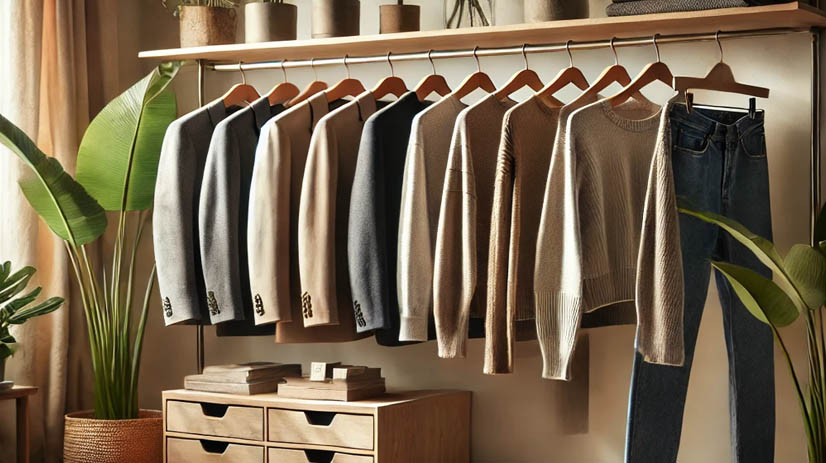
To build a versatile, eco-friendly wardrobe, focus on timeless pieces that work across seasons. Consider including items like a classic blazer, neutral trousers, a white button-down shirt, and straight-leg jeans. These essentials form the foundation of your capsule, allowing you to create multiple looks with fewer items.
Color palette selection for versatility
Choose a primarily neutral color palette for your capsule wardrobe to maximize mix-and-match potential. Include colors like black, navy, gray, and cream as your base. To add personality, incorporate one or two accent colors that complement your complexion and style. This approach ensures your wardrobe remains versatile while reflecting your unique taste.
Mix-and-match strategies for maximum outfits
To get the most out of your capsule wardrobe, focus on pieces that can be easily combined. Each item should pair well with at least three others in your collection. This strategy allows you to create numerous outfits from a limited number of pieces, reducing waste and maximizing style. Don’t be afraid to experiment with textures and patterns to add visual interest to your looks.
Key Pieces for a Sustainable Capsule Wardrobe
The environmental impact of fast fashion
You can’t go wrong with organic cotton t-shirts as a staple in your sustainable wardrobe. They’re perfect for layering or wearing on their own. Organic cotton is grown without synthetic pesticides or fertilizers, making it better for the environment and farmers. Brands like Pact offer fitted tees that taper at the waist, while MATE the Label uses GOTS-certified organic cotton for their Los Angeles-made shirts.
Eco-friendly Denim
When it comes to jeans, look for brands that prioritize sustainability. AG’s “Jean of Tomorrow” capsule uses a blend of organic cotton, lyocell, and hemp, with Tencel threads instead of metal rivets. Frame has introduced a Pure Denim collection made with 100% biodegradable organic cotton, using 98% less water in production compared to traditional processes. For a vintage-inspired look, check out Re/Done, which reworks vintage men’s denim for women’s bodies.
Sustainable Knitwear
Cozy, sustainable knitwear is essential for any capsule wardrobe. Brands like Babaa offer timeless styles made from 100% natural Spanish yarns and Italian organic wool. L’Envers creates simple, timeless designs from organic cotton and natural wool, knitted in small family-run workshops in Spain. For a more fashion-forward look, The Knotty Ones provides chunky textured knits while employing craftswomen who are paid fairly.
Ethical Footwear
Complete your sustainable capsule wardrobe with ethical footwear. Look for brands that use eco-friendly materials and prioritize fair labor practices. Chelsea boots from John Fluevog are a versatile option for casual wear. For summer, consider Saltwater sandals, which are durable and comfortable for city walking. Pons Avarcas offer a practical option for warm weather, especially when you’re on the go.
Maintaining and Evolving Your Capsule Wardrobe
Caring for Your Clothes
To maximize the lifespan of your capsule wardrobe, proper care is essential. Wash your clothes according to their care labels, using cold water and gentle detergents when possible. Air-drying is the gentlest option for most garments, helping to preserve their shape and quality. When storing your clothes, use padded hangers and fold delicate items to prevent stretching.
Proper care and cleaning of eco-friendly materials
For eco-friendly materials, consider using natural cleaning solutions. A mixture of baking soda, vinegar, and lemon can create an effective all-purpose cleaner. These ingredients have antibacterial properties and can help remove stubborn stains. For wool items, hand wash in cold water and lay flat to dry to maintain their shape.
Seasonal Updates
As seasons change, rotate your wardrobe accordingly. Store out-of-season clothes in labeled boxes or under-bed storage. When preparing for a new season, assess your current pieces and identify any gaps in your wardrobe. This approach helps you maintain a versatile, eco-friendly wardrobe that reduces waste and maximizes style.
Upcycling and Repurposing
Get creative with upcycling to breathe new life into your clothes. Transform old jeans into a skirt or turn a scarf into a summer cover-up. These projects not only extend the life of your clothes but also add unique, personalized pieces to your wardrobe.
Repairing and altering clothes to extend their life
Instead of discarding clothes with minor damages, learn basic sewing skills to fix loose buttons, hems, or small tears. For more complex alterations, consider visiting a local tailor. Remember, repairing an item can significantly extend its useful life, representing good value for the time taken.
Responsible disposal and recycling of clothes
When it’s time to part with clothes, do so responsibly. Donate wearable items to charity or consider recycling programs for textiles. Many brands now offer take-back programs for their products. By disposing of clothes thoughtfully, you’re contributing to a more sustainable fashion cycle.
The Future of Sustainable Fashion
Emerging technologies in eco-friendly fashion
You’ll be excited to know that technology is becoming a key ally in sustainable fashion. Innovative materials are leading the charge, with companies like Bolt Threads creating silk-like fabrics from renewable sources such as yeast and mycelium. Orange Fiber is transforming citrus waste into luxurious textiles, while Adidas and Stella McCartney are using recycled materials like plastic bottles and fishing nets in their collections.
Circular fashion and closed-loop systems
Circular fashion is revolutionizing the industry by keeping materials in circulation for as long as possible. This approach minimizes waste generation and conserves natural resources. By designing products for longevity, repairability, and recyclability, circular fashion ensures that the least amount of clothing ends up in landfills. To build a versatile, eco-friendly wardrobe that reduces waste and maximizes style, consider supporting brands that embrace closed-loop systems.
The role of consumers in driving sustainable practices
You have the power to influence the market and demand for sustainable fashion. By educating yourself on sustainable practices and supporting eco-friendly brands, you can make a significant impact. Consider upcycling, recycling, renting, and swapping clothes to reduce waste and promote circular fashion practices. Remember, your choices as a consumer can encourage fashion brands to adopt more sustainable approaches, creating a positive ripple effect throughout the industry.
Conclusion
Embracing a capsule wardrobe is a game-changer for sustainable fashion. It helps you build a versatile, eco-friendly collection that cuts down on waste and ups your style game. By focusing on timeless pieces, quality materials, and ethical brands, you’re not just dressing better – you’re making a positive impact on the environment and the fashion industry as a whole.
As you start your journey towards a more sustainable wardrobe, remember that small changes can lead to big results. Whether it’s investing in organic cotton tees, choosing recycled polyester, or upcycling old favorites, every choice counts. By taking care of your clothes, updating seasonally, and disposing responsibly, you’re not just creating a wardrobe – you’re joining a movement towards a more sustainable future in fashion.
FAQ Section
A: Sustainable fashion focuses on the environmental impact of clothing production and consumption, while ethical clothing emphasizes fair labor practices and social responsibility. However, these concepts often overlap in practice.
A: A typical capsule wardrobe contains 30-40 versatile pieces that can be mixed and matched. However, the exact number can vary based on personal needs and lifestyle.
A: While some sustainable brands may have higher price points due to ethical production practices and quality materials, there are affordable options available. Additionally, investing in durable, timeless pieces can be more cost-effective in the long run.
A: You can make your wardrobe more sustainable by properly caring for your clothes, repairing items when possible, upcycling old garments, and only purchasing new items that align with sustainable and ethical practices.
A: Begin by decluttering your current wardrobe, identifying your personal style, investing in versatile basics, choosing a cohesive color palette, and focusing on quality over quantity.