Elevate Your Mind: The Powerful Connection Between Exercise and Mental Health
by Kedar Mallick · 2 September 2024
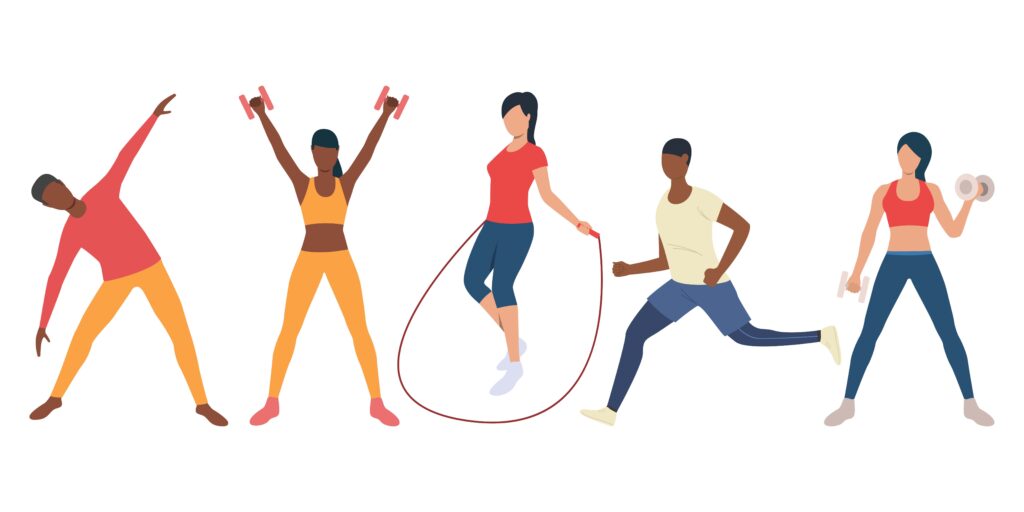
Elevate Your Mind: The Powerful Connection Between Exercise and Mental Health
Have you ever thought about why you feel so much better after a good workout? It’s not just about getting fit; it’s about feeling good in your head too. Science backs up the strong connection between exercise and mental health.
When you move your body, it has an amazing effect. It can make you happier, help you stress less, and even make your brain work better. Think of it as a natural way to lift your spirits, calm your nerves, and sharpen your mind all at once.
In this article, we’ll explore the science behind exercise and mental health. We’ll look into the benefits of physical activity to improve mood, to relieve stress, and to enhance cognitive function. We’ll also talk about different types of exercise that can have an impact on your mental health. Let’s begin!
The Science Behind Exercise and Mood
Unlocking the Power of Endorphins
Exercise has an influence on mood by triggering the release of endorphins. These natural substances, often called the “feel-good” hormones, can ease pain and lift your spirits. When you work out, your body sends endorphins into your blood, which leads to feelings of joy and contentment.
Neurotransmitters: The Key to Mental Well-being
Besides endorphins, exercise has an impact on other essential neurotransmitters linked to mental health. Two vital neurotransmitters, serotonin and dopamine, help control mood, feelings, and drive. Research shows that exercise boosts serotonin and dopamine levels, which leads to better mood and overall mental well-being.
Knowing the science that connects exercise and mood helps you grasp the strong link between physical activity and mental health.
The Benefits of Exercise for Mental Health
Stress Reduction: A Powerful Tool
Exercise has an impact on stress reduction, which stands out as one of its most recognized advantages. Your body releases endorphins and other chemicals to calm your nervous system when you work out. This can result in a drop in stress hormones such as cortisol, which play a role in causing feelings of anxiety and being overwhelmed.
Mood Enhancement: A Natural Boost
Working out has an impact on lifting your spirits and fighting off the blues. Getting active can boost the levels of feel-good chemicals in your brain that play a key part in controlling how you feel. By making physical activity a habit, you can give your mood a natural lift and enhance your overall mental health.
Cognitive Clarity: Sharpen Your Mind
Besides making you feel better and less stressed, exercise also has an impact on how well your brain works. People who work out often find it easier to remember things, stay focused, and solve problems. This happens because more blood goes to the brain and new brain cells form when you’re active.
When you learn about all the ways exercise can help your mental health, you start to see how much it can improve your life overall.
Types of Exercise for Mental Health
Cardiovascular Exercise: A Heartfelt Solution
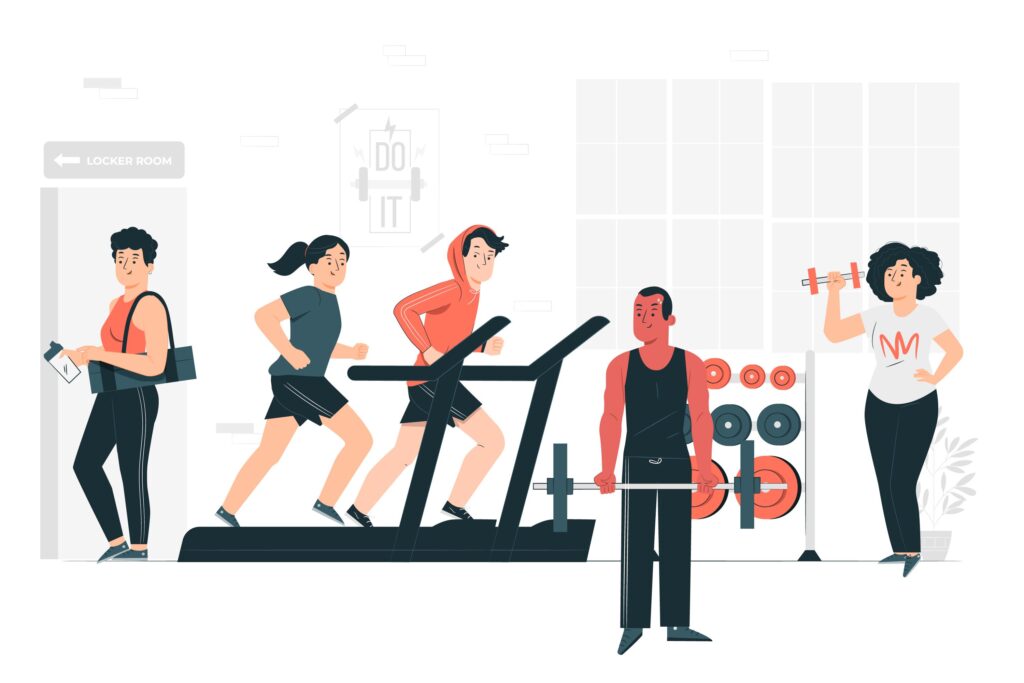
Cardiovascular exercise can boost your mood and has a positive effect on your mental health. When you run swim, or cycle, your heart rate increases and your overall fitness improves. This leads to more endorphin production and lifts your mood.
Strength Training: Build a Stronger Mind
Strength training also has an impact on mental health. Lifting weights or doing bodyweight exercises helps you build muscle and enhances your physical fitness. This boosts your self-esteem and confidence, which improves your mental well-being.
Mind-Body Exercises: Harmony in Motion
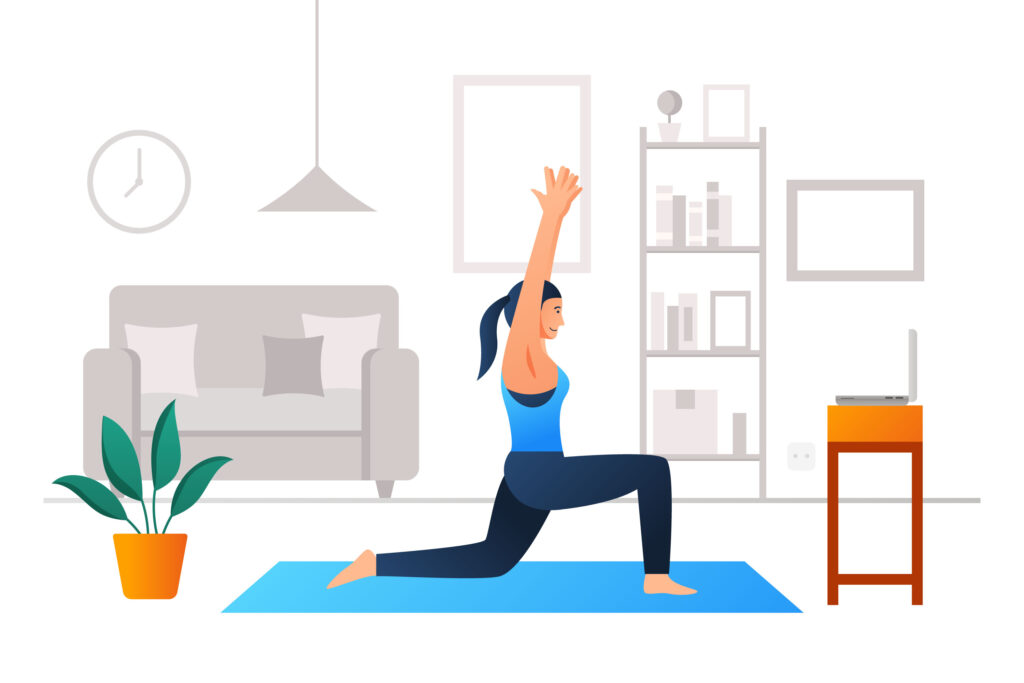
Mind-body exercises such as yoga, Pilates, and tai chi have a positive impact on mental health. These workouts blend physical activity with mental concentration helping to lower stress, boost mood, and increase body awareness.
When you mix different types of exercise into your schedule, you can get the most out of it for your mental health.
Tips for Incorporating Exercise into Your Routine
Setting Realistic Goals: A Step-by-Step Guide
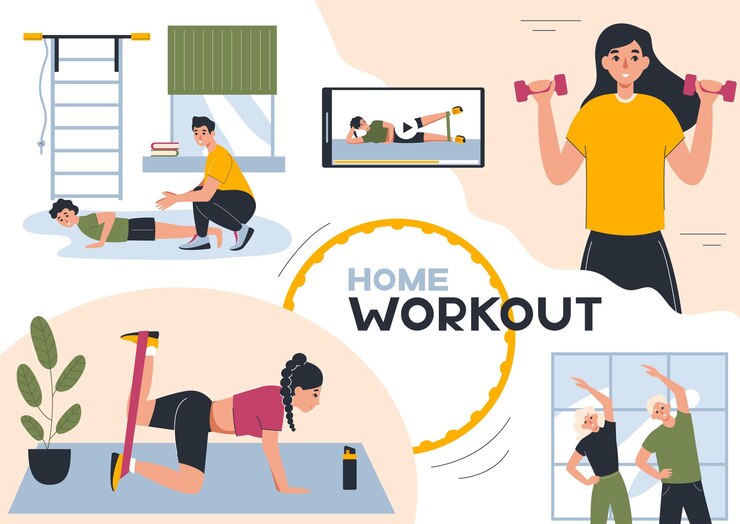
When you begin an exercise routine, you need to set realistic goals. Begin with small doable goals and ramp up how hard and long you work out as time goes on. This approach will keep you motivated and help you avoid burning out.
Inspirational Quotes
- “Your body is like a machine that needs regular upkeep. Working out is the best way to keep it in good shape.” – Unknown
- “Being happy comes from being healthy. Exercise plays a big part in this.” – Unknown
- “To stay young, you’ve got to keep learning and growing.” – Unknown
- “Don’t let worries about failing stop you from trying new things.” – Unknown
- “What you think you can do, your body can make happen.” – Unknown
To wrap up, exercise proves to be a potent means to boost mental health. Grasping the science that links exercise and mood allows you to value its numerous benefits. Physical activity has a significant influence on your overall well-being, from lowering stress and lifting mood to enhancing cognitive function.
Keep in mind, the secret to making exercise a part of your routine is to discover activities you like and that match your lifestyle. The crucial thing is to stay active, whether you prefer running, yoga, or just strolling in nature.
What’s holding you back? Get your body moving today and see how working out can have a big impact on your mental health. You’ll be amazed at the power of exercise to change how you feel.
FAQ Section
Frequently Asked Questions About Move Your Body, Boost Your Mood
A: Some people might feel better right away, but working out over time has the biggest impact on mental health.
A: Try to do at least 30 minutes of moderate exercise most days of the week.
A: Of course! Start small and make your workouts longer and harder.
A: Yes, exercise has an influence on reducing symptoms of anxiety and depression.
A: All types of physical activity can help mental health, but some people might enjoy or get more out of certain activities. Try different things to see what suits you best.