Stress Management Made Easy: Therapy and Nutrition for a Healthy Mind
by Kedar Mallick · 30 August 2024
Nourishing Your Mind: Stress Management Therapy and Nutrition
Have you ever felt like stress is getting the best of you? You’re not alone. We all go through it. But what if you could fight stress with more than just therapy? It turns out that what we eat has a big impact on our mental health.
In this article, we’ll look at the interesting link between stress management therapy and what we eat. We’ll talk about key nutrients, foods that lower stress, and easy ways to eat healthier every day.
Get set to learn how eating well can work with stress management therapy to help you live a calmer and more rewarding life.
Understanding Stress and Its Impact on the Body
Stress is a normal part of everyday life, but it can have a big effect on our physical and mental health. When we feel stressed, our bodies pump out hormones like cortisol, which can change our appetite, sleep, and overall health.
Stress and Nutrition:
The link between stress and nutrition is not simple. Long-term stress can cause bad eating habits, like eating because of emotions or skipping meals. This can mess up how our bodies take in key nutrients and keep a healthy diet.
Stress Management Therapy:
Stress management therapy, like cognitive-behavioral therapy or mindfulness-based stress reduction, can have a big impact on how people handle stress. These treatments help folks spot and question negative thinking, come up with ways to cope, and learn how to relax.
Essential Nutrients for Stress Management
When it comes to handling stress, what we eat has a big effect. Some foods can boost our body’s ability to deal with stress and improve our overall health.
Omega-3 Fatty Acids:
Omega-3 fatty acids are key nutrients that can cut down on inflammation and make our brains work better. They’ve been shown to have a good influence on mood and stress levels. You can find plenty of omega-3 fatty acids in oily fish like salmon, mackerel, and sardines. They’re also in flaxseeds, chia seeds, and walnuts.
Magnesium:
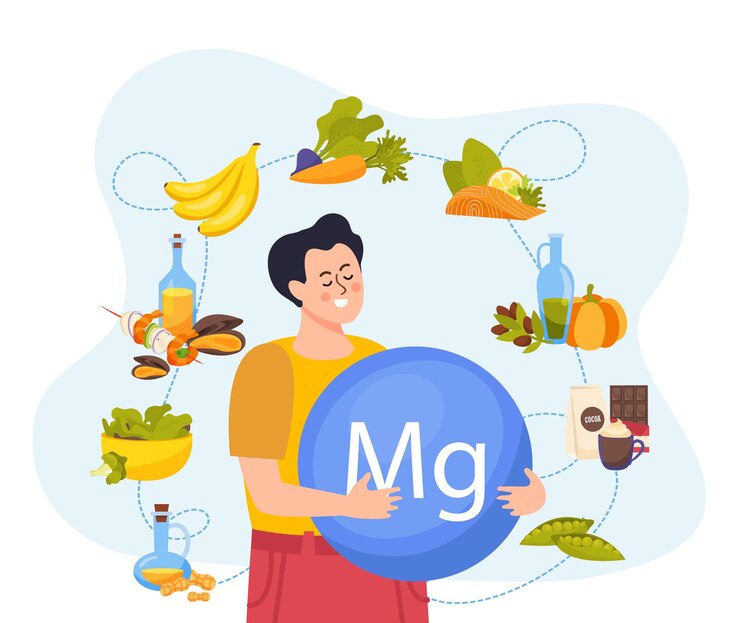
Magnesium plays a role in many body functions, including how we handle stress. It can boost your mood, loosen tight muscles, and help you sleep better. You can find magnesium in dark leafy greens, nuts, seeds, and whole grains.
B Vitamins:
B vitamins are key to making energy and keeping your brain healthy. They can ease stress symptoms like feeling tired and cranky. You can get B vitamins from whole grains, beans, meat, and foods with added vitamins.
Stress-Reducing Foods: A Nutritional Arsenal

Besides specific nutrients, some foods have an impact on stress management.
Fruits and Vegetables:
Fruits and vegetables contain antioxidants that protect our cells from stress-related damage. You’ll find plenty of antioxidants in berries, spinach, broccoli, and citrus fruits.
Whole Grains:
Whole grains give you long-lasting energy and help to control your blood sugar levels. This can cut down on mood swings linked to stress. Good choices include brown rice, quinoa, and whole-wheat bread.
Healthy Fats:
Good fats, like those in avocados, olive oil, and nuts, have an influence on brain health and cut down inflammation. They also help control hormones that play a role in how we react to stress.
Herbal Teas:
Some herbal teas such as chamomile, lavender, and valerian root, have a soothing effect that helps you relax and feel less stressed.
The Intersection of Stress Management Therapy and Nutrition
Nutrition can have an influence on stress management, but it works best when paired with stress management therapy.
Complementary Approaches:
Stress management therapy, like cognitive-behavioral therapy or mindfulness-based stress reduction, helps people to develop coping skills and lower stress levels. When paired with a healthy diet, these methods can create a powerful combination to improve overall well-being.
Case Studies:
Many individuals have discovered that using stress management techniques alongside a healthy diet has an impact on their ability to handle stress. For instance, someone with anxiety might benefit from mindfulness meditation and eating foods high in omega-3 fatty acids.
Working alongside a skilled healthcare expert allows people to create a tailored approach that combines stress management therapy with diet to tackle their unique concerns.
Practical Tips for Incorporating Stress-Reducing Foods into Your Diet
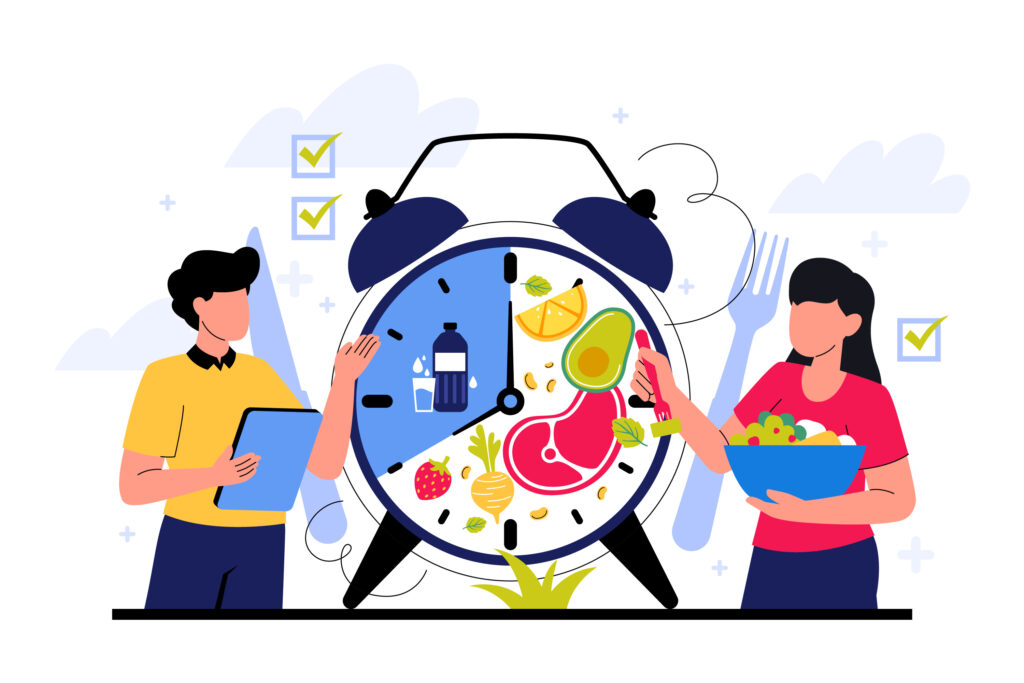
Picking healthy foods can be tough when you’re stressed out. Here are some handy tips to help you add foods that reduce stress to your diet:
Meal Planning and Preparation:
- Plan ahead: Take some time each week to plan your meals and snacks. This can help you make healthier choices and avoid quick decisions when you’re feeling stressed.
- Prepare meals in advance: Cook a big batch of healthy meals on the weekend and keep them in the fridge or freezer to reheat .
- Stock your pantry: Keep your pantry full of healthy ingredients like whole grains, beans, and canned fruits and veggies.
Mindful Eating:
- Listen to your body: Pay attention to when you’re hungry and full. Don’t eat if you’re not hungry, and stop when you feel satisfied.
- Eat : Take your time to enjoy each bite and appreciate the taste and feel of your food.
- Cut out distractions: Try to eat in a quiet calm place without TV or phones to disturb you.
If you follow these tips, you can make healthy eating a regular part of your life and cut down on stress.
To wrap up, stress management therapy and nutrition work together to boost overall well-being. When you add a healthy diet and stress management techniques to your daily routine, you can handle stress better and enhance your life quality.
Keep in mind, you should pay attention to your body’s signals, eat , and get expert help when you need it. By taking a complete approach to stress management, you can discover calm and equilibrium in your life.
Let’s feed our minds and bodies to enjoy happier healthier lives.
FAQ
A: A healthy diet helps manage stress, but it works better when you use it with other ways to handle stress.
A: People often eat because of their emotions, eat too much, or avoid food .
A: You can ask your doctor or look for therapists near you.
A: Supplements might help, but you should talk to a doctor before you start taking any new ones.
A: To cut down on job stress, you can try managing your time better, setting clear limits, and making your well-being a top priority.